
Robotic Vs Traditional Knee Replacement Surgery
Robotic Knee Replacement Vs Traditional
Robotics Joint Replacement (Knee and Hip replacement) is right now here to stay. Many people think that it is a futuristic goal, but it is right now here at Sunshine Hospitals, Hyderabad.
Procedures like knee and hip replacements require precise and dextrous movements to assist Orthopedic surgeons to perform these procedures with great accuracy and perfection. The use of robotic arms is immensely beneficial for orthopedic surgeons who specialize in robotic orthopedic surgery to achieve exceptional clinical outcomes.
If you have heard of robotics in Orthopaedics for the first time, then don’t feel hesitant. Prior to zeroing in on traditional knee replacement or hip replacement learn more about “Robotic Joint Replacement”.
Better Patient Outcomes
When compared to traditional knee replacement surgery, robotic-arm assisted knee replacement allows the patients to recover faster with minimum risk of post-surgical complications. The rehabilitation time for patients recovering post-surgically is also quite less compared with a traditional knee replacement. The use of robotics helps in better planning and effective removal of the parts of diseased bones and cartilages. This will help in improving the recovery time of patients. Faster recovery, zero percent post-surgical infections, and no readmissions in the absence of complications can dramatically improve recovery time and lower long-term costs.
Robotic Knee Replacement Vs Traditional
Long-term Costs after Recovery are Lower
If a person recovers faster – he or will feel better and healthy and resume his or her activities, work, and earning money faster. Minimally invasive precise robotic procedures mean no risk of infection and faster recovery.
Quicker recovery means lesser visits to the hospital and lesser long-term costs.
Should I Prefer Robotic Joint replacement?
When expert orthopedic surgeon talks about Robotic Joint Replacement Surgery to their patients, they feel a bit hesitant. They wonder whether they should opt for it. They are a bit skeptical about the new surgical techniques and processes involved. But the truth is quite different as the success rate of robotic joint replacement surgery is around 99.99 percent with many benefits for the patients.
Learn more about the “BENEFITS OF ROBOTIC ORTHOPEDIC SURGERY”
DO YOU KNOW?
Robotics is revolutionizing orthopedics.
The precision and success are astonishing (99.99%)
Orthopedic surgeons are able to perform even complicated knee and hip replacements quite diligently
For accurate, perfectly aligned, and precise “robotic knee replacement in Hyderabad”
Sunshine hospitals’ robotic department is the best…
Meet Dr. Prasharma Mulpur – the gold medallist orthopedic surgeon in Hyderabad – who is also an experienced and expert MAKO certified robotic joint replacement surgeon”

Neck Pain Causes, Symptoms, and Prevention
Your neck is made up of vertebrae. Muscles, ligaments, and other soft tissues support the neck and allow for motion. Many people get neck pain due to muscle strain, poor posture, overuse, or sleeping in an awkward position. Contact sports injuries, whiplash, and falls can also cause neck pain. In general, neck pain is a common complaint – whatever may be the cause.
Neck Pain Causes
Osteoarthritis – The cartilage between the bones (vertebrae) of the spine deteriorates. This mostly happens with age. As you age your cartilage and bones tend to become weak and are subject to everyday wear and tear. Osteoarthritis is one such factor that causes the destruction of the cushions (cartilage) between your vertebrae. This may partly happen with your age, lifestyle, and overuse.
Nerve Compression
Spinal nerves that branch out from the spinal cord can get compressed due to the formation of bone spurs or herniated disks. This can happen in the neck region and cause neck pain.
Strained Muscles
Neck muscles may become stiff and undergo tremendous pressure if you use them excessively. Excess hours spend on smartphones and computer desks often trigger muscle strains. Abnormal posture without any consideration to work desk ergonomics can also strain your neck muscles causing severe neck pain.
Neck Pain Causes – Collision and Injuries
An injury to the neck (the cervical vertebrae) resulting from rapid acceleration or deceleration (as in an automobile accident) can cause severe neck pain. When a rear-end collision occurs in an automobile in which you are sitting, your head is jerked backward and then forward. This type of impact strains the soft muscles of the neck causing severe neck pain.
How to Prevent Neck Pain?
If you have nagging neck pain, then ensure that your posture is proper while you carry out any task related to the neck – for instance, reading, writing, or doing work on your desk. Proper ergonomics play an important role in preventing neck pain.
In a majority of the cases, neck pain is associated with undue straining of neck muscles with improper posture and age-related wear and tear. Remember this general rule of thumb to prevent your neck pain:
Always keep your head centered over your spine.
Avoid Tucking the Phone
Don’t use your phone if you cannot hold it with your hands – for instance, while you are driving. If you get frequent calls, then use a speaker phone or headset or hand-free modes – whichever is feasible.
Avoid hunching over your work desk while using a computer screen and keyboard for work. Set proper work-desk ergonomics.
Avoid Carrying Heavy Loads
Don’t carry a heavy load on your back with bands getting the support from your shoulder. This will strain your neck muscles and cause neck pain.
If you carry heavy bags with shoulder straps then avoid using them.
Ensure proper sleeping position if you are prone to neck pain. While sleeping on the side ensure that a pillow is there under your neck with proper head and neck alignment.
Body ergonomics
Ensure that you always maintain proper posture – while sitting on the computer desk, while sitting anywhere, and standing.
Computer Desk Adjustments
Make adjustments to your computer desk, computer, and chair – Use a chair with an armrest, Adjust the computer monitor to eye level; Use the armrest of the chair to adjust your spine position. Keep your knees position slightly lower than your hips.
Bottom Line
Neck Pain Causes: Most neck pain improves gradually with home treatment. If not, see your doctor.
Less severe – Mild to moderate neck pain can improve on its own with proper home care and doctor’s treatment. However, if neck pain doesn’t improve with home care measures, then seek specialist medical care. In rare cases, neck pain can also be due to a very serious health issue – especially if it is associated with other health issues. Contact your Orthopedic doctor immediately if you start experiencing neck pain after a motor vehicle accident, injury or fall.
Contact your orthopedic doctor if your neck pain is severe. If your neck pain doesn’t improve even after several days and it is accompanied by numbness, headache, tingling sensation, and weakness in the arms and spreads down to the legs, consult your orthopedic doctor immediately.
Hip Pain – Causes, Symptoms, Diagnosis & Treatment
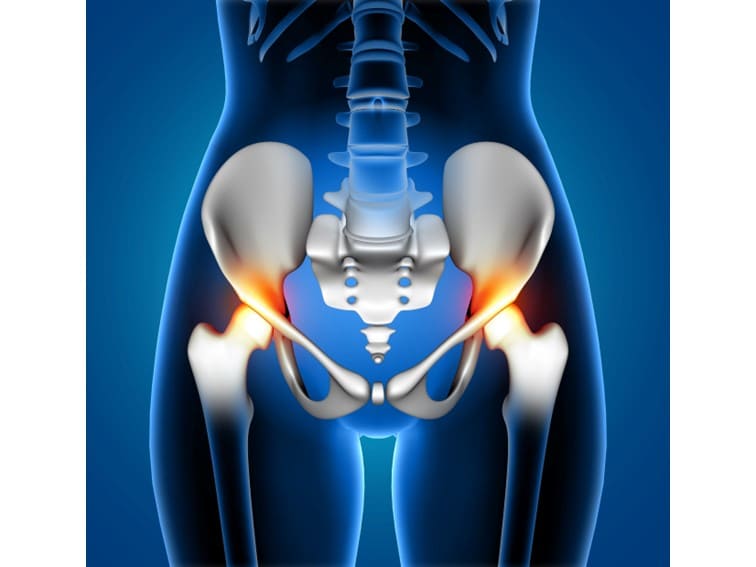
Hip pain causes: The Hip joint is a ball-and-socket joint. It is your body’s largest joint, and therefore, subjected to a huge amount of wear and tear. It withstands repeated and regular movements.
Hip Pain Symptoms
Hip Pain: It is often felt in and around the hip joint. The pain is not confined to the hip itself as it radiates to the groin and is also felt in the thigh. Hip pain is a common complaint.
Knowing the exact location of the pain is important because a wide range of health conditions can cause hip pain.
The type of hip pain, location, and severity give valuable information about the underlying cause.
In general, your hip pain can be due to problems with the ligaments, muscles, tendons, bones, and soft tissues that surround your hip joint. You feel hip pain on the inside or outside of your hip on the outer buttock or upper thigh.
Problems with your hip joint cause pain in the groin, down the front of the legs, and in the knees
Radiated or Referred Hip Pain: In some cases, knee pain is the only prominent sign of hip problems.Doctors call this type of pain radiated or referred hip pain.
This is a very common type of hip pain. Sometimes, the pain you feel in your buttocks and outside of your hip can be caused by problems in your lower back.
Any condition disease or disorder in other parts of the body can cause hip pain. For instance, lower back pain can cause hip pain (referred pain). This is seen in sciatica.
Hip Pain Causes
Cushion-like cartilage acts as a shock absorber and prevents friction when you move your hip bones within the socket. In general, aging, regular use, and excessive stress can gradually wear down and damage the cartilage between the hip bones. Similarly, excessive use can strain the soft tissues, including the ligaments, tendons, and muscles. A hip injury and falls can break a hip bone. If you have any of these conditions, you may experience hip pain.
Short-term and long-term Hip Pain
Hip pain causes: Overuse or exertion can cause short-term hip pain due to strained or inflamed soft tissues – tendons, ligaments, and muscles. However, specific health conditions such as osteoarthritis and rheumatoid arthritis can cause long-term hip pain.
Hip Pain Causes
- Osteoarthritis
- Sciatica (pinched nerve condition)
- Sacroiliitis (pinched nerve)
- Juvenile rheumatoid arthritis (juvenile idiopathic arthritis)
- Rheumatoid arthritis and septic arthritis
- Tendinitis, Sprains
- Hip fracture, Bursitis and hip labral tear
- Osteoporosis
- Osteomyelitis (bone infection)
- Avascular necrosis (Osteonecrosis)
- Synovitis
Diagnosis of Hip Pain
For the diagnosis of hip pain and to accurately determine the cause of your hip pain, your orthopedic doctor will order a few blood tests and imaging tests such as X-rays. To know finer details and views of the internal structure of your hip joint, your doctor may also recommend ultrasound or CT scans.
Hip Pain Treatment – How to get relief from Hip Pain?
Over-the-counter medications offer help in relieving hip pain caused by tendinitis or osteoarthritis.
If you have rheumatoid arthritis, then prescription medicines including anti-inflammatory medicines and corticosteroids can help.
Taking rest and warm water bath and application of cold and warm compressors can also help in relieving pain.
Low-impact exercises and stretching can improve mobility. Physical therapy can also improve a wide range of motions.
Hip fractures need surgery to fix. In other cases, wherein hip pain doesn’t improve after a week’s time or lasts longer than a week, then you must see your Orthopedic doctor, and they will come out with a pain management plan to treat your condition.
When is hip replacement surgery recommended?
In some cases, osteoarthritis becomes very severe.
When the hip joint becomes completely deformed due to osteoarthritis, hip replacement may be recommended.
When should you see an Orthopedic Doctor for hip pain?
If you experience severe hip pain along with swelling, redness, or warmth around the hip joint, seek medical attention. In addition, an orthopedic doctor can evaluate the underlying cause and recommend appropriate treatment.
If you experience sudden hip pain or joint pain after a fall or injury or if your joint looks deformed, then you must see an Orthopedic doctor immediately.
If you hear a popping sound in your joint or you cannot move your hip joint or put weight on your joint or if your hip pain becomes severe, fix an appointment with Dr. Praharsha Mulpur.
Shoulder Pain Causes, Symptoms, and Treatment
Shoulder pain causes
The shoulder joint allows a wide range of motion in the arm. It is the most movable joint in your body. Muscles and tendons together known as rotator cuff allow the shoulder to move in a wide range of motions.
Rotator Cuff Muscles
The rotator cuff consists of four muscles and their tendons, which help keep the upper arm bone securely in the shoulder socket.
These muscles help in a wide range of motion and stability.
Bones of the Shoulder Joint
The shoulder joint has three bones: the humerus (upper arm bone), scapula (shoulder blade), and clavicle (collarbone). In the shoulder blade, a rounded socket takes the head of the upper arm bone. The socket is known as the glenoid socket. Tendons and muscles (rotator cuff) keep arm bone centered in the glenoid socket.
Shoulder Pain
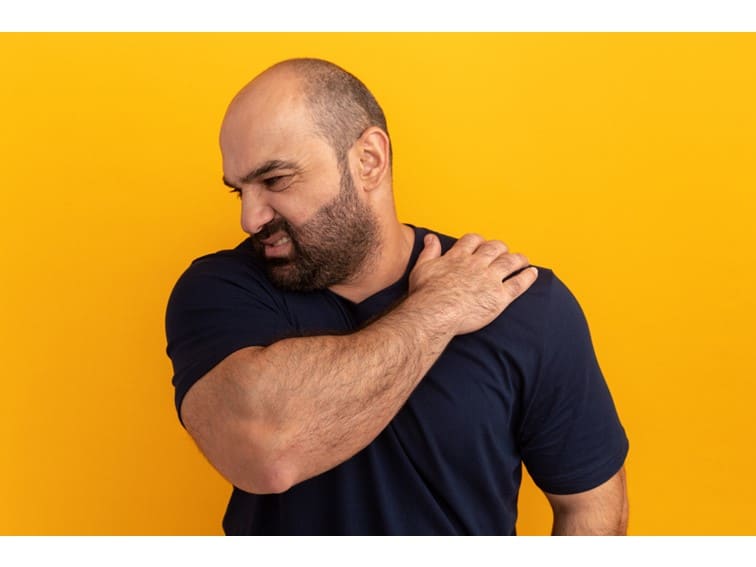
Shoulder pain can be temporary or may be present all the time. You can feel pain when you lift your arm above the head or move it behind or forward. You feel shoulder pain when you move your shoulder. Chronic shoulder pain requires accurate diagnosis and prompt treatment.
Shoulder Pain Causes
Tendinitis
Doctors call tendon inflammation (a cord that attaches muscle to bone) tendinitis.
It is of two types: Acute – excessive involvement in activities, sports, or works that put pressure and strain on the shoulder joint can cause acute tendinitis; Chronic tendinitis: progressive damage to the tendons due to repetitive wear and tear or arthritis and other degenerative conditions of the shoulder joint can lead to chronic tendinitis.
Bursitis
The shoulder joint has small fluid-filled sacs called Bursae. They act like shock absorbers or cushions between the bones and cartilages and soft tissues. Bursae help in reducing friction between the shoulder bone and gliding muscles.
They are present in joints throughout the body. Sometimes, overuse and excessive strain on the shoulder joint may lead to swelling and inflammation of the bursa. This may cause shoulder pain.
Both rotator cuff tendinitis and bursitis often occur together. This happens when several tissues become involved, causing pain and inflammation. When this occurs, even simple day-to-day activities such as getting dressed or combing your hair can become difficult.
Arthritis
Osteoarthritis is the most common type of arthritis in the shoulder joint that causes inflammation and pain. It is the wear and tear type of arthritis common during middle-age years. The symptoms such as joint stiffness, pain, and swelling begin during middle age and progress gradually. The symptoms worsen over a period of time.
Other types of arthritis, in general, can be due to inflammation, an infection, rotator cuff tear, work-related injury or chronic wear and tear. People with arthritis tend to avoid shoulder movement. This will lead to stiffness and tightening of the joint with a painful limitation of motion.
Shoulder Instability
Shoulder dislocations cause instability when the upper arm bone moves out of the shoulder socket. When the ball of the upper arm bone moves only partially out of the socket, doctors call the injury a subluxation.
In a complete dislocation, the ball comes out of the socket completely. Shoulder instability results from overuse or sudden injury.
The risk of repeated dislocations increases if muscles, tendons, and ligaments are torn or turn loose. When you raise your arm above, you will feel pain and unsteadiness in your shoulder joint.
Tendon Tears
Tendons tears partially or completely due to a sudden injury, wear and tear, excessive usage, and advancing age. Long-term degenerative changes in the tendons can also result due to aging and overuse.
Fractures
Fractures commonly occur in the shoulder blade (scapula), clavicle (collarbone), and upper arm bone (humerus). In young people, fractures are often caused by sports, high-impact sports or activities, and severe blows. In elderly people, shoulder fractures result from falls. Fractures often cause severe pain, swelling, and bruising on the shoulder.
Diagnosis
Your Orthopedic doctor evaluates the cause of shoulder pain by taking into account your thorough medical history. The information about the nature of pain, the activities you do and a detailed medical history can be a valuable tool in determining the source of your pain. The doctor will look for muscle weakness, instability, deformity, swelling, or physical abnormality. Your Orthopedic doctor will also check for the range of motions and strength of your joint. Next, an X-ray, MRI, or Ct may be ordered.
Treatment
The treatment may involve lifestyle changes – mostly changes in activities and physiotherapy sessions with special flexibility and strengthening exercises. Doctors will also instruct patients to avoid overexertion or overindulgence in activities that cause shoulder pain. In most cases, restraining oneself from overuse can help prevent shoulder injury and pain. Your doctor may also prescribe inflammation and pain-relieving medications and steroid injections. However, if rest, avoiding activities that cause pain, altering activities, exercise and medications do not offer relief, then surgery may be recommended.
Meet Dr. Praharsha Mulpur to know which treatment works best for your shoulder pain. Never delay in approaching an Orthopedic doctor if you experience shoulder pain. Shoulder pain causes can be many, but nailing down the exact cause can be a bit tricky for you. Therefore, leave it to an expert.
Lateral Epicondylitis (Tennis Elbow)
Tennis elbow treatment in Hyderabad | Dr. Praharsha Mulpur
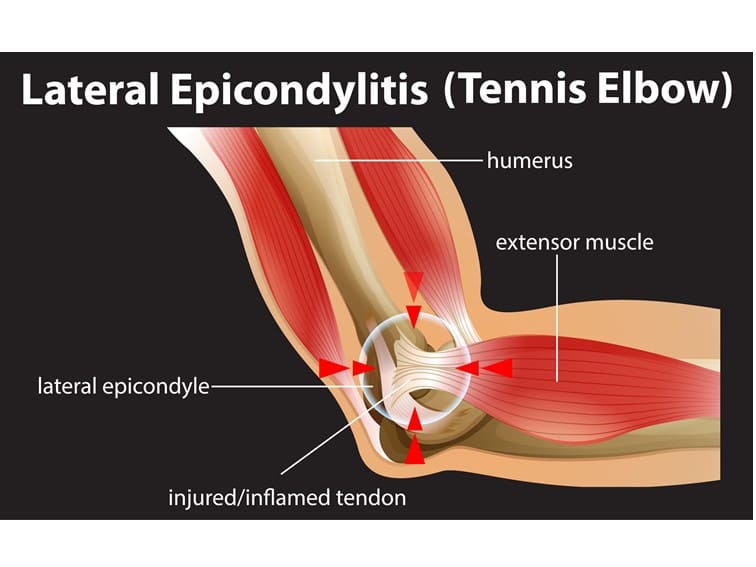
Lateral epicondylitis or tennis elbow is an inflammation or a painful condition of the elbow. Overuse and repeating the same motions, again and again, can damage the tendons and the forearm muscles over a period of time. The bony bump on the outside (lateral side) of the elbow is called the lateral epicondyle. Repeated hand movements can cause tiny tears in the tendons that connect the forearm muscles to the elbow and trigger inflammation. These tendons include the extensors, particularly the extensor carpi radialis brevis (ECRB). As a result, people with this condition may experience pain and tenderness on the outside of the elbow. In particular, tennis players and people who participate in other racquet sports commonly develop this condition. Surprisingly, other activities and sports that involve repeated hand movements can also put a person at risk.
What is the prominent cause of tennis elbow?
Damage to a specific forearm muscle called ECRB causes tennis elbow. This mostly happens in tennis. Microscopic tears form due to overuse and weakness in the tendons where the muscle attaches to the lateral epicondyle. This leads to pain and inflammation. When the elbow moves repeatedly, the ERCB muscle undergoes wear and tear over time. Thus, it is prone to damage.
Who are at risk of developing tennis elbow?
People who are involved in vigorous and repetitive use of the forearm and extension of the hand and wrist may develop tennis elbow.
Many people think that this condition develops only in those who play tennis. On the contrary, people who involve in recreational activities or work also develop tennis elbow. Such activities require vigorous and repetitive use of forearm muscles. People who involve in the following works more often get tennis elbow: cooking, auto works, carpentry, plumbing, butchering, and painting work. These professions require lifting weights and repetitive work that lead to injury, inflammation, and pain.
In racquet sports like tennis, improper stroke technique and improper equipment may be risk factors.
Sometimes, tennis elbow can occur due to an unknown or idiopathic cause.
Age
It is not a major risk factor as anyone can get a tennis elbow irrespective of age. However, tennis elbow is more common between ages 30 and 50 years.
Lateral Epicondylitis (Tennis Elbow) Diagnosis
Your orthopedic doctor takes into account several factors including your profession and day-to-day activities. The doctor may ask you about your symptoms, occupational risks, and other recreational activities.
You should tell your doctor about any recent injury to your elbow or the activities that are causing the symptoms. If you have a nerve injury or rheumatoid arthritis, inform your doctor.
Tennis Elbow Test
During a physical examination, your doctor may ask you to straighten your wrist and fingers by fully straightening your arm to see whether this causes pain. If you feel pain, then this may indicate that your muscles have become weak.
Tennis Elbow X-ray & MRI: Your doctor may recommend determining the extent of damage in the tendon and muscle and ruling out other injuries. Electromyography (EMG) may be ordered to rule out nerve compression and nerve injuries.
Tennis Elbow Treatment in Hyderabad at Sunshine Hospitals
Tennis Elbow Physiotherapy
Your physiotherapist may suggest exercises to strengthen your forearm muscles. To improve muscle healing, the therapist may perform, ice massage and muscle-stimulating techniques.
Your orthopedic doctor may recommend special braces to cover the back of your forearm and give steroid injections to relieve pain and inflammation if it is severe.
Shock wave therapy
Extracorporeal shock wave therapy: A device sends sound waves to the affected elbow to create microtrauma. This is done to promote the body’s natural healing process. Some experts believe this therapy to be effective, but others consider it experimental.
Surgery for Lateral epicondylitis tennis elbow
There are many treatment options for tennis elbow. In most cases, treatment involves a team approach. A general physician, sports medicine expert, or a physical therapist may take care if you have mild symptoms. However, in some cases, an orthopedic surgeon operates to provide the most effective relief from symptoms.
If symptoms don’t respond to non-surgical treatments for up to a few months, your orthopedic doctor may recommend surgery. An orthopedic surgeon considers several factors – such as your overall health, personal needs, and the extent of injury, and then discusses the surgical options including arthroscopic surgery. If you have been suffering from nagging symptoms for a long, then meet Dr. Praharsha Mulpur for the best Tennis elbow treatment in Hyderabad.
