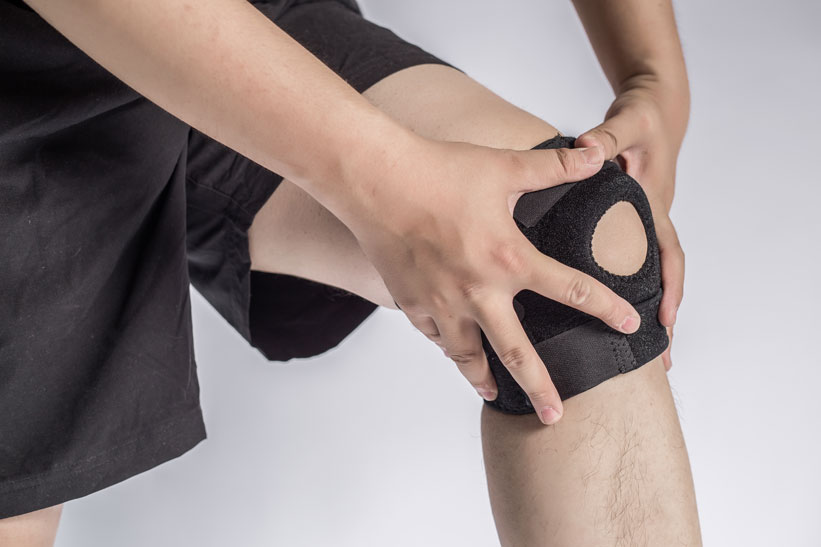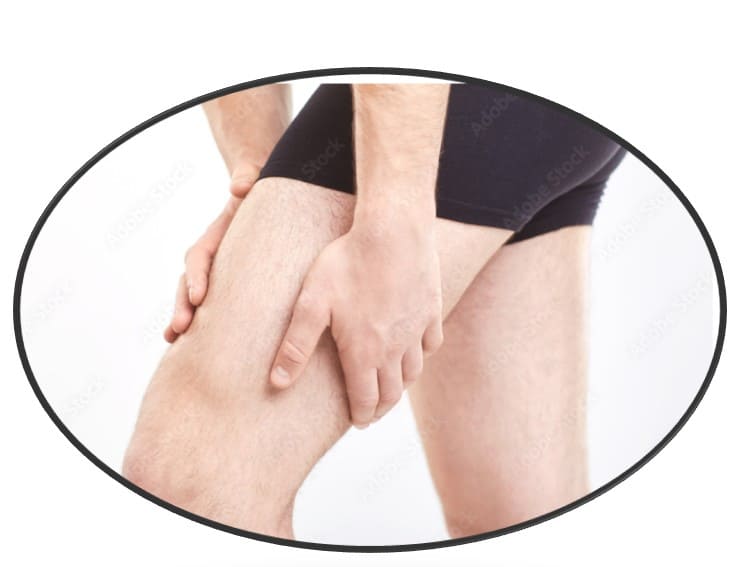
Hamstring Injury – Causes, Symptoms & Treatment
Hamstring injury Treatment | Dr. Praharsha Mulpur
A group of muscles at the back of the thigh belongs to the hamstring muscle group: there are three muscles in it: semitendinosus; semimembranosus and biceps femoris. These muscles help in extending the leg and bending the knees. Muscle strain or pulled hamstring or hamstring injury is an injury to one or more of these muscles at the back of the thigh. It happens when the muscles are overloaded or overstretched. Depending on the injury the muscles can tear partially or completely.
Hamstring injury is most common in athletes – particularly in those who play basketball, soccer and participate in sprinting – such as track. A strain or pulled hamstring can be a pull, injury, a partial tear, or a complete tear of muscles at the back of the thigh. The most common type of injury is pulled hamstring which commonly occurs in athletes. In many cases, hamstring injury occurs in the muscle belly (the thick, central part of the muscle) or the point where tendon fibers join the muscle fibers. In a severe type of hamstring injury known as avulsion injury, the tendon tears completely away from the bone.
What are the grades of a Hamstring Injury?
A hamstring injury or muscle strains’ grades are defined based on the severity.
Grade 1 is a mild strain or muscle pull (heals readily).
Grade 2 is a partial muscle tear with somewhat more pain than grade 1 strain. The person with this type of strain will feel weak and is more likely to limp.
Grade 3 is a complete muscle tear (this type of injury takes months to heal). A person with this type of strain hears a popping sound at the time of injury and the thigh becomes extremely painful.
Causes of a Hamstring Injury
The most common cause of hamstring injury is overstretching, which occurs when the muscle stretches beyond its normal capacity.
The other possible reasons for muscles strain include the following:
-
Muscle overload (when a sudden load challenges the muscle)
-
Extremely hard training resulting in muscle fatigue
-
Insufficient warming up
-
Inadequate pre-conditioning program
-
Previous hamstring injury
- A direct blow to your thigh
Hamstring Injury Symptoms
A sudden jerking pulls on the tissues of the hamstring muscle. A person who has hamstring injury experiences a sharp, sudden pain with a popping or tearing sensation in the back of the thigh. In addition, the person also feels muscle weakness or an inability to put weight on the affected leg. The injured person may also feel or hear a popping or tearing sensation. There is a variation in the intensity of the pain. The person having pulled the hamstring cannot continue the activity and often cannot even stand. Along with muscle weakness, discoloration or bruising may appear. Tenderness and swelling may also develop usually within a few hours.
Muscle spasms, tenderness, and tightness are associated with a hamstring injury. In case of a severe injury, physical examination reveals swelling, inflammation, blue, black, or bruised appearance. Orthopedic doctors also detect injury, in some cases, by touching a palpable defect in the muscle. Muscle strains and tears most commonly occur in the middle of the back of the thigh or at the base of the buttock.
Diagnosis of Hamstring Injury
An Orthopedic surgeon, first of all, check the thigh for tenderness, swelling, and bruising. It will help the doctor decide whether the injury is mild or severe. The doctor may also order an ultrasound or MRI to determine the extent of muscle injury.
Hamstring Injury Treatment
The treatment largely depends on the extent and grade of injury. In most sports injuries, the first line of treatment is RICE Method. However, for a severe grade III injury surgery may be recommended to remain the torn muscles. The acronym RICE stands for Rest, Ice, Compression, and Elevation.
Bottom Line
Hamstring muscle injury is a common athletic injury. A majority of Orthopedic surgeons specialize in injury evaluation and Hamstring Injury treatment. Tendons and muscles injured during a hamstring injury heal without surgery. However, grade 3 injuries require surgery to repair the injured muscles. Regular stretching and exercises and warm-up before activities can help reduce the risk of hamstring injuries.
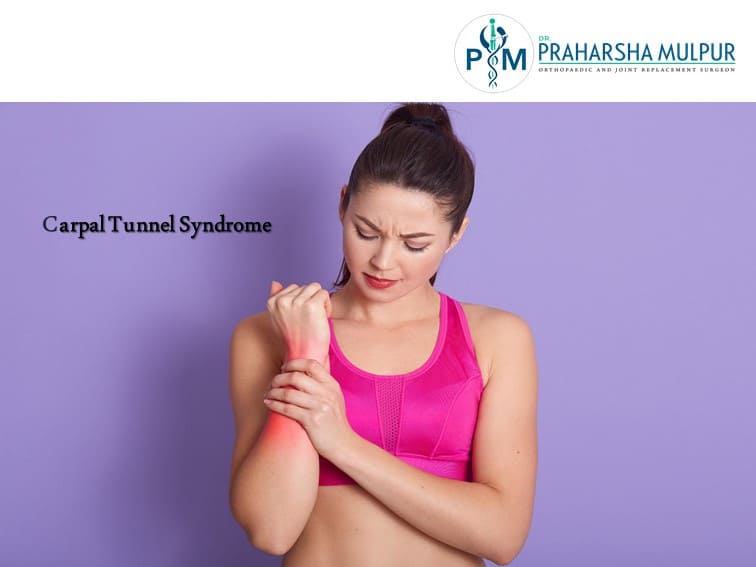
Carpal Tunnel Syndrome – Causes, Symptoms, and Treatment
Carpal Tunnel Syndrome: There is an area in the wrist from where the median nerve enters the hand. It is known as carpal tunnel. It is usually a narrow tunnel. The median nerve provides movement and feeling to the parts of the hand including the thumb, the palm, the thumb side of the ring finger, the middle finger, and the index finger. When there is an excess pressure on this nerve or swelling that pinches the nerve – it may lead to pain, weakness, tingling sensation, numbness, or muscle damage in the hand and fingers. Doctors call this condition carpal tunnel syndrome. It is a painful and progressive condition.
Carpal Tunnel Syndrome Symptoms
- Numbness in the palm of the hand
- Pain and weakness in the hand
- Tingling sensation
- Numbness in the fingers especially the index finger and thumb
- Itching, burning or tingling sensation
Symptoms manifest slowly and progress gradually. They often occur during the night or after waking up in the morning. People who have this condition shake their hands out when they wake up. In severe cases, sleep problems can repeatedly disturb you during the night.
Initially, the symptoms develop in the thumb and the two fingers next to the thumb. Gradually the symptoms may extend to the palm, hand, and forearm.
Carpal Tunnel Syndrome Causes
Many people worry that numbness, tingling, and wrist problems always result from repetitive movements during sports, playing musical instruments, typing, using a computer or mouse, or performing repetitive hand movements at work. However, there is a possibility of developing Carpal tunnel syndrome by making use of the same hand and wrist motion over and over. Studies have mixed findings that these activities can cause Carpal Tunnel Syndrome. But the narrowing of the carpal tunnel due to bursitis or tendinitis in the hand can lead to the symptoms owing to these activities.
There is also a possibility of developing this syndrome if people use hand tools that vibrate. In some cases, people who are born with a small carpal tunnel may develop this condition.
Women are more prone to this condition compared to men. Carpal Tunnel Syndrome commonly affects people between 30 and 60 years of age.
The prevalence of this condition increases with age. The following factors may also lead to carpal tunnel syndrome:
- Obesity
- Infections
- Alcohol Use
- Arthritis of the wrist and bone fractures
- Tumour or cyst that grows in the wrist
- Rheumatoid Arthritis
- Women during pregnancy or after menopause are prone to this condition. This happens when their body keep extra fluid.
- Amyloidosis – This is the condition in which body deposits abnormal protein.
What happens when Carpal Tunnel Syndrome is left untreated?
If carpal tunnel is left untreated, muscles at the base of the thumb become sore and do not work properly. The person having this issue gradually loses sensitivity to cold and hot while using thumb and finger. Pain, burning, and tingling sensation become worse when the person uses the affected hand or when the hand or arm is held in the same position for long. Progression of the condition leads to loss of grasping and gripping strength and persistence of symptoms throughout the day. The affected individual at first finds it hard to fist or grasp small objects. And also, typing, working with a laptop, doing up buttons, and opening lids of cans or bottles become a challenge.
Self-Care Tips
Mild symptoms can improve with lifestyle changes. For instance, by managing the triggers. Taking rest during repetitive hand movements gives time for the wrist and hand to rest and recover. If symptoms flare up intermittently, then resting the hand and wrist help in relieving symptoms. Taking the help from an occupational therapist works – they teach how to do repetitive work. Using wrist sprints can also help – but one should talk to their doctor about their apt usage.
The above tips may help when the symptoms are mild
Carpal Tunnel Syndrome Treatment in Hyderabad
To address the underlying inflammatory conditions, non-steroidal anti-inflammatory drugs (NSAIDs) such as ibuprofen or aspirin are useful. They help in relieving short-term pain. Botox injections and exercise are the other options. In some cases, mixed therapies involving, drugs, exercise, yoga, and occupational therapy may be beneficial.
Medication and other therapies – doctors may prescribe corticosteroid injections. However, they are not advisable in the long run or when symptoms return – owing to the adverse effects of using steroids.
If symptoms last for more than six months and become chronic, surgery is recommended.
Simple Yet Powerful Ways to Keep Your Joints Healthy
How to keep your joints healthy
When your joints are healthy and strong you can move freely and enjoy your life. You can turn, twist, jump, move and walk without having any sort of trouble. This is all because your joints are healthy. However, when you age, it is quite natural that your body goes through wear and tear – there is no exception to your joints unless you don’t proactively keep them healthy. As long as you move smoothly, your joints are healthy. Therefore, to keep your joints healthy you should set a goal to reduce wear and tear as much as possible.
Healthy Joints Avert Joint Replacements
Remember! If you keep your joints healthy, you can minimize the early onset of degenerative joint conditions – such as arthritis – and the pain and inflammation associated with it. You can even prevent joint replacement surgeries – such as Kee replacement and Hip replacement.
How to keep your joints healthy
Dr. Praharsha Mulpur recommends, the following 3-way approach to taking care of your joints:
- No matter what continue moving (don’t remain sedentary) or confined to your desk for hours together without moving. Take intermittent breaks and move around. It doesn’t matter even if you are working from home.
- Do the right exercise the one that reducing the load on the joints and helps in stretching your core muscles.
- Don’t forget to correct your posture while sitting, standing, working, exercising and moving. This helps in reducing pressure on your joints. For instance, not wearing proper footwear can lead to hip and knee pain.
If you follow this three-point or three-step plan of taking care of your joint, then you can ensure long-lasting joint function and reduce the potential risk of arthritis and joint injuries. Your bone health will improve, too.
What Else You Can Do?
The next important aspect is the following – You should keep your exercise regimen in balance with a set of flexibility (stretching), muscle strengthening, and aerobic exercises along with maintaining healthy body weight. This is what you should do to ensure excellent joint health for a lifetime.
Flexibility is important
To remain flexible and maintain your flexibility for long, indulge in activities that help in maintaining a full range of motion. The best bet is to start with tai chi or Yoga. These exercises are handy if you do them before and after strength training or aerobic exercises. They will help in improving your performance.
Cardiovascular or Aerobic exercises
Start these exercises gradually with relatively low intensity and then gear up. Young people can do high-impact aerobics, but aging people should avoid high-impact rope jumping, running on hard surfaces, and also step aerobics.
Walking, Swimming and Bicycling
These exercises are simple but beneficial as they can be performed with minimal equipment. Even paddleboarding is also an ideal low-impact exercise.
You can train your leg muscles without subjecting them to heavy loads by using your gym equipment with low-impact loads. Even a stationary cycle is also best.
Bottom Line
Simple measures but dramatic outcomes – if you keep your joints moving with minimal load and effort, you can ensure long-term joint flexibility, agility, and stability. However, if you want to strengthen your muscles further then you should talk to your orthopedic doctor about whether weight training suits you – and to what sort of limit you can do if you are planning to start weight training. It is always better to take the advice of a professional trainer or a physiotherapist or exercise physiologist to develop an optimal exercise program. An orthopedic doctor who is trained in sports medicine will also help you.
If you still want to learn more about how to keep your joints healthy – then comment below

Back Pain: What Are the Possible Causes?
Back pain specialist in Hyderabad – Dr. Praharsha
Back pain is among the most frequent medical issues. It can be a gradual, continuous discomfort or a quick, sudden agony. It might occur quickly as a result of an accident, a fall, or carrying something large, or slowly as a result of age-related progressive degeneration in the spine. Back discomfort can be caused by inflammatory illnesses or other medical issues.
Symptoms – Back pain can be anything from a dull ache in the muscles to a shooting, searing, or stabbing pain. Furthermore, pain may travel down your leg or worsen when you twist, bend, lift, rise, or walk. There are different types of back pain.
All possible causes of back pain
Herniated or slipped discs: If your doctor cites herniated or slid discs, the soft tissue in the discs between your joints has protruded. Wear and tear are the most common causes. Since the nerves in your lower back and hip are squeezed, herniated discs can lead to pain.
Degenerative disc disease
Degenerative disc disease occurs when the discs between your vertebrae, sometimes known as “shock absorbers,” weaken or tear. The bones begin to rub together as a result of this. This is something that can happen as you become older. Therefore, if you are experiencing back issues due to advancing age, you must regularly visit a back pain specialist in Hyderabad. If doctors detect the cause at an early stage, you may avoid surgery.
Bulging discs: These discs protrude, or “bulge,” although not nearly as much as a herniated disc. Generally, there aren’t any symptoms associated with this. If it presses against a nerve root, however, you’ll notice it.
Osteoarthritis
Osteoarthritis of the spine develops when the cartilage between the vertebrae gradually breaks down.
You may have a dull, painful, or throbbing discomfort that increases with movement as the cartilage wears away. Crepitus, a popping feeling, joint problems, and a limited range of motion are all common symptoms. Bony growths might form as the condition advances. These bone spurs can put pressure on adjacent nerve roots, triggering pain and numbness similar to a bulging disc.
Spinal Stenosis
The spinal canal, which houses the spinal cord, can shrink as you get older. Spinal stenosis is the medical term for this condition. Overgrowth of bone within the canal can potentially be a symptom of spinal arthritis. You may have shooting sensations in your lower back and buttocks, muscle spasms, numbness, and stinging if your spinal canal gets too stiff and compresses nerves.
If you think that your lower back pain could be due to this condition, book an appointment with Dr. Praharsha for the best back pain treatment in Hyderabad.
Sciatica
Scoliosis: This is something that most people are born with. If there is discomfort, it usually begins in middle age.
Medical conditions that cause back pain
- Fibromyalgia is a disorder marked by widespread muscular pain and exhaustion.
- Stones in the kidneys or illnesses in the kidneys.
- UTIs (urinary tract infections) can also cause back pain.
- Infections affecting the spine’s bones or the discs between them, which can cause discomfort.
- Endometriosis is the accumulation of uterine tissue outside of the uterus.
- Tumors can form on the spine or other parts of the back, in rare situations.
- Maternity.
Bottom Line
Back discomfort can be caused by a variety of factors. While frequent reasons include strains, sprains, bulging discs, sciatica, and spinal arthritis, there are many others that do not include the back muscles or the spine at all. Since back pain is so widespread, several products claim to prevent or alleviate it. Special footwear, shoe insoles, back cushions, specifically designed furniture, or stress and coping techniques, on the other hand, haven’t been proven to help. However, you should never resort to any alternative techniques to get rid of your back pain without consulting a good back pain specialist in Hyderabad.