Total Knee Replacement is for Whom?
Total Knee Replacement in Hyderabad at Sunshine Hospitals | Dr. Praharsha Mulpur
Are you feeling pain, stiffness in your knees while moving downstairs or climbing upstairs? Does walking difficulty limit your daily activities?
Is your knee pain becoming severe with every passing day and with movement?
Are you the one who is taking support of a cane or walker and finding it difficult to move even a few steps without support?
In general, if severe pain in the knee joint is making your life miserable and not allowing you to get in and out of your chair comfortably and walk normally, then it is time for you to see your orthopedic doctor.
Some people may have knee deformity and a few others report moderate to severe pain while resting as well.
If you have any of the above symptoms, your orthopedic doctor will evaluate your case to see whether you need a knee replacement
Surgeons resurface a knee damaged by arthritis through a procedure called total knee replacement, knee arthroplasty, or knee replacement. Let us try to understand when one needs a total knee replacement.
Total Knee Replacement
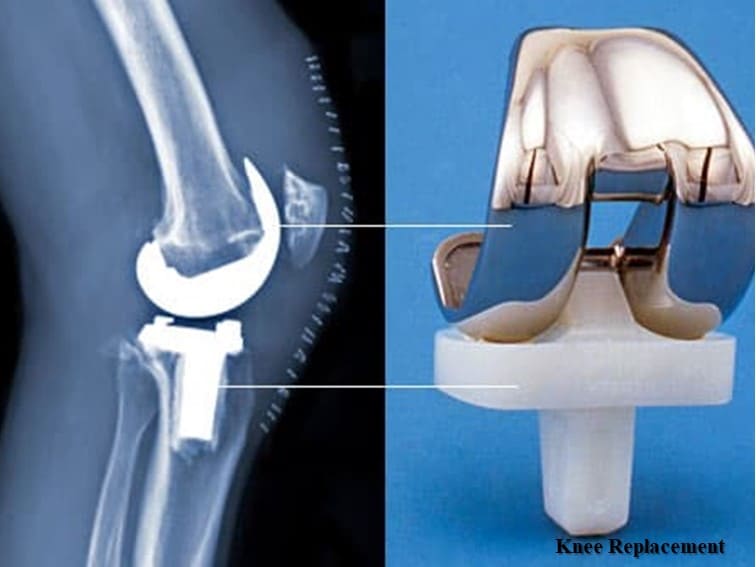
Total Knee Replacement or Knee Arthroplasty is a surgical procedure to resurface the damaged portion of the knee joint. The knee joint is a hinge joint as it helps in motion. Thighbone (femur) adjoins (tibia – the lower leg bone) at the knee joint. The knee joint also has a knee cap.
The Knee Joint
The cartilage and bones that form the knee joint function normally as long as they are healthy.
When damage affects the bones, cartilage, or kneecap, surgeons remove the damaged portions and replace them with artificial components. During a typical knee replacement procedure, the surgeon cuts away the damaged part of the thigh bone (femur) and places a metal shell over the prepared bone. The surgeon also replaces the damaged part of the shin bone with a spacer and metal stem. In other words, the surgeon replaces the damaged knee joint with a prosthesis (an artificial joint). Manufacturers make these artificial components from alloys, metals, high-grade plastics, and polymers.
Knee Replacement Is for Whom?
Doctors may consider total knee replacement for people with severe arthritis, severe knee injuries, rheumatoid arthritis, post-traumatic arthritis, trauma, progressive knee pain, or destructive diseases of the knee joint.
People with knee stiffness, swelling, inflammation, chronic pain, decreased knee function impaired knee movement and progressively increasing knee pain are the candidates for total knee replacement surgery.
Planning a Total Knee Replacement in Hyderabad
Your orthopedic surgeon who specializes in knee replacement surgery performs a complete physical examination. He also assesses the strength, flexibility, and stability of your knee point. He uses bone scans, and X-rays to completely evaluate your case and to see whether you are a candidate for total knee replacement. In a nutshell, you, your family, and your surgeon should make the final decision about total knee replacement together.
Results of a Total Knee Replacement in Hyderabad at Sunshine Hospitals
Knee replacement relieves severe knee pain, increases mobility (knee function), and ensures a higher quality of life for the majority of people. It is a safe, effective, and gold standard surgical procedure for the treatment of diseased and severely damaged knee joints. In addition, most knee replacements are predicted to last for at least 15 years or more. Most everyday activities, such as shopping and minor housekeeping, can be resumed three to four weeks after surgery.
After you’ve recovered, you can do low-impact activities like walking, swimming, golfing, or riding. Higher-impact activities, such as running, tennis, and sports that require contact or jumping, should be avoided. Discuss your limitations with your doctor.
Patients after undergoing total knee surgery must follow all the instructions given by their orthopedic surgeons, nurses, and physical therapists. Physical therapy is an essential part of rehabilitation after total knee replacement.
Bottom line
When you have chronic knee discomfort or osteoarthritis, you may need a knee replacement. Furthermore, you must understand when a knee replacement is required for you.
It is a normal human tendency to avoid surgery and to go for less invasive means of relieving pain and other symptoms. Therefore, many people try medications, cortisone injections, anti-inflammatory medications, and physical therapy – without even consulting a specialist doctor. This is not the solution to their problems. You must see your doctor to know whether total knee replacement is the best and most effective procedure.
Hope this article helps you to acknowledge when surgery is actually required for you. However, you must consult your orthopedic surgeon.
Are You Planning a Total Knee Replacement in Hyderabad at Sunshine Hospitals?
The best option for you to consider if you are planning complete knee replacement is Robotic Knee Replacement Surgery. Consult me by fixing an appointment or call now to clear all your concerns about robotic knee replacement.
What Are the Different Types of Back Pain?
Types of Back pain depend on the cause. Back pain is one of the most common reasons why individuals visit the doctor or miss work. Moreover, when it comes to diagnosis and treatment, it varies depending on the many forms of back pain you may encounter at any particular time. Recognizing how your back pain is affecting your life might help you explain your symptoms to your doctor more effectively.
Symptoms
Back pain can be anything from a dull ache in the muscles to a shooting, searing, or piercing pain. Furthermore, pain may travel down your leg or worsen when you bend, twist, lift, raise, or walk. The symptoms of back pain thus vary.
Types of Back Pain
Acute back pain
It is described as pain that lasts less than 3 months and usually goes away with conventional therapies. Acute back pain can range in intensity, but it’s usually severe and abrupt. This type of back pain that usually lasts only a few weeks, is frequently caused by:
- Muscle strains or cramps
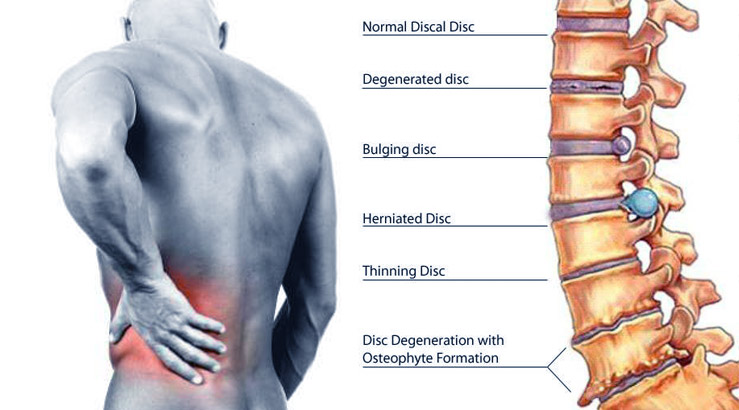
- Disc herniation
- Curvatures of the spine
- Pregnancy
Chronic back pain
The more acute back pain persists, the more probable it is to develop into chronic pain. It is described as pain that lasts four to six weeks or more. Nerve compression worsened by motion or progressive disease are the common causes of chronic back pain.
Lower back pain
The lumbar and pelvic regions make up the lower back. The strain on the vertebrae and discs causes lower back discomfort. Additionally, lower back pain is frequently caused by poor lifting technique and sitting on the tailbone. Lower back pain, regardless of its cause, has a tendency to progress. Variations in motion to prevent the twinge of pain frequently result in more damage or staining further up the spinal column.
Sciatica: Lower back pain may also be due to the tiny gel-filled discs that protect the space between the vertebrae. If one of these disks swells or bursts, it can put pressure on the nerve. If the nerve is sciatic, the pain spreads from the hip to one leg. It is known as sciatica.arm and shoulder pain
Middle back pain
The rib cage’s mass is supported by the middle back, which also joins the lowest parts of the shoulder blades. Axial pain with dull pains and acute twinges characterizes middle back pain. The many motions of joints connecting the lower and upper back cause microtears in the muscles, leading to pain. Torsion and direct injury are the most common causes of middle back discomfort. Moreover, back injuries involving the ribs or spine are more visible than other types of back injuries.
Upper back pain
The shoulders, neck, and thoracic spine are all connected by the upper back. Recurrent pain is a common symptom of upper back discomfort.
Upper back pain causes
This type of pain is caused by arm and shoulder pain. Headaches, particularly sinus pressure, cause neck, and shoulder stress. This type of pain is stiff and gets worse with poor sleeping and sitting positions.
Causes of back pain in women
In general back pain is common in women compared to men. It is mostly related to their lifestyle factors – such as obesity, sedentary lifestyle, wearing high heels, activities that involve abrupt, unstable, and abnormal body movements. In women back pain is associated with a wide range of gynecological conditions ranging from premenstrual syndrome, hormonal changes, uterine issues to ovarian cancer.
Types of Back Pain – How to Prevent
Back pain exercises
Low-impact aerobic exercises, or those that don’t stress or jolt your back, can help you build back strength and flexibility, as well as improve the function of your muscles. Swimming and jogging are both terrific options.
Read more: Top 5 exercises for back pain
Strengthen and stretch your muscles – Workouts that build your core, such as abdominal and back muscle strengthening, assist these muscles to operate together like a natural corset for your back.
- Maintain a healthy body mass index (BMI) – Obesity puts a burden on the back muscles. If you’re obese, losing weight can help you avoid back pain.
- Stop smoking. Smoking raises your chances of developing low back discomfort – Because the risk rises with the quantity of cigarettes smoked each day, stopping should help lower it.
Bottom line
Knowing the different types of back pain will help you figure out where in your life you’re having problems. Symptoms should not be disregarded, irrespective of the type of back pain you’re encountering. Pain that doesn’t respond to simple home remedies like rest, the use of a heating pad or cold compress, or over-the-counter pain relievers should be assessed as soon as possible by your orthopedic doctor. You should consult a doctor if you don’t feel better within 3 to 4 days. Similarly, if you encounter back pain after injury, you must see a specialist doctor immediately.
Remember! Back pain associated with numbness and weakness in the legs, change in bowel habits or associated with bladder control issues (urinary incontinence), pain while coughing and urination, and fever warrants a visit to a specialist doctor immediately.
Read more: Joint Pain Treatment

Benefits of Robotic-assisted Joint Replacement Surgery
Benefits of robotic joint replacement: Don’t you want your implant to be accurate, precisely aligned, and placed perfectly with up to 99.9% precision? Who doesn’t want less post-surgical pain, noticeably quicker healing and recovery; less post-surgical complications; shorter stay, and faster discharge from the hospital – Mako robotic arm assist your surgeon chart your procedure almost down to each movement?
Why Robotic-assisted surgery is always better than the traditional approach?
The robotic arm allows your surgeon to better protect the tissues surrounding your surgical site. The implant or components that replace your old joints are typically made from metal, ceramic, or plastic. Robotic assistance allows your surgeon to place your implant more efficiently. Furthermore, robotic surgery leaves much smaller and less invasive scars than traditional surgery.
Benefits of Robotic Joint Replacement – Accuracy
Your surgeon dexterously performs the procedure with cent percent precision that helps protect the surrounding tissues of the surgical site. Your surgeon typically replaces the old damaged joint components with the implant or components made from plastic, ceramic, or metal
Mako robotic assistance helps your surgeon place your implant more efficiently, thereby leaving a much smaller margin of error. In addition, compared with traditional joint replacement surgery, robotic surgery can result in smaller and less invasive scars.
Improved Lifespan of the Implant
Furthermore, robotically assisted hip and knee replacements may offer another important advantage. In particular, these implants can have a longer lifespan than conventionally replaced joints and may also have lower failure rates.
Ultimately, the most important feature of robotic-assisted joint replacement surgery is that the Mako robotic system recognizes that every person has a unique joint structure.
This means, for better visualization, the operating surgeon can get a crystal clear 3 D virtual model of the knee or hip joint. This model serves as a user-customized foundation for the entire surgical process.
Top 5 benefits of Robotic-Assisted Joint Replacement
- More accurate pre-surgical planning: The surgery is more precise and accurate. Mako plasty uses 3D Imaging for accuracy. The surgeon can plan the surgery around a person’s unique anatomy. This helps in correct size and positioning of the implant.
-
The far superior results of robotic-assisted joint replacement have undergone clinical testing, with superior precision contributing to these outcomes. The robotic arm helps the surgeon follow the specified dimensions, which can reduce harm to the surrounding healthy tissues and bone. As a result, the surgeon removes only the damaged portion while preserving the healthy bone and tissue. The knee implant placement is perfect with less friction and fewer complications.
- The procedure is flexible. The surgeon does it with full confidence as the surgery is computer assisted. Robotic-assisted surgical arms enable access through smaller incisions.
- Patients can resume their normal activities much sooner as they experience less postoperative pain and heal faster.
-
You can make the transition more natural like this
-
Higher patient satisfaction levels. Moreover, robotic-assisted joint replacement offers several additional benefits.
Bottom Line
f you are determined to get on the fast track to recovery by managing pain, reducing healing time, and improving your ability to move, then robotic-assisted joint replacement may be worth considering. In addition, if you want to return to your favorite activities that you had to give up recently, you may want to explore this option sooner rather than later. Furthermore, discussing your treatment goals with your orthopedic surgeon can help you decide whether robotic-assisted joint replacement is appropriate for you., if you want to return to your favorite activities that you had to give up recently, you may want to explore this option sooner rather than later. Moreover, discussing your goals and expectations with your orthopedic surgeon can help you determine whether this treatment option suits your needs.
Therefore, call this number to book an appointment online and find out whether you are a suitable candidate for this joint replacement option.
Learn More About – Robotic Knee Replacement
Knee Pain Doctor in Hyderabad
Knee Pain – Causes, Types & Treatment You Must Know
Knee pain doctor in Hyderabad | Dr. Praharsha Mulpur
Many people who suffer from knee pain resort to taking some self-care measures – which help in relieving minor knee pain. Sometimes, knee pain may become aggressive and progressively debilitating. In some cases, activities – such as walking, running, and climbing stairs can increase knee pain. Aging may also tend to increase knee pain progressively.
You may face a higher risk of knee pain if you have a high BMI, weak bones, or participate in high-risk activities and sports.
Your knee consists of cartilage, bones, tendons, and ligaments, making it the largest joint in the body. These structures work together to provide movement and stability. The knee joint experiences wear and tear, stress, and strain for several reasons.
. If you have knee pain, inquire about the types, causes, and treatments for knee pain before contacting the best knee pain doctors in Hyderabad.
Knee pain causes
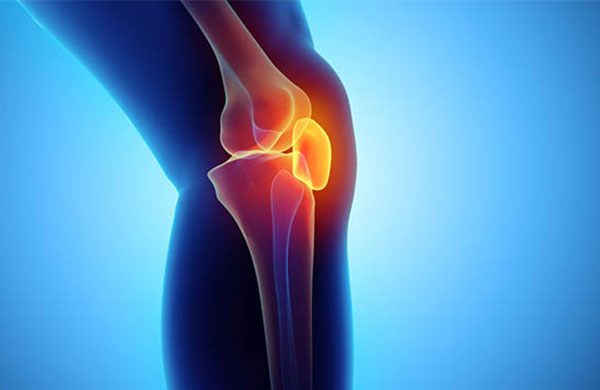
Knee pain: Your knee joint is vulnerable to stress and strain, injuries and damage as it is used daily. Any condition of the knee joint manifests as knee pain. It is a common orthopedic condition as it affects people of all ages. Knee infections, knee injuries, damage caused to knee parts, knee bone fractures, torn ligaments and tendons, and medical conditions such as osteoarthritis of the knee joint can cause mild to severe knee pain.
Injuries that cause knee pain
The complex knee joint consists of bones, cartilage, tendons, ligaments, and surrounding muscles. Any damage or injury to these parts can cause knee pain.
Patellar tendinitis: Tendons are the fibrous tissues that attach muscles to bones.
Athletes, sportspersons, cyclists, skiers, runners, and people who participate in contact sports have a higher risk of patellar tendon injuries, which can cause inflammation.
Patellar tendinitis causes inflammation and irritation in the patellar tendons.
Knee bursitis – Bursae are small fluid sacs that cushion outside the knee joint. The ligaments and tendons glide smoothly over the knee joint with the help of tendons.
n addition, inflammation of the bursae may occur due to knee injuries.
Furthermore, a torn meniscus can affect the knee’s ability to absorb shock. Tough cartilage called the meniscus acts like a shock absorber between the knee bones. For example, many people may tear their meniscus when they suddenly twist their knee while bearing weight.
Similarly, fractures of the knee bones mostly occur during falls and accidents, such as motor vehicle and car accidents. In addition, damage to the knee bone, especially the kneecap, can occur because weak bones may result from osteoporosis. Moreover, taking an incorrect step can also contribute to knee injuries.
ACL injury – Likewise, the anterior cruciate ligament (ACL) connects the shinbone to the thigh bone. A tear in this ligament is known as an ACL injury. In particular, this type of injury commonly affects sportsmen and sportswomen, especially those who play football, basketball, or participate in other sports and contact sports.
The above-mentioned knee injuries are the most common causes of knee joint pain.
Mechanical problems that cause knee pain
Here are some of the mechanical problems that can lead to knee pain:
Loose body: If a broken piece of bone or cartilage floats between the knee joint space due to a degenerative knee condition or knee injury, it creates problems as the loose body causes hurdles in the movement of the knee joint.
Iliotibial (IT) band syndrome: This type of syndrome occurs due to an injury or overuse of the connective tissues located on your outer thigh and knee. Long-distance runners and cyclists are vulnerable to iliotibial (IT) band syndrome.
Knee pain after running
Many people experience knee pain after running. This condition is known as patellofemoral pain syndrome. In some cases, chondromalacia patella also causes knee pain. In this condition, the cartilage under the knee bone breaks down and causes knee pain. If you notice this, then meet the best knee pain doctor in Hyderabad.
Dislocated kneecap: The triangular bone in the front of the knee is called the patella. Sometimes it shifts out of place resulting in the dislocated kneecap. It causes severe knee pain.
Hip or foot pain
People who suffer from foot or hip pain tend to change their walking style to relieve pain. But, by doing so, they put additional stress on their knee joint owing to modified movement. They experience knee pain.
Types of knee pain (Arthritis and associated conditions)
More than 100 arthritis types exist in this world. The types of arthritis that affect your knee include:
Pseudogout – It is different from gout as it is caused due to the formation of calcium-containing crystals in the joint fluid Many people get confused it with gout. The knee joint is the most commonly affected joint in the body.
Gout – In this type of arthritis, uric acid crystals build up in the knee joint and cause knee pain, swelling and inflammation.
Rheumatoid arthritis –This is the most common and severe type of arthritis. It can occur in any joint of the body – and also in knee joints. This is an autoimmune condition.
Septic arthritis – The symptoms of this type of arthritis are swelling, inflammation, pain, warmth to touch, fever, and severe knee pain. It is also known as infectious arthritis or joint infection. Infectious microorganisms grow in the knee joint and can cause this condition.
Osteoarthritis
This is a common degenerative type of knee arthritis wherein the cartilage that surrounds the knee joint may deteriorate over a period of time. This is a progressively damaging condition due to advancing age and knee joint overuse. In this condition, the cartilage of the knee joint wears out completely resulting bone on bone condition. Knee bones grind against each other causing excruciating knee pain. If you think that your knee pain could be due to mechanical problems, knee injuries, knee inflammation, knee infections, and osteoarthritis of the knee joint, then consult Dr. Praharsha, one of the best knee pain doctor in Hyderabad.
Joint Pain Treatment
Read the following information prior to meeting a joint pain specialist in Hyderabad
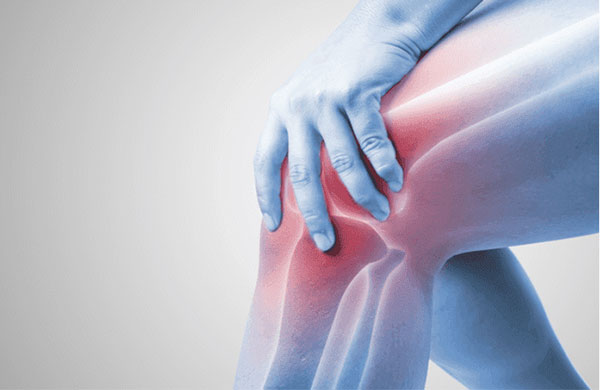
Many people suffer from different types of joint pains due to different types of causes. Joint pain is very common. Knee pain, hip pain, elbow and shoulder pain are the most common types of joint pains. An injury or damage caused to the joint due to any disease or disorder can cause joint pain.
If joint pain is interfering with movement and causing trouble, then Dr Praharsha Mulpur recommends you to read the following information completely.
Muscle and Joint pain with Fatigue
Body and muscle pain, sensitivity, exhaustion and fatigue are the typical signs of fibromyalgia. Its cause is unknown. Tingling sensation in hands and feet, sensitivity to sound and light and morning stiffness are the other symptoms of this condition.
- Chronic fatigue syndrome can also cause similar symptoms that include joint and muscle pain with fatigue.
- In some people, fibromyalgia can be due to physical trauma or surgery and infections.
Autoimmune Conditions
Rheumatoid Arthritis – The condition is associated with muscle and joint pain, joint inflammation, fatigue with low-grade fever.
Lupus symptoms – This condition also shows similar symptoms including low-grade fever, joint pain, muscle and body pain, exhaustion, rash, sensitivity to light and sound, redness and swelling around the joints and fatigue.
Gout Causes Joint Pain
Joint pain causes by uric acid: Uric acid accumulates in excess forming urate crystals in the joint. The condition results in swelling, severe pain and inflammation. It is known as Gout. It is a type of arthritis the risk of which increases due to an unhealthy lifestyle, obesity, eating excess red meat, shellfish, consuming excess alcohol and beer. Certain health conditions such as kidney disease, heart disease, metabolic disorders, obesity and diabetes increase the risk of gout.
Joint pain caused by nerves
The pain feels more like burning, stabbing or shooting pain. The other symptoms of neuropathy or nerve pain include numbness or tingling sensation. Damaged caused to the nerves may result in electric or lightning strike type of pain.
In most cases, nerve pain can result from neurological conditions such as multiple sclerosis, diabetic neuropathy, and viral infections. Orthopedic conditions can also cause nerve pain. These conditions may involve tissue damage, torn ligaments, or pinched nerves caused by surrounding tissues or bones. Herniated discs, fractured vertebrae, slipped discs and carpal tunnel syndrome can cause nerve pain (neuropathic pain). This type of pain doesn’t respond to NSAIDs.
Joint pain in legs
Soft tissues injuries are the prominent causes of joint pain in the legs. Injuries in the joints, cartilages, bones, muscles and ligaments, tendons, and soft tissues cause joint pain. Sometimes, leg pain can also be due to spinal conditions.
Some common causes of joint pain in the legs include Achilles’ tendinitis, Achilles’ tendon rupture, and chronic exertional compartment syndrome. Other causes include osteoarthritis, osteomyelitis, Paget’s disease of the bone, patellar tendinitis, and patellofemoral pain syndrome.
Additionally, peripheral artery disease (PAD), peripheral neuropathy, pseudogout, psoriatic arthritis, septic arthritis, reactive arthritis, rheumatoid arthritis, sciatica, and bursitis can cause leg joint pain. ACL injuries and broken legs can also contribute to joint pain.
If you have joint pain along with swelling, tenderness, redness, or warmth, consult an orthopedic doctor. You should seek an evaluation if these symptoms persist for more than two to three days.
In some cases, fever may be persistent along with joint pain.
Joint pain in children
In children, joint pain is mostly due to growing pain – which may be due to musculoskeletal pain. Almost 30% of children suffer joint pain due to this reason. Growth spurts in children may not lead to joint pain as many people may assume it to be due to growth. Fatigue, restless leg syndrome, vitamin D deficiency and low tolerance to pain can cause this type of pain in children. Joint pain in children can also be due to other causes such as juvenile idiopathic arthritis, Lyme disease, lupus and leukaemia.
Many children outgrow their condition related to growing pain as they grow. However, if the pain lingers for long, seems to be unusual or severe and is associated with weakness or fatigue, loss of appetite, tender joints, swollen red joints, weight loss, and fever, you should seek an appointment with the joint pain specialist in Hyderabad.
Bottom Line
Your problem could be due to any of the several causes of joint pain.
You may resort to taking over-the-counter pain relief medicines to get relief from joint pain and also take some other measures. You will get some temporary relief by adopting these measures, but when you use such medicines excessively your joint pain can become worse. Irrespective of the measures you take and the treatment you undergo by your family physician, it is important for you to get timely medical help by approaching a good joint pain specialist.
Timely Care is Important
Proper and accurate diagnosis of the underlying cause is very important for the prompt and effective treatment of joint pain. In the absence of treatment or delay in seeking treatment in time, your joint can deteriorate progressively and may deform completely – making the condition worse.
Dr Praharsha Mulpur, a renowned Joint pain specialist in Hyderabad, is currently working as a joint replacement surgeon in the Department of Robotic Joint Replacement Surgery at Sunshine Hospitals, Hyderabad. He is a renowned joint Pain Specialist & Joint Replacement Surgeon in Hyderabad.
