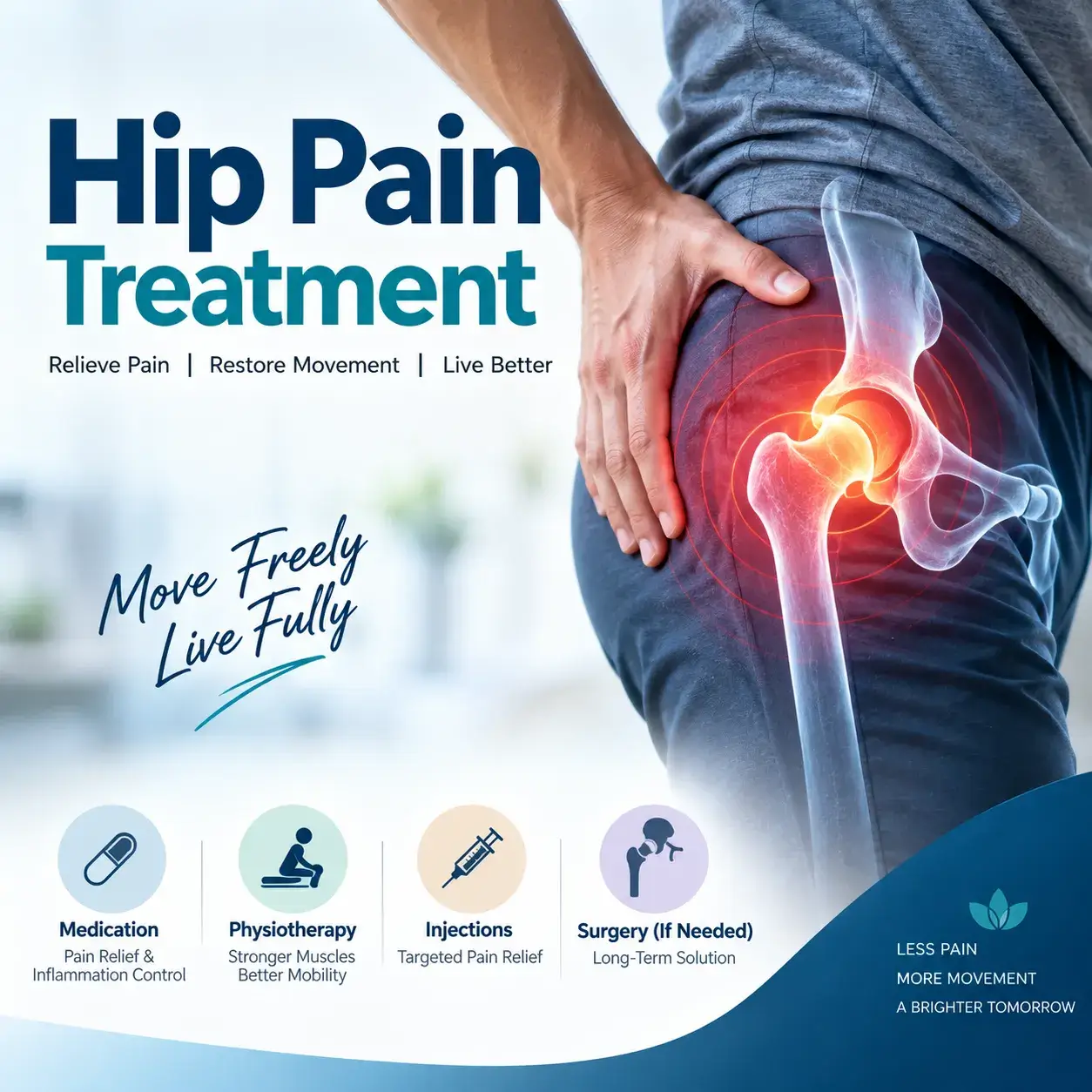
Hip Pain Treatment
Hip Pain What You Need to Know?
Hip joint is the body’s largest joint. It is a ball-and-socket joint and the most stable and strong joint. The top of the thigh bone is ball like. It sits inside a hallow socket in the pelvis. This type of joint provides different types of joint movements in the body.
The Hip Joint and Movement
The joint fits in such a way that it allows smooth movement. The hip bone moves in its socket. The cartilage cushions the hip bones in this joint and prevents friction as the hip bone moves. The cartilage also prevents the bones of the hip joint from rubbing against each other. In addition, whenever a person walks, jogs, jumps, or runs, this cartilaginous cushion acts like a shock absorber and reduces the impact. As a result, the cartilage helps protect the hip joint during everyday movements and physical activities.The hip joint is covered by muscles that are secured to the bones by tendons.
The Synovium
The tendons and muscles together form a capsule around the joint and help move the joint. The synovium inside the joint lubricates the joint with synovial fluid and keep the cartilage healthy. The entire joint help support the upper body and legs. The hip joint can withstand repeated motion and a fair amount of wear and tear.
Hip Joint is Vulnerable to Damage
Despite its strength, stability, and durability, the hip joint remains vulnerable to wear, tear, and damage. For example, overuse can strain the tendons and muscles, while falls and injuries can damage the hip joint and cause fractures. In addition, aging and repeated stress can gradually wear down the cartilage. As a result, these problems can cause hip pain.
Doctors use the term hip pain to describe discomfort in and around the hip joint. However, the pain does not always originate in the hip. Instead, you may feel it in the thigh or groin area. Therefore, identifying the exact location of the pain can help your doctor determine its possible cause.
Surprising Causes of Hip Pain
Sometimes, a problem with your hip joint can cause knee pain. In such cases, you may feel the pain in the front of the leg, around the knee, or in the groin.
Radiated or referred Hip Pain: This is fairly common. In some people knee pain is the only sign of problem with their hip. Sometimes, lower back pain can also radiate to buttocks and hip. The person experiencing this type of pain feel pain in the buttocks and outside of their hip.
You should see your orthopaedic doctor immediately if you:
- Have hip bone injury
- Have had a fall
- Are experiencing hip pain which is getting worse
- Are having walking difficulty
- Are finding it difficult to lean forward while sitting and moving upstairs and downstairs.
- Feel unwell or feverish or losing weight.
Bottom Line
Persistent chronic hip pain not getting better with medications and home remedies should get evaluated by an experienced orthopaedic doctor. Problems with the ligaments, tendons, muscles and soft tissues that surround the hip joint can cause hip pain in the outside of your hip or buttocks. Pain within the hip joint can result from problems affecting the hip itself. However, conditions affecting the lower back can also cause hip pain. In such cases, doctors call this type of pain referred or radiating pain. Furthermore, a wide range of health issues, as discussed above, can contribute to hip pain.
Therefore, Dr. Praharsha Mulpur can use the symptoms and other valuable clues to precisely identify the source of your hip pain and determine the underlying cause. If severe joint damage causes the pain, your doctor may recommend robotic-assisted joint replacement surgery in suitable cases.
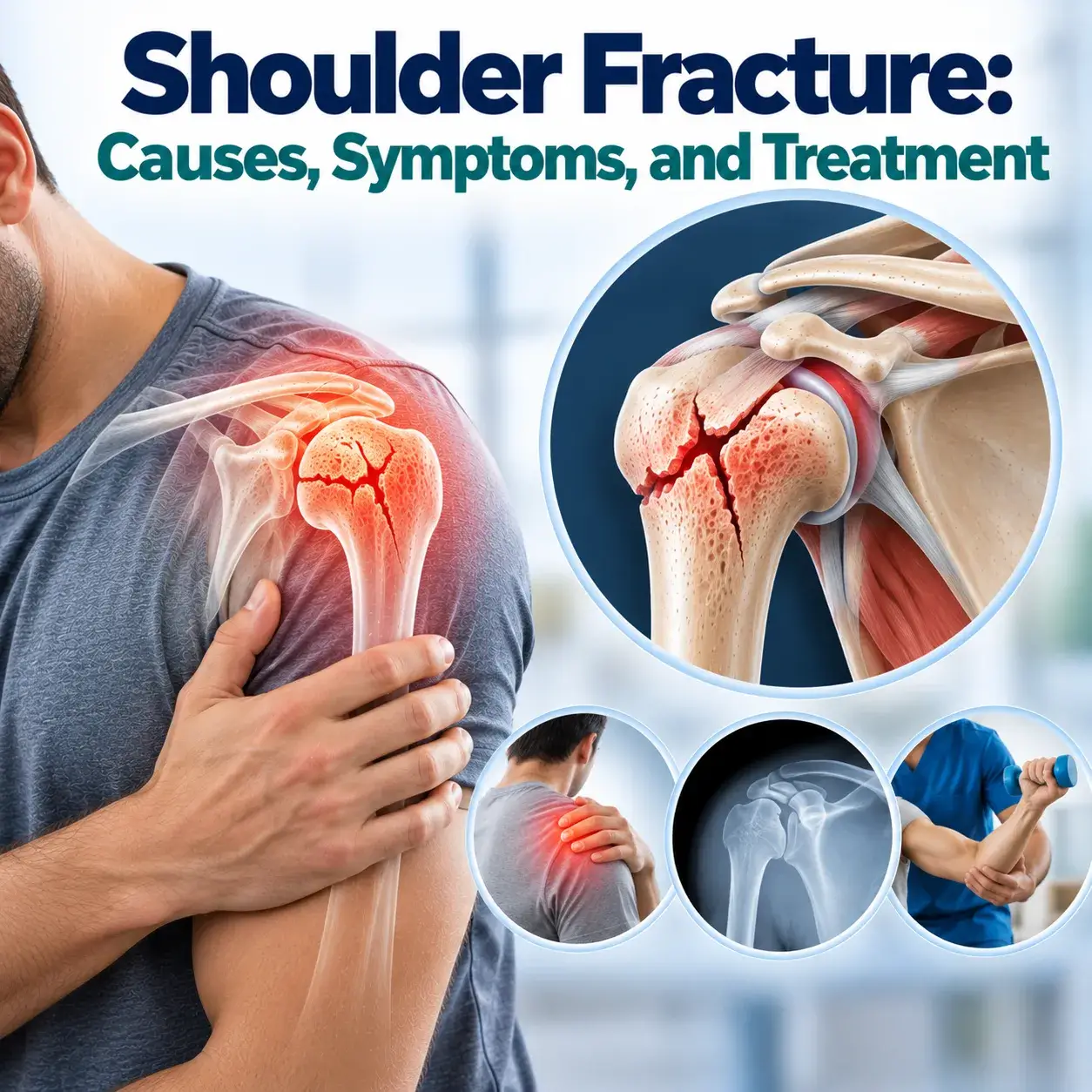
Shoulder Fracture: Causes, Symptoms, and Treatment
A shoulder fracture is a common injury. Typically, patients across all age groups experience significant pain.
The shoulder is a complex joint made up of three bones: the clavicle (collarbone), the scapula (shoulder blade), and the humerus (upper arm bone). Usually, a fracture occurring in any of these three bones will lead to severe pain, loss of mobility, or other complications. Understanding the causes, symptoms, and treatment options is crucial for effective management and recovery. Before delving into shoulder fracture treatment options, we should explore their causes, types, and symptoms.
Causes of Shoulder Fracture
Shoulder fractures can result from various incidents, including:
- Falls: The most common cause, especially in older adults, is falling onto an outstretched hand or directly onto the shoulder.
- Sports Injuries: Contact sports (like football, hockey, and rugby) and activities with a high risk of falls (such as skiing or skateboarding) can lead to fractures.
- Trauma: Car accidents, bike accidents, or any significant blow to the shoulder area can cause a fracture.
- Osteoporosis: This condition weakens bones, making them more susceptible to fractures, even from minor falls or stresses.
Shoulder fractures are really painful and they cause immobility to your regular tasks. It is always helpful, if you could consult a doctor on time. It is generally not the same for every patient. But, there are situations where we must take diagnosis. If you shoulder pain is not relieving in an expected time frame, you have to do some exercises that can fix the pain. Phyio is a final option but not a first choice. An ortho Doctor can diagnose it better as they are knowledgable to treat the right thing. We at Hyderabad, treated many such patients for shoulder fractures. Probably, any ortho doctor gives the best advise after checking the patients. However, Dr. Praharsha Mulpur is specially trained on Orthopedics and has experience in surgeries.
Symptoms of Shoulder Fracture
The symptoms of a shoulder fracture can vary depending on the severity and location of the break. Common symptoms include:
- Pain: Severe and immediate pain at the site of the fracture.
- Swelling and Bruising: Around the shoulder and possibly extending down the arm.
- Deformity: The shoulder may appear out of place or have an abnormal contour.
- Limited Mobility: Difficulty moving the shoulder or arm, often accompanied by a grinding sensation.
- Tenderness: The area around the fracture may be extremely sensitive to touch.
Types of Shoulder Fractures
- Clavicle Fracture: This is the most common type of shoulder fracture. It typically results from a fall onto an outstretched hand or a direct blow to the shoulder.
- Scapula Fracture: Less common due to the protection provided by the chest and muscles, scapula fractures usually result from high-energy trauma.
- Proximal Humerus Fracture: This occurs near the top of the upper arm bone, often from a fall on an outstretched hand, especially in older adults with osteoporosis.
Diagnosis
To diagnose a shoulder fracture, an orthopedic doctor will:
- Physical Examination: Assess the shoulder for signs of deformity, swelling, and tenderness.
- Imaging Tests: X-rays are the most common imaging test to confirm the fracture. CT scans or MRIs may be used for more detailed images, especially if surgery is considered.
Shoulder Fracture Treatment Options
The treatment for a shoulder fracture depends on the type and severity of the fracture, as well as the patient’s overall health and activity level.
- Non-Surgical Treatment:
- Immobilization: Using a sling or shoulder immobilizer keeps the shoulder in place and allows the bones to heal.
- Pain Management: Over-the-counter pain relievers like acetaminophen or NSAIDs (e.g., ibuprofen) can help manage pain.
- Physical Therapy: Physical therapy is essential to restore movement and strength once the initial pain and swelling subside.
- Surgical Treatment:
- Open Reduction and Internal Fixation (ORIF): Metal plates, screws, or pins are used to stabilize the bone fragments.
- Shoulder Replacement: In severe cases where the bone is shattered or the joint is damaged, a shoulder replacement may be necessary.
Recovery and Rehabilitation
Recovery from a shoulder fracture can take several weeks to months, depending on the severity of the fracture and the treatment method used. Key aspects of the recovery process include:
- Rest: Adequate rest and avoiding activities that stress the shoulder are crucial.
- Physical Therapy: Gradual rehabilitation exercises to improve flexibility, strength, and range of motion.
- Follow-Up Care: Regular check-ups with the healthcare provider to monitor healing progress and adjust treatment as needed.
Prevention
While not all shoulder fractures can be prevented, some measures can reduce the risk:
- Fall Prevention: Use handrails, avoid slippery surfaces, and ensure proper lighting to prevent falls, especially for the elderly.
- Protective Gear: Use appropriate protective equipment when engaging in sports or activities with a high risk of shoulder injury.
- Bone Health: Maintain a diet rich in calcium and vitamin D, and engage in weight-bearing exercises to strengthen bones.
Prevention is a myth in terms for a fracture. Because, you don’t know whether you fell into a fracture by yourself. However, there are some security measures which you can consider while playing some sports. You can also take some advanced protection layers for your shoulders useful for your driving.
Conclusion
A shoulder fracture is a painful and often debilitating injury that requires prompt and effective treatment to ensure proper healing and recovery. Understanding the causes, recognizing the symptoms, and seeking appropriate medical care are essential steps in shoulder fracture treatment. With the right treatment and rehabilitation, most people can regain full function of their shoulders and return to their normal activities.
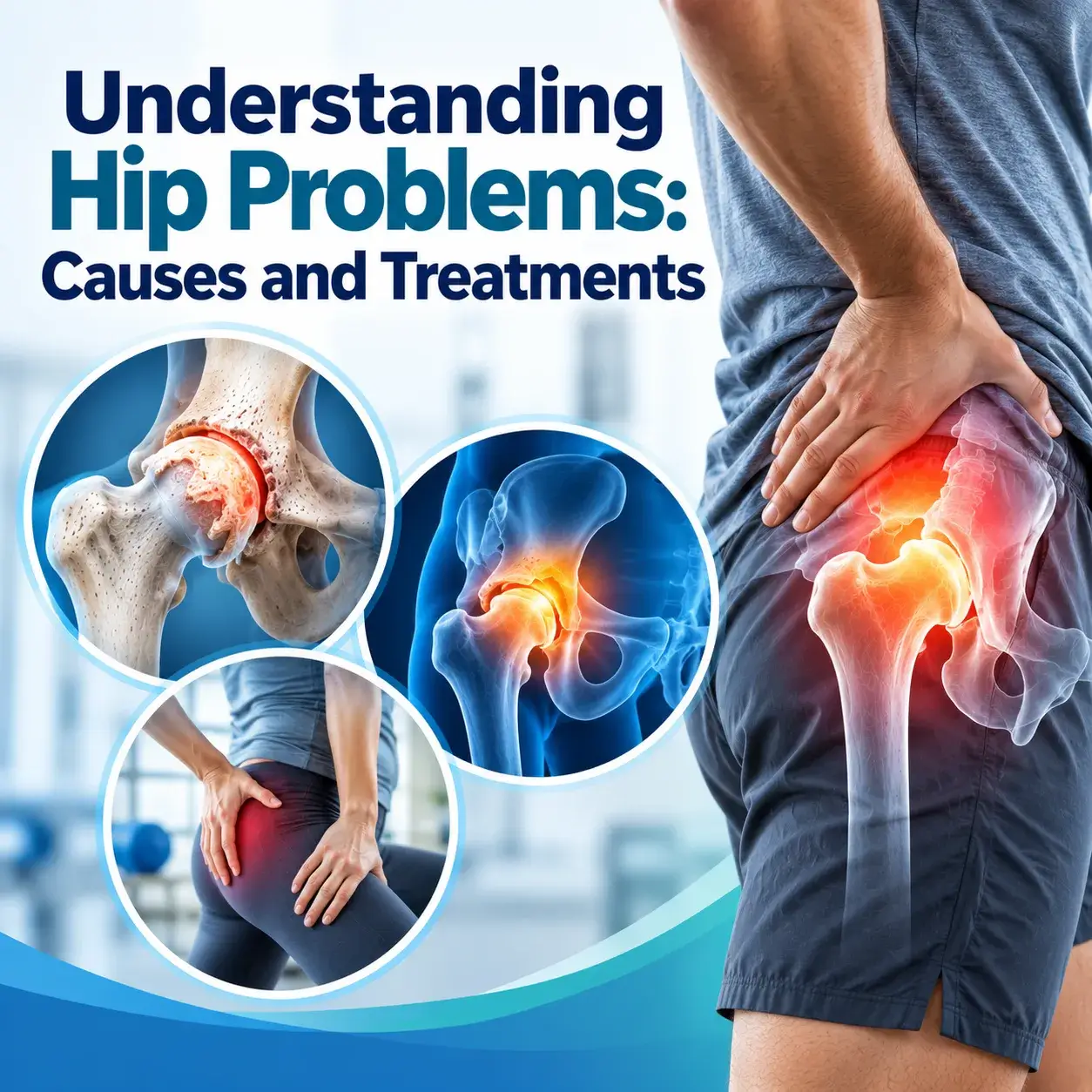
Understanding Hip Problems: Causes and Treatments
Hip problems can significantly affect your daily life, often limiting mobility and causing persistent pain. Therefore, understanding the common causes of hip pain and exploring the available treatment options can help you manage these issues more effectively. In addition, this blog explains the common causes and problems associated with hip pain and explores the various treatment options available.
Common Hip Pain Causes
Several conditions can cause hip pain, and each one can affect the joint in a different way. For this reason, identifying the underlying cause plays an important role in choosing the right treatment. Below, we discuss some of the most common causes of hip pain and the symptoms they may produce.
1. Osteoarthritis
First, osteoarthritis is a degenerative joint disease in which the cartilage cushioning the hip joint gradually wears down over time. As a result, you may experience pain, stiffness, and reduced range of motion. Over time, these symptoms can interfere with walking, climbing stairs, and other everyday activities. Furthermore, advanced osteoarthritis can significantly affect your mobility and quality of life.
2. Rheumatoid Arthritis
Similarly, rheumatoid arthritis is an autoimmune disorder that causes inflammation in the joints, including the hip. In addition, persistent inflammation can affect normal joint function and mobility. Consequently, rheumatoid arthritis can result in severe pain and joint deformity. Therefore, early evaluation and appropriate treatment can help manage the condition and protect joint function.
3. Hip Fractures
In older adults, hip fractures commonly occur because of falls or osteoporosis. In particular, weakened bones can increase the risk of fractures following even a relatively minor fall. As a result, a hip fracture can cause intense pain and make standing or walking extremely difficult. Therefore, anyone with a suspected hip fracture should seek immediate medical attention.
4. Bursitis
Another common cause of hip pain is bursitis, which occurs when the bursae, small fluid-filled sacs that cushion the hip joint, become inflamed. In addition, this inflammation can make movement painful and uncomfortable. As a result, activities that involve repeated movement or pressure on the hip may become more difficult. Furthermore, reducing activities that aggravate the hip may help ease discomfort.
5. Tendinitis
Likewise, tendinitis involves inflammation of the tendons around the hip joint and often develops because of overuse or repetitive motion. For example, activities that repeatedly place stress on the hip can contribute to tendon irritation. Consequently, tendinitis can cause pain and tenderness around the hip. In addition, continuing the activity that triggers the pain may make the symptoms more noticeable.
6. Hip Labral Tear
In addition, the labrum forms a ring of cartilage around the outer rim of the hip joint socket. When this cartilage tears, you may experience hip pain along with a catching sensation during movement. Moreover, certain movements may increase the discomfort or produce a noticeable clicking or catching feeling. As a result, persistent symptoms may interfere with normal hip movement and daily activities.
7. Avascular Necrosis
Additionally, avascular necrosis occurs when the blood supply to the hip bone becomes disrupted, eventually leading to bone death and joint damage. As the condition progresses, the affected bone can weaken and cause increasing discomfort. Consequently, avascular necrosis can cause severe pain and disability. For this reason, persistent or worsening hip pain requires appropriate medical evaluation.
8. Snapping Hip Syndrome
Finally, snapping hip syndrome causes a snapping sensation or sound in the hip during movement. In some cases, tight muscles or tendons can move over the bony structures of the hip and produce this sensation. As a result, you may notice a snapping feeling or discomfort when moving the hip. However, the severity of symptoms can vary, and persistent pain or movement problems may require evaluation by a healthcare professional.
Symptoms of Hip Problems
- Pain in the hip joint, thigh, groin, or buttocks
- Stiffness and reduced range of motion
- Swelling and tenderness
- Difficulty walking or standing
- A feeling of instability or the hip “giving out”
Diagnosis of Hip Problems
Diagnosing hip problems typically involves:
- Medical History and Physical Examination
- The doctor will ask about your symptoms, medical history, and any injuries or activities that may have contributed to your hip pain.
- A physical examination will assess your range of motion, strength, and areas of tenderness.
- Imaging Tests
- X-rays: To check for fractures, arthritis, or other bone abnormalities.
- MRI: To examine soft tissues like cartilage, tendons, and ligaments.
- CT Scan: To get a detailed view of the hip joint and surrounding structures.
- Laboratory Tests
- Blood tests can help diagnose conditions like rheumatoid arthritis or infections.
Treatment Options for Hip Problems
1. Medications
- Pain Relievers: Over-the-counter options like acetaminophen or NSAIDs (e.g., ibuprofen) can help manage pain and inflammation.
- Corticosteroids: Injected directly into the hip joint to reduce inflammation and pain.
- Disease-Modifying Antirheumatic Drugs (DMARDs): For conditions like rheumatoid arthritis.
2. Physical Therapy
- Tailored exercises to improve strength, flexibility, and range of motion.
- Techniques to reduce pain and improve mobility.
3. Lifestyle Modifications
- Weight management to reduce stress on the hip joint.
- Avoiding activities that exacerbate hip pain.
- Dietary changes and supplementation
4. Assistive Devices
- Canes, crutches, or walkers can help take pressure off the hip and improve mobility.
5. Surgical Treatments
- Hip Arthroscopy: Minimally invasive surgery to repair labral tears or remove loose fragments.
- Osteotomy: Realigning bones to relieve stress on the hip joint.
- Hip Replacement: Replacing the damaged hip joint with a prosthetic one, typically used for severe arthritis or hip fractures.
- Hip Resurfacing: An alternative to hip replacement for younger, active patients.
Prevention of Hip Problems
- Maintain a Healthy Weight: Reduces stress on the hip joints.
- Regular Exercise: Strengthens muscles around the hip joint, improving stability and flexibility.
- Avoid Repetitive Stress: Be mindful of activities that put repetitive stress on the hips.
- Fall Prevention: Especially important for older adults to prevent hip fractures.
Conclusion
Hip problems can range from mild discomfort to severe pain, significantly impacting your quality of life. Therefore, understanding the causes of hip pain, recognizing the symptoms, and seeking appropriate treatment can help you manage these issues effectively. In addition, lifestyle changes, medication, physical therapy, and surgery can provide several options to help alleviate hip pain and improve mobility. Ultimately, if you experience persistent hip pain, consult a healthcare professional to determine the most appropriate course of action.
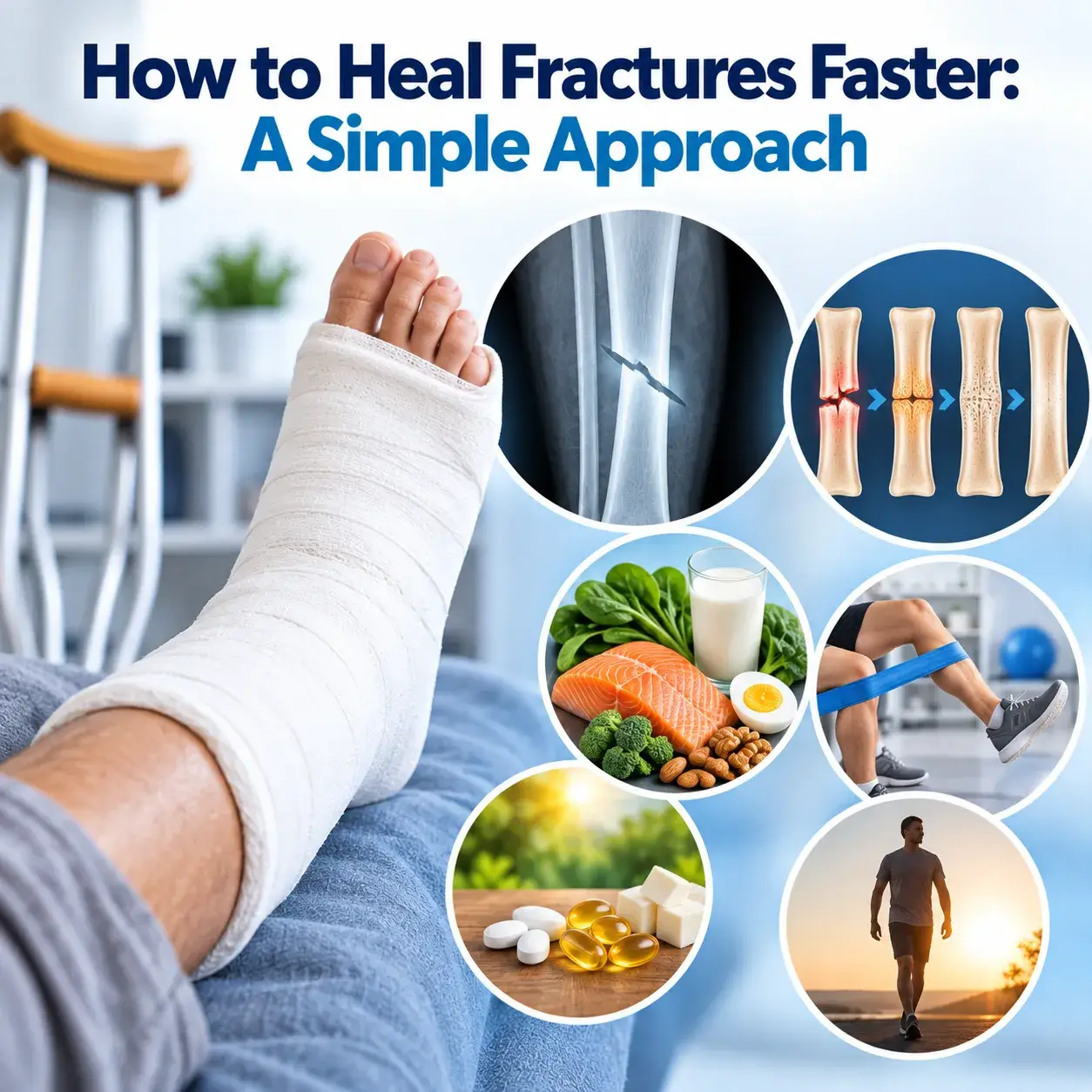
How to Heal Fractures Faster: A Simple Approach
Fractures are common injuries that can disrupt daily life and take weeks or even months to heal. While the body naturally works to repair broken bones, there are several strategies you can employ to help speed up the healing process.
How to Heal Fractures Quicker
If you have a fractured bone and you are concerned about the duration of bone fracture healing, then you should know this first:
A bone fracture healing time mostly depends on the location, type and severity of the bone fracture – and also, on your age and health status. Another crucial factor is the time you took before seeking medical treatment. For instance, if you meet an orthopedic doctor as soon as you have a fractured bone, the better your prognosis.
Let us explore effective ways to promote faster fracture healing through proper nutrition, lifestyle adjustments, and medical interventions.
Understanding Fracture Healing
Before diving into the tips, it’s essential to understand the basic stages of fracture healing:
- Inflammatory Phase: Immediately after the fracture, blood clots form around the break to protect it and create a foundation for new bone cells.
- Reparative Phase: Over the next few weeks, a soft callus made of collagen forms around the fracture, which then hardens into a hard callus of new bone.
- Remodeling Phase: Finally, the new bone is reshaped and strengthened over several months, returning to its original shape and structure.
How to Heal Fractures Quicker
1. Nutrition: Fuel Your Healing
Proper nutrition plays a crucial role in bone healing. Ensure your diet includes:
- Calcium: Essential for bone strength, found in dairy products, leafy greens, and fortified foods.
- Vitamin D: Helps the body absorb calcium, found in sunlight exposure, fatty fish, and fortified foods.
- Protein: Necessary for tissue repair and regeneration, found in lean meats, beans, and legumes.
- Vitamin C: Aids in collagen formation, found in citrus fruits, strawberries, and bell peppers.
- Zinc: Supports tissue repair, found in meat, shellfish, and nuts.
2. Stay Hydrated
Hydration is vital for overall health and aids in the delivery of nutrients to the healing site. Aim for at least 8 glasses of water a day.
3. Follow Medical Advice
Adhering to your doctor’s recommendations is crucial for optimal healing. This includes:
- Immobilization: Using casts, splints, or braces to keep the fractured bone in place.
- Pain Management: Taking prescribed pain relievers to manage discomfort and allow better rest.
- Physical Therapy: Engaging in recommended exercises to maintain strength and flexibility without stressing the fracture.
4. Avoid Smoking and Alcohol
Smoking and excessive alcohol consumption can hinder bone healing. Smoking reduces blood flow to the bone, while alcohol interferes with the formation of new bone tissue. Avoiding these can significantly enhance your healing process.
5. Consider Supplements
In some cases, supplements may be beneficial. Consult with your orthopedic doctor about:
- Calcium and Vitamin D supplements: If your diet lacks these nutrients.
- Collagen supplements: May support bone health.
- Omega-3 fatty acids: Found in fish oil, they can reduce inflammation and support healing.
6. Get Adequate Rest
Rest is essential for recovery. Make sure to get enough sleep and avoid activities that could strain the injured area. Elevate the fractured limb to reduce swelling and pain.
7. Stay Active Safely
While rest is crucial, light, controlled movements as advised by your healthcare provider can promote blood circulation and prevent stiffness. Always follow professional guidance to avoid re-injury.
8. Use Bone Stimulation Devices
For severe fractures, bone stimulation devices may be recommended. These devices use ultrasonic or electrical waves to stimulate bone growth and speed up healing. Always consult with your doctor to see if this option is suitable for you.
Conclusion
The healing period usually ranges from a few weeks to months ( 6 weeks to 6 months or longer). Healing a fracture faster involves a multifaceted approach combining nutrition, lifestyle changes, and adherence to medical advice. By following these tips, you can support your body’s natural healing process and get back to your normal activities as soon as possible. Always consult with healthcare professionals before making significant changes to your diet or activity level to ensure the best outcome for your specific situation.
If you still want to know more about ‘how to heal fractures quicker,’ then talk to your orthopedic doctor.
Take care of your body, and it will take care of you. Happy healing!
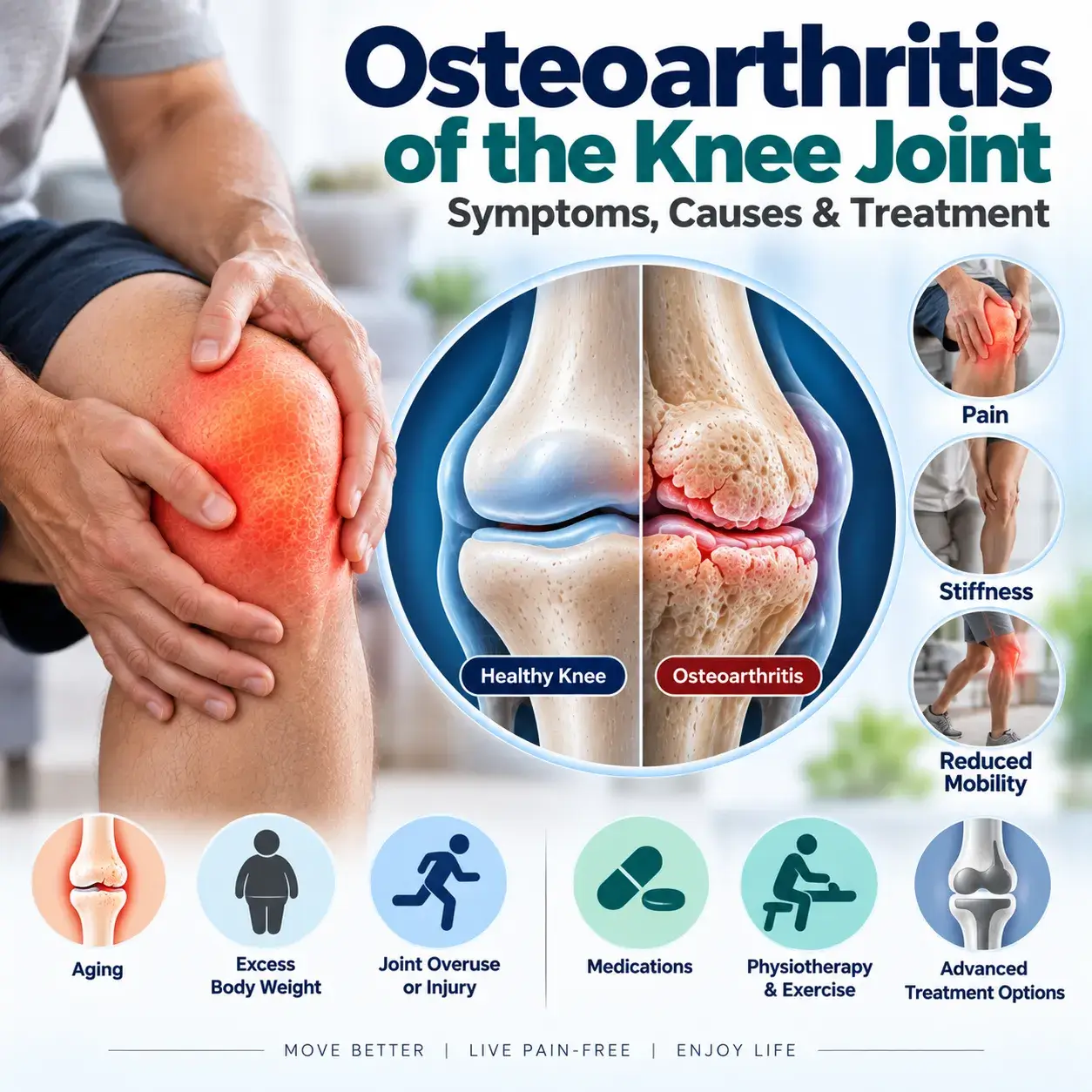
Osteoarthritis of the Knee Joint – Symptoms, Causes & Treatment
The knee joint is formed by the upper end of the shinbone (tibia), the lower end of the thighbone (femur), and the kneecap (patella). Smooth, slippery cartilage covers the ends of these three bones and cushions the knee joint when you move, straighten, or bend your knee. The synovial membrane lines the joint and releases fluid that lubricates the cartilage and reduces friction. This lubrication allows the bones to move smoothly and helps protect the joint during everyday activities.
Osteoarthritis of the knee
Between joints a natural cushioning cartilage is present. It acts just like a shock absorber. Over time this soft cartilage wears away resulting in a condition known as osteoarthritis. It is also known as wear-and-tear arthritis. When the cartilage wears away over time, the bones of the joint come closer and begin to rub against each other.
As the cartilage wears away and is lost, it becomes rough. When this happens, the space between the bones decreases resulting in bones rubbing against each other and the formation of painful bone spurs
Osteoarthritis usually develops slowly, and the pain it causes worsens over time.
The loss of cushioning results in friction as the bones rub and cause joint pain, swelling, stiffness, and diminished ability to move.
Most commonly osteoarthritis affects these joints: hands, knees, hips, and spine.
What are the signs and symptoms of Osteoarthritis of the knee?
Osteoarthritis is a progressively degenerative joint condition. The symptoms manifest slowly and worsen over time.
Joint pain is the most common symptom. It becomes severe with activity and movement.
Joint stiffness: easily observable after remaining inactive for some time or waking up from sleep.
Swelling: mostly seen around the joint due to soft tissue inflammation.
Popping or crackling sound or grating sensation while moving the knee joint
Restricted movement and loss of flexibility in the knee joint.
Difficulty in moving the joint through a full range of motion.
Tenderness: when you apply light pressure, you can feel it.
Who gets osteoarthritis of the knee joint?
This type of arthritis is common. Young people too can get it, but the risk most likely increases after age 45 and in older people. Compared to men women are more likely to get this condition.
What are the risk factors for osteoarthritis of the knee joint?
Age is the most common risk factor for osteoarthritis. There is some degree of risk for osteoarthritis for all with advancing age. However, excess body weight; family history due to hereditary predisposition; gender (being women), and repetitive stress injuries can increase the risk manifolds.
People who participate in long-distance running, tennis, soccer, and hockey face a higher risk of developing osteoarthritis. Rheumatoid arthritis, certain metabolic disorders, excess growth hormone, or iron overload can also increase the risk.
What should you do to manage osteoarthritis symptoms?
Although joint damage cannot currently be reversed, you can manage the symptoms. To minimize the effects of arthritis, stay active, maintain a healthy body weight, and perform physical exercises under the supervision of an experienced physiotherapist. These measures can help slow the progression of osteoarthritis while improving joint mobility and function and reducing pain.
How is arthritis diagnosed?
Your orthopedic doctor examines your joints for tenderness, swelling, redness, or warmth. The doctor also checks your joint stability and range of motion. In addition, the doctor checks for pain while you bear weight, previous injuries, and movement problems. The doctor may also check for a grating sensation when you move the joint.
After a physical examination, your orthopedic doctor may order X-rays and other imaging tests.
Treatment for Arthritis
Your doctor initially recommends non-surgical treatment based on the severity of your condition – mostly when it is mild to moderate. Your orthopedic doctor will recommend:
- Lifestyle modifications: weight reduction, involvement in low-impact activities such as swimming or cycling.
- Minimizing activities such as climbing stairs, and high-impact activities such as tennis, jogging, and other sports.
- Physical therapy to help improve flexibility and a range of motions
- Assistive devices such as supportive or unloader braces, use of a cane, or wearing plastic bandages.
- Over-the-counter medications or cortisone injections.
Surgical Treatment
Your doctor may recommend surgery if arthritis pain causes disability and nonsurgical treatments do not provide enough relief. In such cases, your orthopedic surgeon may recommend surgery when other treatment options fail to control your symptoms adequately. There are different surgical procedures and techniques based on the severity of your condition. It is better to consult your orthopedic doctor to know which is the best procedure in your case.
