Avascular Necrosis Causes & Treatment
Avascular necrosis causes | Dr. Praharsha Mulpur Explains
Lack of blood supply to a bone results in the death of bone tissue. This condition is known as avascular necrosis or osteonecrosis. The condition can lead to minute breaks in the bone – which gradually cause the bone to collapse over a period of time. The process of bone damage may take several months to years. When a bone breaks or a joint dislocates, it can lead to blockage of blood flow to a section of the bone. Excessive and long-term use of certain medications, high-dose steroids, and alcohol can also cause avascular necrosis. Avascular necrosis can affect anyone, but it is most common in people between 30 to 50 years of age.
Avascular necrosis Causes
When the blood supply to a bone or joint is reduced, interrupted, or blocked – avascular necrosis occurs. The cause of a reduced blood supply can be:
Injury or trauma: bone fracture, bone injury or trauma, or a dislocated joint can damage nearby blood vessels. Radiation therapy can also weaken bones and damage blood vessels.
Medical conditions such as Gaucher’s disease and sickle cell anemia can reduce blood flow to bones.
Fatty deposits in blood vessels: lipids and fats accumulate and lead to the formation of plaque that blocks small blood vessels and reduces blood flow to bones.
Medical conditions associated with avascular necrosis include:
Sickle cell anemia, Systemic lupus erythematosus, HIV/AIDS, Gaucher’s disease, Pancreatitis, Certain types of cancer, such as leukemia and divers’ disease (Decompression sickness)
Symptoms
Avascular necrosis can affect the hip, thighs, buttocks, groin, shoulder, knee, hand, and foot. The condition develops gradually and can cause mild to severe pain. In cases involving the hip, patients typically feel pain around the buttock, groin, and thigh. Avascular necrosis of the hip and knee is common. It can affect one or both hips or knees.
Complications
Avascular necrosis can progressively become severe and worsen over time. As the condition progresses, the bones can become weak and eventually collapse. Furthermore, untreated avascular necrosis can lead to severe arthritis and significantly affect joint function.
Diagnosis
To determine the extent of the condition, your orthopedic doctor will perform a physical examination by pressing on your joints and checking for tenderness. In addition, the doctor will move your joints through different positions to determine whether you have restricted joint movement.
Furthermore, imaging tests can help your doctor identify changes in the affected bone.
X-rays: In particular, X-rays can help detect bone changes during the later stages of avascular necrosis.
In the early stages, X-rays usually don’t reveal bone changes or any issues in the bones.
CT and MRI Scans: These scans show early changes in the bones that are indicative of avascular necrosis. MRI and Ct scans produce detailed images.
A bone scan after injecting radioactive material into a vein helps in spotting the damaged or injured parts of the bones. On an imaging plate, these spots appear as bright spots.
Treatment
Early detection of the condition helps in giving effective treatment in the initial stages of bone damage. Doctors prescribe over-the-counter pain-relieving medicines and drugs to slow down the progress of avascular necrosis. If the cause of blockage is excess cholesterol and fat deposits then cholesterol-lowering drugs and blood thinners are prescribed. Taking rest as advised by the doctor and exercising under the supervision of a physiotherapist help maintain or improve movement in the joint.
Surgical treatment: Core decompression, bone reshaping (osteotomy), bone transplant (graft), and joint replacement are the surgical treatment options.
Bottom Line
You should consult an orthopedic doctor for any ongoing joint pain – especially when the pain is persistent. You must immediately seek emergency medical care for a possible dislocated joint or broken bone.
Pseudogout Symptoms, Causes & Risks
Pseudogout causes & Symptoms | Dr. Praharsha Mulpur
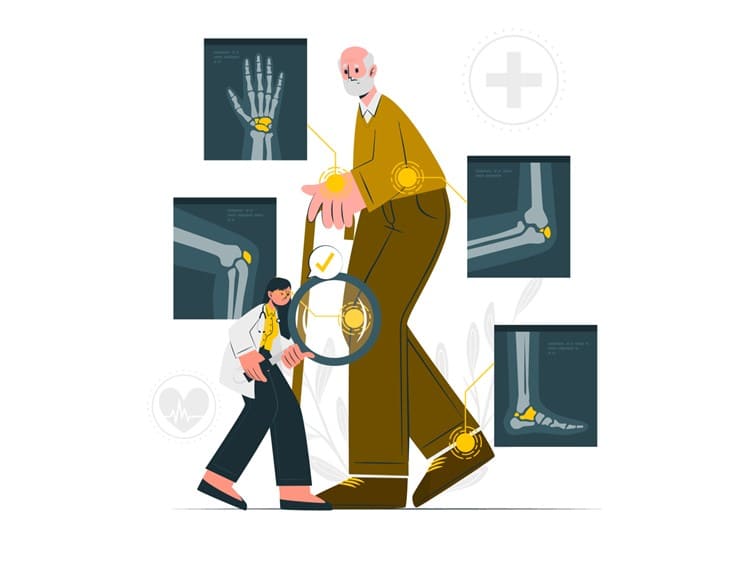
Pseudogout or calcium pyrophosphate deposition disease (CPPD) is a condition in which you have sudden and painful swelling in one or more joints. It can last for around a few days to weeks. The condition is commonly known as pseudogout because it looks similar to gout. The other common feature of both these conditions is the deposition of crystals within a joint though the type of crystals differs for each condition.
What are the symptoms of pseudogout?
The signs and symptoms associated with pseudogout include warm, swollen, and severely painful joints. The episodes may last for a few days to weeks. Pseudogout mostly affects the knees. It may also affect other joints, but ankles and wrists are affected less often.
What are the causes of pseudogout?
Pseudogout causes: The most prominent reason for this condition is due to deposition of calcium pyrophosphate dihydrate crystals in the affected joint of the body (most commonly in the knee joint). The condition is mostly associated with advancing age as older adults and people above age 65 to 70 years develop pseudogout. However, a majority of elderly people who have crystals in their joints never develop this condition. In addition, some people may have symptoms and others don’t have any symptoms at all.
What are the risk factors for pseudogout?
Age is a major risk factor. And also, the condition runs in families (genetic predisposition). This means people have a strong hereditary tendency to develop this condition. In addition, any serious accidental injuries, joint trauma, or post-surgical injury may also increase the risk of developing pseudogout.
Pseudogout causes: Certain medical conditions – such as underactive thyroid or an overactive parathyroid gland and mineral imbalances (excess iron or calcium in the blood or magnesium deficiency) can also increase the risk.
Bottom Line
The deposition of calcium crystals in the joints can damage the joints and cause stiffness, restricted mobility, and severe pain. The symptoms associated with pseudogout mimic the signs and symptoms of osteoarthritis or rheumatoid arthritis.
You should meet Dr. Praharsha Mulpur if you have sudden and severe pain, warmth, and swelling in your joints – especially in your knee joints. The symptoms may also be due to other joint conditions. Therefore, to rule out other joint conditions, a comprehensive physical and clinical examination and evaluation of the condition based on the symptoms is important.
Fibromyalgia – Causes & Treatment
Fibromyalgia treatment in Hyderabad | Dr. Praharsha Mulpur
Fibromyalgia is a condition characterized by widespread musculoskeletal pain associated with fatigue, sleep, memory, and mood problems. Researchers believe that fibromyalgia increases painful sensations by affecting how the brain and spinal cord process painful and non-painful signals. Symptoms often begin after events such as Physical trauma, surgery, infection, or significant psychological stress. In other cases, symptoms gradually accumulate over time without a single triggering event occurring. Many people with fibromyalgia also experience tension headaches, temporomandibular joint disorders (TMJ), irritable bowel syndrome, anxiety, and depression. There is no cure for fibromyalgia, but various drugs can control symptoms. Exercise, relaxation, and measures to reduce stress can also help.
Fibromyalgia Symptoms
The main symptoms of fibromyalgia include:
Widespread pain
Fibromyalgia Symptoms
People with fibromyalgia often describe the pain as constant and dull, lasting for at least three months. Doctors consider the pain widespread when it affects both sides of the body and occurs above and below the hips.
Malaise: People with fibromyalgia may feel generally unwell or exhausted.
Sleep Problems: People with fibromyalgia may sleep for long hours but still wake up feeling tired. Pain can disturb their sleep, and many people also experience sleep disorders such as restless leg syndrome and sleep apnea.
Cognitive Difficulty: People often refer to this problem as “fibro fog.” It can affect concentration, attention, and the ability to focus on mental tasks.
Fibromyalgia often occurs alongside other conditions, including irritable bowel syndrome, chronic fatigue, migraines and other types of headaches, interstitial cystitis, and painful bladder syndrome.
Fibromyalgia Causes
Many researchers believe that repeated nerve stimulation in people with fibromyalgia can cause changes in the brain and spinal cord. These changes can increase the levels of certain chemicals in the brain that transmit pain signals. In addition, pain receptors in the brain may become more sensitive and develop a stronger response to pain signals.
Several factors may contribute to these changes, including genetics. Because fibromyalgia can run in families, certain genetic mutations may increase a person’s likelihood of developing the condition. Furthermore, some disorders may trigger or worsen fibromyalgia.
Physical or Emotional Events: Physical events, such as car accidents, can trigger fibromyalgia.
Persistent psychological stress can also trigger fibromyalgia.
Risk factors for fibromyalgia
your gender
Fibromyalgia is diagnosed more often in women than in men.
Family history- If you have a parent or sibling who also has fibromyalgia, you are more likely to develop fibromyalgia.
If you have osteoarthritis, rheumatoid arthritis, or lupus, you are more likely to develop fibromyalgia.
Complications
The pain, fatigue, and poor-quality sleep associated with fibromyalgia can affect your ability to function at home and at work. It can also lead to pain-related anxiety.
Diagnosis
In the past, doctors would check 18 specific points on a person’s body to see how much those points hurt when pressed hard. New guidelines from the American College of Rheumatology do not require a tender point test. Instead, the main factor required for a diagnosis of fibromyalgia is pain that has spread throughout the body for at least 3 months. To meet the criteria, there must be pain in at least 4 of these 5 areas: upper left region including shoulders, arms, or chin upper right region including shoulder, arm, or chin lower left region including hips, buttocks, or legs lower right region including hips, buttocks or legs. Axial regions including neck, back, chest, or abdomen test. Doctors may want to rule out other conditions with similar symptoms.
Blood tests include complete blood count, erythrocyte sedimentation rate, cyclic citrullinated peptide assay, and rheumatoid factor. Other tests include thyroid function tests, antinuclear antibody serology, and vitamin D test.
Fibromyalgia Treatment in Hyderabad
In general, fibromyalgia treatment includes both medication and self-care therapy. The focus is on minimizing symptoms and improving overall health. There is no cure for every symptom, but trying different treatment strategies can have cumulative effects. Medications can help relieve fibromyalgia pain and improve sleep. The common choices include over-the-counter pain relievers, muscle relaxants, and other prescription medicines. In addition, physical therapy, exercise, and other lifestyle and dietary modification can also help improve the condition.

7 Common Causes of Hand pain
Hand Pain Causes
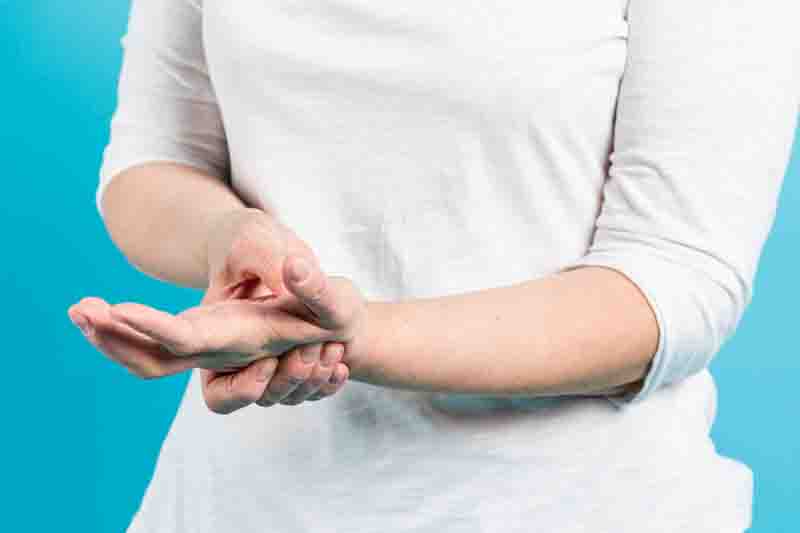
Human hands are complex structures with different types of bones. The joints and muscles in the hand help in allowing dexterous movements, gripping, and grasping ability. However, hand joints are susceptible to injuries. There are many causes of hand pain as different conditions can contribute to hand pain. Therefore, treatment depends on the cause and it may range from making lifestyle changes, to exercise and medications.
Hand pain causes
Hand pain reasons: Hand pain can begin in different parts of the complex structure such as nerves, tendons, connective tissues, joints, and bones. Among the several known causes of hand pain, these are the common ones: fractures and strains, repetitive hand movement-related injuries, nerve damage, inflammation, and many other chronic conditions such as rheumatoid arthritis, lupus, and others.
Some of the common hand pain causes include:
Peripheral neuropathy: It is associated with pain, weakness, and numbness in the hands. The causes include infections, metabolic problems, diabetes, and traumatic injuries.
Common symptoms include burning, freezing, throbbing, and sharp pain in the hands and feet; tingling sensation in hands and feet, extreme sensitivity in hands, and weakness.
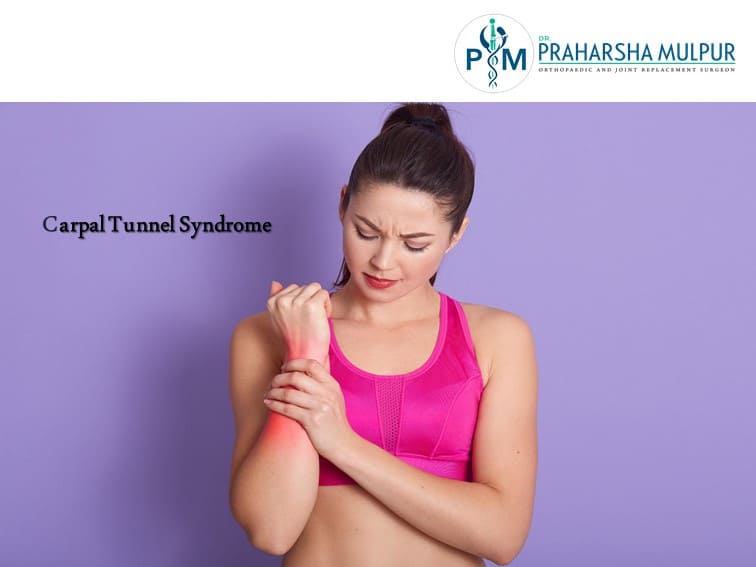
Carpal Tunnel Syndrome
The median nerve runs through a tunnel-like passage of bone and ligament located at the base of the hand. Tendons responsible for moving your fingers also pass through this passageway. Squeezing of this median nerve due to a narrowing carpel tunnel can cause this condition. It happens when there is inflammation or irritation of tendons that causes swelling in the area.
The symptoms include frequent numbness, tingling, itching, and burning sensation in the palm of the hand and fingers. You will feel pain in the index and middle finger and around the thumb.
The other symptoms of carpal tunnel syndrome include reduced grip strength; stiffness and pain in the hand or wrist in the morning; pain during the night; difficulty feeling hot and cold sensations; difficulty in performing certain tasks and trouble grasping small objects.
Some of the common treatments for this condition include using ice and cold packs; avoiding certain activities; using splints; taking OTCs, stretching, and exercises; taking oral steroids or injections; and, in severe cases, surgery remains the best treatment option.
Arthritis
Arthritis is an inflammatory condition of the joints. There are different types of arthritis, but osteoarthritis and rheumatoid arthritis are the most common.
Osteoarthritis is a progressively deteriorating bone and joint condition that mostly affects older adults. The cartilage that covers the ends of bones is damaged due to wear and tear. When this happens the symptoms gradually manifest.
In rheumatoid arthritis, stiffness and joint inflammation leading to pain. It affects many joints of the body, but most commonly the joints of the hand and feet are affected.
Symptoms of arthritis include swelling around joints, morning stiffness and pain in the joints; pain due to overuse of joints; repetitive motion, burning pain or dull pain in the joints of wrist and fingers; small cysts on the end of fingers; overextensions (changes in joints); grating, grinding or looseness sensations around finger joints.
Treatment includes medication to relieve pain and swelling; use of splints during the time of overuse; physical or occupational therapy; use of long-lasting anesthetics or steroids.
Regular stretching and strengthening exercises help maintain healthy joints and improve hand function.
Lupus
It is an autoimmune disorder. The initial signs include joint pain, stiffness, and progressive inflammation. The other symptoms include fatigue, muscle pain, hair loss, an unexplained fever, swelling around the eyes or legs, and pale or purple fingers or toes.
Treatment can help manage the condition. It includes pain-relieving medications, the use of a warm or cold compress, physical therapy; avoiding painful activities, and resting painful joints.
Gout
It is an extremely painful joint condition and a complex type of arthritis. Most commonly it affects the joint at the base of the big toe, but it can also occur in the hands and wrists as well. The pain becomes unbearable and wakes you up at the night. In severe bouts of attacks, you will experience burning pain, redness, and tenderness. There are medicines to treat this condition.
Ganglion cysts
They look like a lump or mass coming out of the back of the wrist. They look unsightly but are not painful. When they become large, they can put pressure on the nerves and cause numbness, tingling, and pain in and around the hand or wrist.
These cysts usually don’t do any harm as they can go away with time. Using splints and taking rest can reduce their size. However, if they become large and cause pain, your orthopedic doctor will remove them.
De Quervain’s tenosynovitis
In this condition, tendons around the base of the thumb swell and cause inflammation. You will experience pain, numbness, and swelling around the base of the thumb due to the build-up of pressure on the nerves.
Symptoms of de Quervain’s tenosynovitis include swelling near the base of the thumb, pain around the thumb-side of the wrist; trouble making a pinching motion or grasping something.
The treatment for this condition may include the application of cold or ice packs; splinting; avoiding pinching motions and painful tasks; taking OTCs; occupational or physical therapy; use of steroid injection and in severe cases, surgery.
Bottom Line
In addition to these, there are many more hand pain causes, if you have any of the above symptoms related to your hand and wrist, don’t delay in seeking medical help. Consult Dr. Praharsha Mulpur for a comprehensive diagnosis and effective treatment of your hand pain.
Bone and Joint Conditions in Diabetes- Part 2
Diffuse idiopathic skeletal hyperostosis (DISH)
Diabetes and Bone Problems Another skeletal disease associated with type 2 diabetes is Diffuse idiopathic skeletal hyperostosis (DISH). In this condition, so the ligaments and tendons harden. This occurs mostly in the spine region. In this condition, insulin or insulin-like growth factors promotes new Bone Growth.
What are the symptoms of Bone Problems?
Because DISH mostly affects the spine. In this case, you may experience stiffness in the neck or back. In general, in this condition, you may experience decreased range of motion, stiffness, or pain in the affected part of the body.
How is DISH treated?
Treatment involves managing symptoms, usually with pain relievers such as ibuprofen and acetaminophen, and corticosteroid injections.
Dupuytren’s contracture
Scarring and thickening of connective tissue in the palm of the hand cause Dupuytren’s contracture. But one or more fingers bent towards the palm due to deformity. People with diabetes have this condition if they have had uncontrolled diabetes for a long time. The condition may be due to metabolic changes related to diabetes.
What are the symptoms of Diabetes related bone Problems?
Diabetes and Bone Problems Skin on the palm of the hand thickens leading to stiffness of the palm and fingers of the hand. It is difficult to fully straighten one or more fingers.
How is it treated for Diabetes Problems?
This condition, in severe cases, makes it difficult for you to perform daily activities – such as grasping objects. Therefore, doctors perform a minimally invasive procedure called aponeurotomy to break apart the thick skin tissue. Collagenase enzyme injection and surgery are the other treatment options. Doctors give steroid injections to help reduce pain and inflammation.
Frozen shoulder
This condition commonly affects one shoulder. o The most common risk factor for this condition is diabetes although a well-established cause is often unknown.
People often approach an orthopedic doctor if they experience mild to moderate pain, stiffness and restricted movement in the shoulder joint. The doctor may give glucocorticoid injections to ease symptoms if they are severe. However, physical therapy is beneficial. It helps in easing movement and preserves a wide range of motion in the shoulder joint.
Osteoarthritis
In this degenerative joint disorder, joint cartilage breaks down. Osteoarthritis can affect any joint in the body. People with uncontrolled and long-time diabetes have an increased risk of developing osteoarthritis. Excess body weight (obesity) is the major risk factor for type 2 diabetes.
Symptoms of Osteoarthritis
Swelling and stiffness, joint pain, and also loss of joint flexibility or movement are some of the common symptoms of osteoarthritis.
Treatment for Diabetes and Bone Problems
Maintaining healthy body weight, involvement in regular exercise, resting and taking care of the affected joint, medication for relieving pain and physical therapy may help ease symptoms. To manage pain, massage therapy and acupuncture may be helpful. In severe cases of hip and knee osteoarthritis, hip and knee replacements may be recommended.