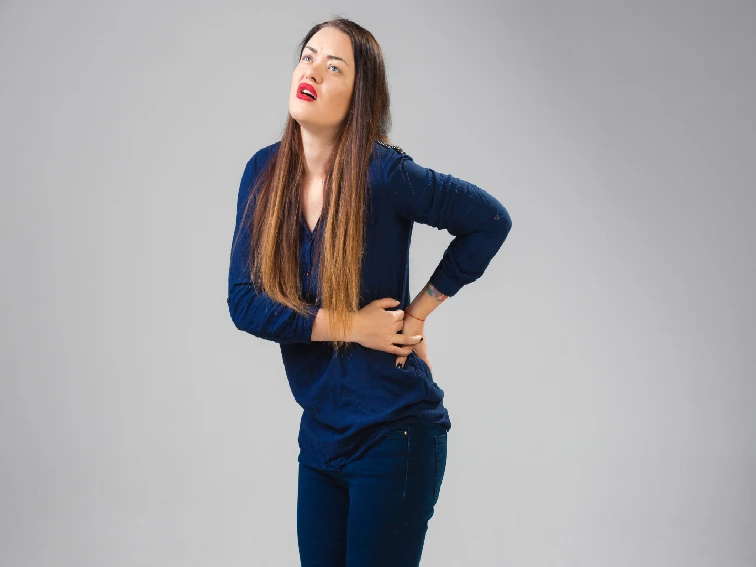
Snapping Hip Syndrome: Causes, Symptoms, and Treatment
Here is your passage with natural transition words added to improve the Yoast transition-word score while keeping the original meaning and structure:
When it comes to hip-related issues, one condition that often perplexes individuals is Snapping Hip Syndrome. Therefore, this article aims to shed light on the condition, its causes, symptoms, diagnosis, treatment options, and prevention techniques. In addition, understanding the intricacies of Snapping Hip Syndrome can help individuals take appropriate steps to manage its impact on their daily lives.
Understanding Snapping Hip Syndrome
Snapping Hip Syndrome, also known as coxa saltans or dancer’s hip, is a condition characterized by a snapping sensation or sound in the hip joint during certain movements. In particular, it occurs when a muscle, tendon, or ligament moves across a bony prominence in the hip joint. As a result, this movement causes a snapping sensation that may be audible or palpable.
For example, people with this syndrome may hear a snapping sound when they get up from a chair or bed, walk, run, or move their legs. In most cases, the main symptom involves a snapping sound or sensation during movement. However, performers such as sportspersons, athletes, and dancers may also experience pain and weakness that can interfere with their performance.
Definition and Causes
To understand the condition more clearly, doctors classify Snapping Hip Syndrome into three main categories based on its causes: internal, external, and intra-articular. First, internal snapping occurs when the iliopsoas tendon moves over the iliopectineal eminence or femoral head. In contrast, external snapping occurs when the iliotibial band slides over the greater trochanter. Finally, intra-articular snapping involves structures within the hip joint, such as loose bodies or labral tears.
2. Types of Snapping Hip Syndrome
There are two primary types of Snapping Hip Syndrome: extra-articular and intra-articular. Extra-articular snapping is more common and typically caused by the iliotibial band or the iliopsoas tendon. Intra-articular snapping is less prevalent and often associated with structural abnormalities within the joint.
Symptoms and Diagnosis
3.1 Audible Snapping
One of the hallmark symptoms of Snapping Hip Syndrome is an audible snapping sound. This sound may occur during certain movements, such as walking, running, or getting up from a chair. The snapping can be accompanied by a visible movement or jerk in the hip.
3.2 Pain and Discomfort
Here is the active-voice version, with the passive constructions removed:
In addition to the audible snapping, individuals with Snapping Hip Syndrome may experience pain or discomfort. This pain can range from mild to severe and may affect the hip joint or spread to other areas, such as the thigh or buttock.
3.3 Physical Examination and Imaging
To diagnose Snapping Hip Syndrome, a healthcare professional will conduct a physical examination and ask about the patient’s medical history. The healthcare professional may also use imaging techniques, such as X-rays, ultrasound, or magnetic resonance imaging (MRI), to identify structural abnormalities or rule out other conditions.
Treatment Options
4.1 Conservative Approaches
In most cases, conservative treatment approaches are sufficient to manage Snapping Hip Syndrome. This may involve rest, activity modification, applying ice, and the use of non-steroidal anti-inflammatory drugs (NSAIDs) to reduce pain and inflammation.
4.2 Physical Therapy
Physical therapy plays a crucial role in the treatment of Snapping Hip Syndrome. Therapeutic exercises, such as stretching and strengthening routines, can improve flexibility, stability, and muscle imbalances around the hip joint. Manual therapy techniques, such as massage and joint mobilization, may also be employed to alleviate symptoms.
4.3 Surgical Intervention
In rare cases where conservative treatments fail to provide relief, surgical intervention may be considered. The type of surgery depends on the underlying cause of the snapping and may involve releasing or repairing the affected structures.
In hip arthroscopy, an orthopedic surgeon uses small and thin instruments ( arthroscope) by making small incisions. The procedure is most often performed to repair fragments of a torn labrum.
Prevention and Management
5.1 Warm-up and Stretching
To prevent or manage Snapping Hip Syndrome, individuals should engage in a proper warm-up routine before physical activities. Dynamic stretching exercises specific to the hip joint can help improve flexibility and reduce the risk of snapping.
5.2 Strengthening Exercises
Strengthening exercises focusing on the hip muscles can enhance joint stability and prevent excessive movement that may contribute to snapping. These exercises may include hip abductor, adductor, and gluteal strengthening routines.
5.3 Rest and Recovery
Allowing the hip joint sufficient time to rest and recover between activities is crucial. Overuse or repetitive movements can exacerbate snapping symptoms, so individuals should listen to their bodies and avoid activities that cause discomfort.
Conclusion
Snapping Hip Syndrome can be a bothersome condition, but with the right understanding and management strategies, individuals can regain control over their hip health. By adopting a comprehensive approach that includes conservative treatments, physical therapy, and preventive measures, individuals can reduce pain, improve functionality, and enjoy an active lifestyle.
FAQs
- Can Snapping Hip Syndrome go away on its own?
While some cases of Snapping Hip Syndrome may resolve on their own with rest and activity modification, others may require treatment and intervention.
- Is Snapping Hip Syndrome more common in athletes?
Snapping Hip Syndrome can occur in individuals of all activity levels, including athletes, dancers, and sedentary individuals.
- Can Snapping Hip Syndrome lead to long-term complications?
If left untreated or ignored, Snapping Hip Syndrome may lead to chronic pain, hip joint instability, or the development of other hip conditions.
- Are there any exercises that can worsen Snapping Hip Syndrome?
Certain exercises that involve repetitive hip movements or excessive stress on the joint may worsen snapping symptoms. It is best to consult with a healthcare professional or physical therapist for personalized guidance.
- Can Snapping Hip Syndrome be prevented?
While not always preventable, adopting proper warm-up routines, engaging in strengthening exercises, and allowing adequate rest and recovery can help reduce the risk of developing Snapping Hip Syndrome.
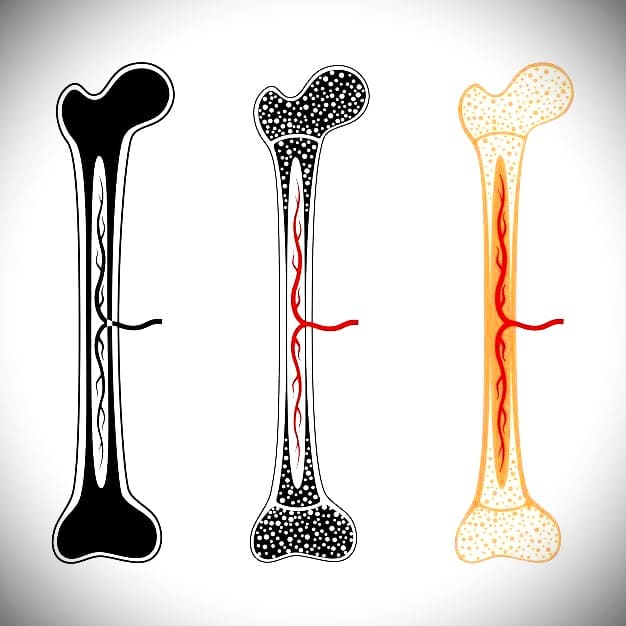
Osteomalacia – Causes, Symptoms & Treatment
Osteomalacia treatment: knowing the cause is important – Dr. Praharsha Mulpur
Here is a direct copy-paste version with natural transition words added, while keeping your original content and structure:
1. Osteomalacia Introduction
1.1 Osteomalacia
Osteomalacia is a condition that affects the bones, causing them to become soft, weak, and prone to fractures. In adults, osteomalacia primarily affects the bones and differs from rickets, which represents the equivalent condition in children. As a result, the bones may lose density and strength when they do not mineralize properly. Therefore, understanding the causes of osteomalacia can help identify potential risk factors and support timely medical evaluation.
2. Causes of Osteomalacia
2.1 Vitamin D Deficiency
Vitamin D plays a crucial role in maintaining adequate levels of calcium and phosphate in the body. However, a deficiency of vitamin D can occur due to limited sunlight exposure, inadequate dietary intake, or problems with vitamin D absorption or metabolism. As a result, the body may struggle to maintain the minerals needed for healthy bone development and strength.
2.2 Malabsorption Disorders
In addition, certain gastrointestinal disorders, such as celiac disease, inflammatory bowel disease, and gastric bypass surgery, can interfere with the absorption of vitamin D and other nutrients necessary for bone health. Consequently, these conditions can contribute to inadequate nutrient levels and increase the risk of developing osteomalacia.
2.3 Renal tubular acidosis
Renal tubular acidosis is a kidney disorder that can affect the body’s ability to maintain the appropriate balance of acids and bases. This condition can lead to impaired vitamin D metabolism and subsequent osteomalacia.
3. Symptoms and Signs of Osteomalacia
The symptoms of osteomalacia can vary from mild to severe and may develop gradually over time. Common signs and symptoms include:
3.1 Bone pain
Individuals with osteomalacia often experience deep, aching bone pain. The pain is typically worse at night and interferes with daily activities.
3.2 Muscle weakness
Muscle weakness is another common symptom of osteomalacia. In addition, it can affect various muscle groups and, as a result, make tasks that require strength and coordination more difficult.
3.3 Skeletal deformities
In severe cases of osteomalacia, skeletal deformities may develop. These deformities can affect the legs, spine, and other bones, causing abnormalities in posture and gait.
4. Diagnosis of Osteomalacia
4.1 Blood Tests
First, doctors can use blood tests to measure substances related to bone health, including vitamin D, calcium, phosphate, and alkaline phosphatase. In particular, low vitamin D levels and abnormalities in other parameters can indicate osteomalacia.
4.2 Bone Density Scans
In addition, bone density scans, such as dual-energy X-ray absorptiometry (DXA), can help assess bone density and strength. As a result, these scans may reveal reduced bone mineral density, which can support the evaluation of osteomalacia.
4.3 X-rays
Furthermore, doctors may use X-rays to identify skeletal deformities or fractures associated with osteomalacia. However, X-rays alone may not provide a definitive diagnosis. Therefore, your doctor may recommend additional tests to evaluate the condition more accurately.
5. Osteomalacia Treatment Options
Once doctors identify osteomalacia, treatment focuses on addressing the underlying cause and supporting bone health. Depending on the cause and severity, your doctor may recommend the following treatment options.
5.1 Vitamin D and Calcium Supplements
First, vitamin D and calcium supplements commonly form part of osteomalacia treatment. In this way, supplementation can help correct deficiencies and support bone mineralization. However, the dosage and duration depend on the severity of the condition and your individual needs.
5.2 Sun Exposure
In addition, sunlight provides a natural source of vitamin D. Therefore, adequate sunlight exposure, particularly during the early morning or late afternoon when the sun feels less intense, can help your body produce vitamin D.
5.3 Dietary Changes
Furthermore, a balanced diet rich in vitamin D and other essential nutrients can support bone health. For example, fatty fish, fortified dairy products, egg yolks, and mushrooms can contribute to vitamin D intake. As a result, maintaining a nutritious diet can complement other measures used to support healthy bones.
6. Complications of Osteomalacia
6.1 Fractures
Weakened bones in osteomalacia are more susceptible to fractures, even with minimal trauma. Fractures can occur in various bones, including the hips, wrists, and spine.
6.2 Mobility issues
Muscle weakness and skeletal deformities associated with osteomalacia can affect mobility and lead to difficulties in walking, climbing stairs, and performing daily activities.
6.3 Chronic pain
Chronic pain is a common complication of osteomalacia. Persistent bone and muscle pain can significantly impact the quality of life and require proper management.
7. Prevention of Osteomalacia
7.1 Adequate sunlight exposure
Regular exposure to sunlight, especially during the times when the sun is less intense, helps the body produce vitamin D. Spending time outdoors and engaging in outdoor activities can support optimal vitamin D levels.
7.2 Balanced diet
A well-balanced diet that includes sources of vitamin D, calcium, and other essential nutrients is important for maintaining bone health. Incorporating foods such as fatty fish, dairy products, fortified cereals, and leafy greens can contribute to adequate nutrient intake.
7.3 Regular exercise
Regular exercise, particularly weight-bearing exercises like walking, jogging, and strength training, can help maintain bone density and strength. It is important to consult with healthcare professionals or trainers to determine appropriate exercise routines.
8. Living with Osteomalacia
8.1 Pain management techniques
Managing pain associated with osteomalacia often requires a multifaceted approach. This may include medications, physical therapy, heat or cold therapy, and relaxation techniques.
8.2 Physical therapy
Physical therapy can help improve muscle strength, flexibility, and overall physical function. A physical therapist can design an exercise program tailored to the individual’s needs and capabilities.
8.3 Support groups
Joining support groups or connecting with others who have osteomalacia can provide emotional support, share experiences, and offer coping strategies. Online forums and local community organizations can be valuable resources.
9. Osteomalacia in Children and Adults
9.1 Rickets in children
Rickets is a similar condition to osteomalacia but occurs in children. It is characterized by soft and weak bones due to vitamin D deficiency or impaired metabolism. The symptoms, diagnosis, and treatment of rickets are similar to those of osteomalacia.
9.2 Osteomalacia in Adults
Osteomalacia primarily affects adults, especially those with underlying conditions or risk factors. The treatment and management strategies for osteomalacia in adults are similar to those mentioned earlier in the article.
Conclusion
Osteomalacia is a condition characterized by the softening and weakening of bones in adults. It is primarily caused by a deficiency of vitamin D or problems with its metabolism. Early diagnosis and appropriate treatment are essential to manage the symptoms, prevent complications, and improve the quality of life for individuals with osteomalacia. For the best osteomalacia treatment, meet Dr. Praharsha Mulpur.
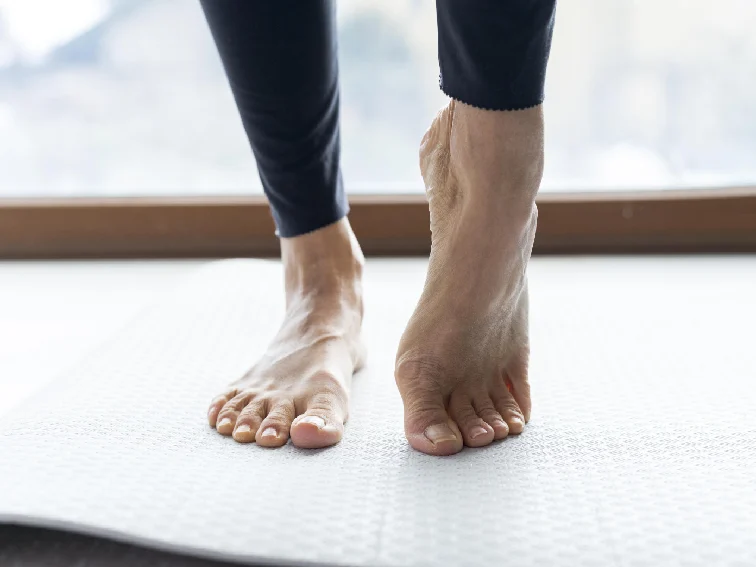
Foot Drop – Causes, Symptoms & Treatment
Foot drop treatment | Dr. Praharsha Mulpur
Foot drop is a medical condition that is not commonly encountered in primary care settings. There are various causes of foot drop. A thorough neurological examination, along with tests such as metabolic work-up, EMG/NCS, and imaging, typically helps in determining the correct diagnosis and appropriate treatment. Having a good understanding of the anatomy and physiology is crucial for arriving at an accurate diagnosis and managing the condition effectively. The purpose this information is to review the assessment, underlying mechanisms, and treatment options for foot drop, emphasizing the importance of a collaborative healthcare team in evaluating, managing, and potentially treating patients who present with foot drop symptoms.
Causes of foot drop
A knee injury has the potential to cause damage or compression of the peroneal nerve, which is responsible for controlling the muscles that lift your foot. It’s possible for this nerve to sustain damage during hip or knee replacement surgeries, albeit infrequently. Foot drop can also result from a pinched nerve or nerve root injury in the spine, which is more common among individuals with diabetes.
Foot drop can be attributed to various brain conditions, which include multiple sclerosis (MS), stroke, cerebral palsy, and Parkinson’s disease. Motor neuron disorders like polio, spinal muscular atrophy, and amyotrophic lateral sclerosis (also known as Lou Gehrig’s disease) can also result in foot drop. In rarer cases, muscle conditions such as muscular dystrophy or myositis can lead to foot drop. It’s important to note that individuals with these conditions typically experience additional muscular and/or neurological symptoms alongside foot drop.
Yoast is flagging the same sentence opening, so simply adding transition words isn’t the best fix. We should vary the sentence structure.
Use this:
Foot Drop Symptoms
Foot drop can lead to difficulties in walking because it makes lifting the front part of the foot difficult. As a result, you may find it harder to walk normally or maintain proper foot movement. In addition, some people may notice changes in their gait as they compensate for the difficulty lifting the foot.
Foot Drop Diagnosis
This removes the repetitive sentence openings and creates a smoother transition into the diagnosis section.
A nerve compression or a mass or excessive growth in the spinal canal or compression of a nerve in the knee due to a cyst or tumor can cause foot drop. X-rays helps in detecting bone growths or soft tissue masses. Doctors also recommend ultrasounds to detect cysts or tumors. In addition, to get detailed images of internal structures of soft tissues and bones, doctors use MRI test.
Foot Drop Treatment
The treatment for foot drop varies depending on its underlying cause, and early intervention can enhance the chances of recovery. Treatment options may include the following:
-
Here is the active-voice version, with the passive constructions removed while keeping your meaning:
-
Lightweight braces: Doctors commonly use these braces to support the leg and improve stability.
-
Shoe inserts (orthotics): You can use shoe inserts to improve foot alignment and function.
-
Physical therapy: A physical therapist can use exercises and techniques to strengthen the foot and leg muscles. As a result, these exercises may improve your ability to walk. In some cases, electronic devices that stimulate the leg nerves during walking may also help.
-
Surgery: In some cases, your doctor may recommend surgery to repair or decompress a damaged nerve. If foot drop becomes permanent, surgeons may fuse the foot and ankle joint or transfer tendons from stronger muscles to improve gait and stability.
-
Foot drop Treatment (exercises)
Several exercises can help alleviate symptoms and improve mobility for individuals with drop foot. Here are some examples:
Assisted toe raises:
- Position your affected foot on top of the non-affected foot.
- Utilize your non-affected foot to lift the affected foot upwards and then slowly lower it down.
- Repeat this motion around 10-15 times.
Ankle abduction and adduction:
- While seated, cross your affected leg over the non-affected leg.
- Place your hand on the toes and gradually move the foot up and down, ensuring that the ankle remains perpendicular to the floor.
- Repeat this exercise approximately 10 times.
Single leg stands:
- Hold onto the back of a chair for support and attempt to stand on your affected leg for 10-15 seconds at a time.
Ankle eversion and inversion:
- Keep your affected foot on the ground, lift the outer edge of the foot up, and then lower it down slowly.
- Next, try lifting the inner edge of the foot and lower it gradually.
- Repeat each of these exercises 10 times.
Ankle dorsiflexion:
- While seated, cross your affected leg over the non-affected leg.
- Use your hand to slowly dorsiflex your foot by moving the toes back towards the shin.
- Repeat this movement around 10-15 times.
Bottom line
Foot drop poses a risk of tripping, as the toes may catch on the floor. To minimize the chances of falls and potential injuries, it is prudent to take precautions within the home environment. Seeking professional advice can contribute to reducing the risks associated with foot drop and promoting a safer living environment. If you notice that your toes are dragging on the ground while you walk or you experience foot drop, it’s essential to seek foot drop treatment from an orthopedic specialist. Certain activities such as leg crossing, prolonged kneeling, or wearing a leg cast can raise the risk of developing foot drop. Therefore, if you’re at risk of foot drop, it’s vital to take preventive steps to reduce the likelihood of developing this condition.
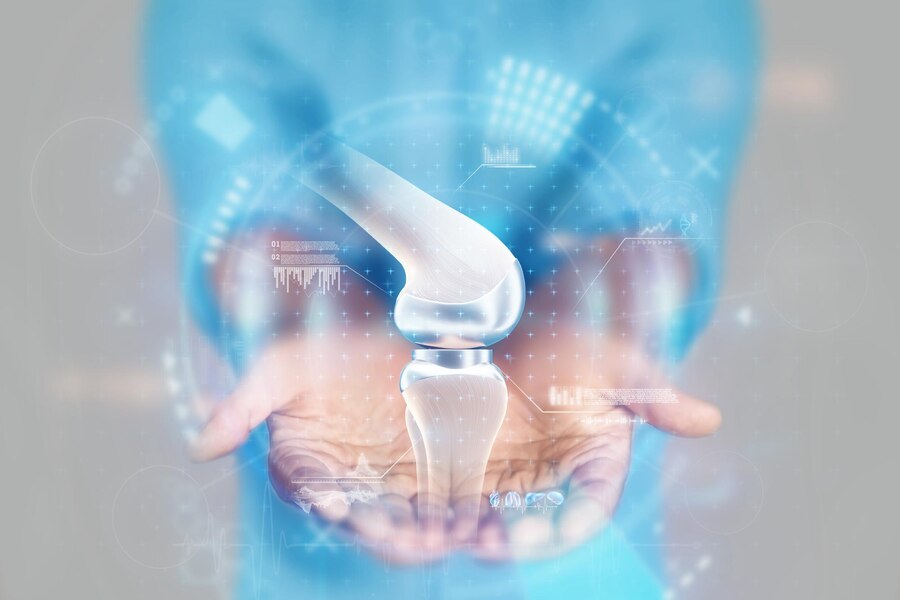
Is Robotic Knee Replacement Right for Me?
Is robotic knee replacement better | Dr. Praharsha Explains
Knee surgery may have been a tough decision for you, but it’s important to address your knee pain. If you have decided to undergo knee surgery to alleviate chronic pain, there is an advanced option available for you – knee replacement with the help of modern technology. KIMS Orthopedic Hospitals, located in Gachibowli, offers this advanced procedure that comes with several advantages. Dr. Praharsha Mulpur, a MAKO Certified Robotic Joint Replacement Surgeon.
According to Dr. Praharsha, undergoing joint replacement is a major decision, but it can be a suitable solution for individuals who are unable to lead a healthy and enjoyable life due to severe joint pain.
Is Robotic Knee Replacement Better & Safe?
Dr. Praharsha emphasizes that medical advancements have made joint replacement safer and more efficient than ever before. In addition, the utilization of computer navigation or robotic surgery has increased precision and resulted in successful outcomes for many patients.
Robotic Assisted Knee Replacement
Many people think that a robot independently performs robotic-assisted knee surgery. You must understand that a robotic doesn’t operate independently. An orthopedic surgeon who specializes in robotic surgery prompts the robotic arm to help assist in surgery. The surgeon makes all the decisions.
This cutting-edge technology offers a highly accurate method for conducting knee replacement surgery. By using a robotic technology, a personalized surgical plan can be created based on your specific anatomy.
Real Time Advantage
While performing the procedure, optical trackers and a camera work together to determine the precise location of your knee within the three-dimensional surgical space. As a result, this technology provides Dr. Praharsha with accurate information about the knee’s position. In addition, it enables him to make real-time adjustments to the surgical map to enhance joint alignment, balance, and knee movement.
Advantages of Robotic-Assisted Knee Replacement
One effective solution for preventing arthritis or other long-term damage from affecting your movement is to undergo knee replacement surgery. These factors can provide the reassurance you need.
Bottom Line
Dr. Praharsha Mulpur routinely performs robotic and computer-navigated knee replacement surgeries at KIMS Hospitals in Gachibowli.
If you are wondering whether Robotic total knee replacement surgery is the next step to get relief from your chronic joint pain,
Dr. Praharsha is here to help! Meet him personally for one-to-one discussion.
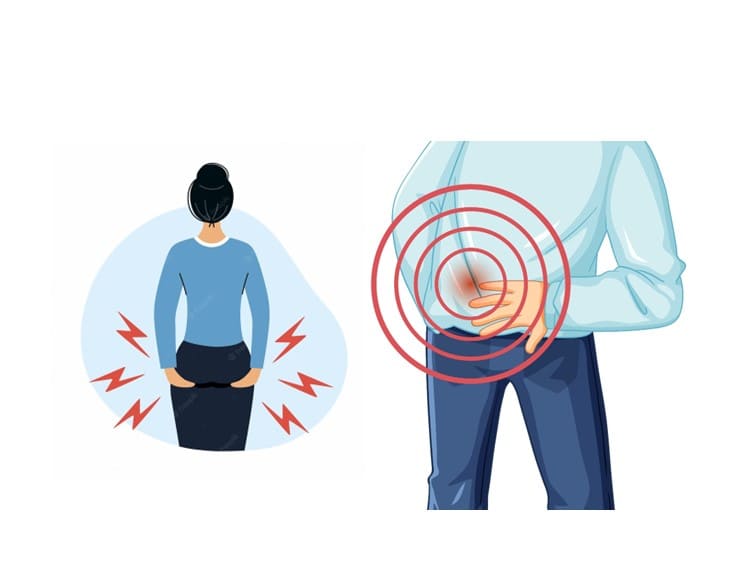
Can you explain what a hip labrum tear is?
Labral tear surgery Hyderabad
When someone tears the labrum of their hip, it means they have damaged the labrum, the cartilage in the hip socket. Your hip joint is a ball-and-socket joint that consists of a ball that rests on the femur (femoral head) and a socket that is part of the pelvis (acetabulum). The labrum helps keep the bones of the hip joint together and stable as you move. It also helps to hold the fluid together without friction. The degree of hip labrum tears varies. Sometimes there are small tears or abrasions on the edge of the hip labrum. This is usually caused by gradual wear and tear of the labrum. In other cases, part of the labrum of the hip joint may detach or be removed from the socket bone. This type of hip labrum injury is usually caused by trauma.
Hip labral tears can occur due to many reasons, although they are more common in athletes who participate in vigorous physical activity. Hip labral tears are commonly seen in women, as well as individuals with hip structure abnormalities such as hip dysplasia and other related medical conditions. Research indicates that up to 22% of athletes reporting groin pain are found to have hip labral tears.
What causes hip labrum tears?
Hip fractures can be caused by a number of factors, including
Fractures: Conditions that impair hip movement can cause fractures. In femoral vein entrapment (FAI), the femoral head does not fit into the glenoid socket. This failure can lead to chronic hip pain and fatigue. This is usually caused by chapped hips. FAI can affect people every day. If left untreated, it can cause osteoporosis in some patients.
Injury: A hip injury can cause a tear in the hip joint. This can happen in people who play repetitive, vigorous sports such as ice hockey, soccer, rugby, and golf. Degenerative health conditions: Osteoarthritis is the long (long) wear and tear of articular cartilage. As cartilage wears away gradually over time, it becomes more prone to tearing. Aging and obesity increase the risk of osteoarthritis. People with osteoarthritis often experience pain and stiffness in multiple joints, such as the hips and knees.
What are the symptoms of a labrum tear?
A tear in the acetabular labrum can result in a range of symptoms. While some individuals may not experience any discomfort, others may encounter severe pain around the groin area that may extend to the upper leg or buttocks. Pain may appear abruptly or slowly over time, and turning the leg can be particularly uncomfortable.
Symptoms of a hip labrum tear include: hip pain or stiffness; thigh or hip pain; hip pressed or locked when moving. Unstable feet when rotating the hip or when exercising or playing.
Acetabular labral tears may cause a sensation of the leg “catching” or “clicking” in the hip socket while in motion, and it may also feel like the leg is getting stuck or locked. Prolonged stress on the joint may lead to further degeneration and lasting damage.
It is also possible to develop an asymptomatic ischiatic labrum tear.
How is hip labral tear diagnosed?
To diagnose a hip labrum tear, your doctor will perform a physical exam. Your doctor may ask you to move your leg or walk around during the test. Your ability to move and any pain you experience while moving can help your doctor diagnose the condition. Imaging tests can also help doctors diagnose hip tears. Your doctor may order the following tests:
X-Ray: X-rays can alert your doctor to bone problems such as hip impingement or osteoporosis, which can cause labrum rupture and pain.
Magnetic resonance imaging (MRI): This test shows many things in Soft Tissue. An MRI can show the location and severity of the labral tear.
How is labral tear treated?
A hip tear will not heal on its own, but rest and other measures can help manage the symptoms of a minor tear.
Non-surgical treatments
Over-the-counter pain relievers such as ibuprofen can reduce pain. Injections: Doctors may inject drugs such as steroids into the hip joint to relieve symptoms.
Physical therapy: Specific physical therapy that stretches and strengthens muscles can help reduce pain. Physical therapy usually requires a doctor’s prescription.
Hip Labral Tear Surgery in Hyderabad
If you have hip pain or have tried non-surgical options and still have pain, your doctor may recommend surgery. The most common surgery to repair hip pain is arthroscopic surgery.
Arthroscopic surgery
During this procedure, your orthopedic surgeon makes several small incisions to gain access to your hip joint. Using a special camera called an arthroscope, the surgeon can see the tear and repair it with surgical instruments.
When a hip labrum tear is caused by hip compression, the surgeon adjusts the bones in the hip joint to glide smoothly.
It is usually an outpatient procedure. This means you can leave the same day. After the hip labrum is repaired, people can resume normal activities, such as walking, almost immediately. The surgeon will refer you to a physical therapist who will begin exercises to restore joint strength.
If your job is in the office, you will be back to work in a week or two after a hip repair surgery. If your job puts a lot of strain on your hips, you can work with your physical therapist to determine a safe return date, or discuss with your doctor about changes in where you’ll be working so you can return to work. For the best labral tear surgery in Hyderabad, visit Ortho Pro Clinic.
