
Bone Fracture Repair – What You Must Know
A fractured bone or broken bone is a common injury that occurs when there is a break or crack in a bone. A bone fracture can be partial or complete – and can range from hairline fracture to severe and complex fractures. Treatment for a fractured bone depends on the type, location and severity of the fracture. To fix bone fractures, orthopedic doctors use a wide range of techniques and procedures including uses of braces, casting, splinting and surgical fixation. Surgical repair of fractures depends on the type, location and severity of the fracture.
To ensure the best outcomes for a patient, proper follow up care and healing process are essential following the treatment.
Types of Bone Fractures
Closed Fracture: The bone is broken but does not penetrate the skin.
Open Fracture: The bone breaks through the skin, increasing the risk of infection.
Displaced Fracture: The bone fragments are not aligned properly.
Non-Displaced Fracture: The bone fragments remain in their normal alignment.
Comminuted Fracture: The bone shatters into multiple pieces.
Here is a direct copy-paste version with natural transition words and an additional connecting passage to improve the flow and Yoast transition score:
Greenstick Fracture: In this type of fracture, the bone bends and cracks without completely breaking. As a result, the fracture does not extend through the entire bone. This type of fracture is particularly common in children because their bones remain more flexible.
Stress Fracture: In contrast, a stress fracture develops as a small hairline crack because of repeated stress on the bone. For example, athletes who perform repetitive, high-impact activities may develop stress fractures over time. Therefore, recognizing persistent pain early can help prevent the injury from becoming more severe.
Immediate First Aid
If you suspect a bone fracture, it is important to act carefully and avoid unnecessary movement. In particular, take the following steps to protect the injured area until you receive medical attention:
Immobilize the Injury: First, keep the injured area as still as possible to prevent further damage. In addition, avoid trying to straighten or reposition the injured bone yourself.
Elevate: If appropriate, elevate the injured limb to help reduce swelling. However, avoid moving the injured area unnecessarily, especially if you suspect a serious fracture.
Apply Ice: Place an ice pack (wrapped in a cloth) on the injured area for 15-20 minutes.
Seek Medical Help: Fix an appointment with an orthopedic doctor or visit the nearest emergency room for professional evaluation and treatment.
Why you need a specialist doctor to fix your fractured bone?
A specialist orthopedic doctor has the expertise to restore the normal anatomy of the fractured bone.
It is better to consult an orthopedic doctor for fractured bone repair to prevent future complications.
Untreated fractures can undergo unusual healing and become weak and lose function.
If you don’t get proper professional care, you would face the following problems:
- The fractured bone might not heal properly (non-union fracture).
- The bone may heal in an unusual position (malunion fracture).
- The fracture might take longer time than usual to heal (delayed union fracture).
- The other complications of an untreated fractured bone may include infections at the fracture site and formation of blood clots.
Medical Assessment
An orthopedic doctor will assess the fracture through physical examination and imaging tests (X-rays, CT scans, or MRIs) to determine the type and severity of the fracture.
Treatment Options
Casting: Non-displaced fractures can often be treated with a cast to immobilize the bone, allowing it to heal naturally. Your doctor repositions and immobilizes your broken bone with a plaster of Paris or fiberglass cast. The cast holds the broken bone and allows it to heal in a correct position.
Splinting: Used for initial immobilization, especially in open fractures, until further treatment can be administered.
Surgery: Required for complex fractures, open fractures, or those that cannot be realigned through non-invasive methods. Surgical options include:
Internal Fixation: Orthopedic doctors use screws, plates, or rods to stabilize the bone.
External Fixation: A frame placed outside the body to hold the bone in place.
Bone Grafting: It involves transplanting bone tissue to help in fixing the fracture and healing.
Medication: Pain management and antibiotics (for open fractures) may be prescribed.
Rehabilitation
Rehabilitation plays a crucial role in the recovery process:
Physical Therapy: Helps in restoring strength, flexibility, and a range of motions in the affected area.
Weight-Bearing Progression: This involves gradual return to normal activities as guided by a healthcare professional.
Follow-up Care
Regular follow-up appointments are crucial to monitor the healing progress, adjust treatment plans, and address any issues that may arise.
Prevention of Fractures
Bone fractures can lead to complications such as infection, delayed healing, or malunion (improper bone alignment). To prevent fractures, especially in high-risk individuals:
- Maintain a balanced diet rich in calcium and vitamin D.
- Engage in weight-bearing exercises to strengthen bones.
- Use proper protective gear during physical activities.
- Create a safe home environment to prevent falls.
Conclusion
Bone fracture repair involves a combination of immediate first aid, medical assessment, and appropriate treatment options. With proper care, most fractures can heal effectively, allowing patients to regain full functionality in the affected area. It’s essential to follow medical advice and engage in rehabilitation for a successful recovery.
If you are looking for immediate care for a fractured bone, then meet us…
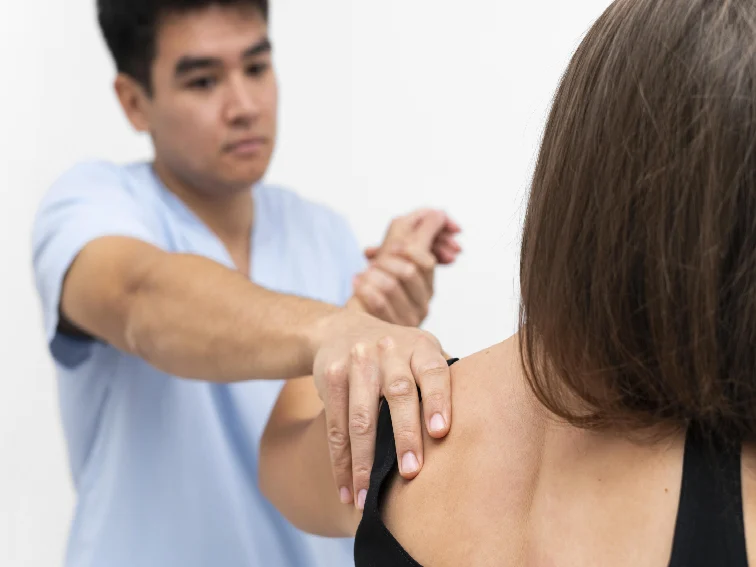
Understanding and Treating Rotator Cuff Tears
Rotator cuff surgery in Hyderabad
Welcome to our comprehensive guide on understanding and effectively treating rotator cuff tears. As a trusted source of information, we are committed to providing you with accurate and detailed insights into this common shoulder injury.
Introduction
Rotator cuff: A group of four muscles that form as tendons and cover around (envelop) the humerus head and stabilize the shoulder joint. They attach the humerus to the shoulder blade. They keep your Shoulder in its socket and help to rotate and lift your arm.
A tear in any of these tendons can result in pain, limited mobility, and reduced quality of life.
Rotator cuff tears are a common shoulder condition that can affect many people, particularly those who perform repetitive overhead activities or frequently lift heavy objects. Moreover, repeated stress on the shoulder can gradually weaken the rotator cuff and increase the risk of injury. As a result, people may develop shoulder pain, weakness, and difficulty performing everyday movements. Therefore, understanding the causes, symptoms, and treatment options can help individuals recognize the condition early and seek appropriate medical care.
Types of Rotator Cuff Tears
Partial Thickness Tears: These tears affect only a portion of the tendon, often causing mild discomfort and limited impact on daily activities. Partial tears do not detach the tendon from the bone.
Full Thickness Tears: These tears extend through the entire tendon, leading to more significant pain as there is a detachment of a part of the tendon. Reduced range of motion, and potential weakness in the affected arm are the common symptoms.
Causes and Risk Factors
Several factors can contribute to the development of rotator cuff tears:
Age: The risk of tears increases with age as tendons naturally degenerate over time.
Overuse: Repetitive overhead motions, common in sports like tennis or baseball, can lead to tears.
Trauma: A sudden fall or impact can result in an acute tear.
When you lift any heavy object with a jerking motion or fall down on your outstretched arm, your rotator cuff can tear. If you fall down and have wrist fracture, a dislocated shoulder or a broken collarbone, then you can have rotator cuff tear.
Poor blood supply to the tendons and repetitive stress or bone spurs can make tears more likely.
Common symptoms include
Pain: Often felt at the front or side of the shoulder, which may radiate down the arm.
-
Weakness: Difficulty lifting or rotating the arm, especially when holding objects.
-
Limited Range of Motion: Difficulty reaching behind the back or overhead.
-
Night Pain: Discomfort that disturbs sleep, particularly when lying on the affected side.
-
In addition, you may experience pain even at rest. Over time, pain-relief medications may become less effective. Furthermore, weakness and pain can make routine activities, such as combing your hair or reaching behind your back, increasingly difficult.
Recognizing the symptoms of a rotator cuff tear is crucial for early diagnosis and intervention.
Diagnosis
If you suspect a rotator cuff tear, seeking medical attention is vital. An orthopedic doctor will conduct a thorough assessment, which may include:
Physical Examination: Testing the range of motion, strength, and areas of tenderness.
Imaging: X-rays or MRI scans to visualize the tear’s location and severity.
Treatment Options
The main objective of your treatment is to relieve pain and restore function. To ensure this your doctor has several treatment options to choose from. The best treatment approach for a rotator cuff is different for every person. Your orthopedic doctor may consider your overall health, age, activity levels and the type of tear you have.
Conservative Approaches: For mild tears, non-surgical methods may be effective:
Rest and Activity Modification: Allowing the tendon to heal with reduced strain.
Physical Therapy: Strengthening the surrounding muscles can provide support.
Pain Management: Over-the-counter pain relievers and ice packs can help.
Rotator Cuff Surgery in Hyderabad
If non-surgical methods do not offer any help, your doctor may recommend the following surgical interventions for severe tears:
Arthroscopic Repair: Minimally invasive surgery to reattach the tendon.
Open Surgery: Traditional approach for complex tears or reattachments.
Your doctor considers surgical repair if you have a rotator cuff tear due to an acute injury or a recent fall and also when you have significant weakness and loss of function in your shoulder.
Rehabilitation
Regardless of the chosen treatment path, rehabilitation is crucial for restoring shoulder function.
Physical Therapy: Customized exercises to improve strength and flexibility.
Gradual Return to Activities: Controlled reintegration of activities to prevent re-injury.
Prevention
While not all tears can be prevented, certain measures can reduce the risk:
Proper Technique: Learn and practice correct techniques for sports and lifting.
Warm-up and Stretching: Adequate warm-up and stretching before activities.
Cross-Training: Engage in a variety of exercises to avoid overuse of specific muscles.
Bottom Line
In conclusion, understanding the causes, symptoms, and treatment options for rotator cuff tears is essential for effective management and recovery. Whether through conservative methods or surgical interventions, a combination of medical expertise and patient commitment is key to restoring shoulder health and overall well-being.
if you suspect a rotator cuff tear, and looking for rotator cuff surgery in Hyderabad consulting an orthopedic surgeon having expertise in rotator cuff repair is crucial for accurate diagnosis and personalized treatment recommendations.
By providing comprehensive information on rotator cuff tears, we aim to equip you with the knowledge necessary to make informed decisions about your shoulder health. If you have any other concerns, always feel free to contact us.

Tenosynovitis: Understanding Symptoms, Causes & Treatment
Tenosynovitis is a condition that involves the inflammation of the synovium, a thin layer of tissue that covers the tendons in your body. This inflammation can cause pain, swelling, and discomfort, often affecting your ability to move the affected joint. In this comprehensive guide, we’ll delve into the details of Tenosynovitis, including its symptoms, causes, treatment options, and preventive measures.
Tenosynovitis Causes
Tenosynovitis occurs when the synovium, which is responsible for lubricating and protecting tendons, becomes inflamed due to various factors. It most commonly affects the tendons in the wrists, hands, and feet. This condition can result from overuse, repetitive movements, injury, or certain underlying medical conditions.
Tenosynovitis: Understanding the Symptoms
Tenosynovitis is characterized by several noticeable symptoms that can vary in severity. Some of the common symptoms include:
Pain and Tenderness: Individuals with Tenosynovitis often experience localized pain and tenderness around the affected tendon. The pain might worsen with movement or pressure.
Swelling and Redness: Inflammation of the synovium can lead to swelling and redness in the affected area.
Limited Range of Motion: Due to the inflammation and swelling, the affected joint may become stiff, limiting your ability to move it comfortably.
Crepitus: Some people might notice a cracking or creaking sensation when moving the affected joint.
What Causes Tenosynovitis?
Use this active-voice version:
Tenosynovitis Causes: Several factors can cause tenosynovitis, including:
Repetitive Movements: Engaging in repetitive motions, such as typing, playing musical instruments, or sports activities, can strain the tendons and lead to inflammation.
Injury or Trauma: Direct injury to the tendons, such as sprains or fractures, can trigger an inflammatory response in the synovium.
Medical Conditions: Certain conditions like rheumatoid arthritis or gout can increase the risk of developing Tenosynovitis.
Bacterial Infections: In some cases, bacterial infections can lead to the inflammation of the synovium.
Effective Treatment Options
Treating Tenosynovitis involves a combination of strategies aimed at reducing inflammation and relieving pain. Some approaches include:
Rest and Immobilization: Giving the affected tendon time to rest and heal is essential. Immobilization through splints or braces can aid in the healing process.
Medications: Nonsteroidal anti-inflammatory drugs (NSAIDs) can help reduce pain and inflammation.
Use this active-voice version: In severe cases, your doctor may recommend corticosteroid injections.
This wording identifies who takes the action and removes the passive construction.
Physical Therapy: Physical therapy can help improve joint mobility, strengthen surrounding muscles, and prevent recurrences.
RICE Method: Rest, Ice, Compression, and Elevation can help alleviate symptoms and promote healing.
Preventive Measures for Tenosynovitis
Preventing Tenosynovitis involves adopting healthy habits and making ergonomic adjustments:
Proper Ergonomics: Maintain proper posture and ergonomic practices, especially during repetitive tasks, to reduce strain on tendons.
Regular Breaks: Take frequent breaks during activities that involve repetitive motions to give your tendons time to rest.
Warm-Up and Stretching: Prior to engaging in physical activities, warm-up exercises and stretching can help prepare your tendons and muscles.
Balanced Diet: Consuming a diet rich in nutrients can support overall joint health and reduce the risk of inflammation.
FAQs about Tenosynovitis Causes
Q: Can Tenosynovitis occur suddenly?
A: Yes, Tenosynovitis can develop suddenly, especially after overuse or injury.
Q: Is Tenosynovitis a chronic condition?
A: It can be chronic if not properly managed, but with appropriate treatment, many cases resolve within weeks.
Q: Are there any risk factors for developing Tenosynovitis?
A: Yes, factors like repetitive motions, certain medical conditions, and infections can increase the risk.
Q: Can Tenosynovitis affect any joint in the body?
A: While it can occur in various joints, it most commonly affects wrists, hands, and feet.
Q: Is surgery always required for Tenosynovitis?
A: Surgery is usually considered after conservative treatments have failed to provide relief.
Q: Can Tenosynovitis recur after successful treatment?
A: Yes, if preventive measures aren’t taken, there’s a chance of recurrence.
Conclusion
Tenosynovitis can be a challenging condition to deal with, but with the right approach to treatment and prevention, its impact can be minimized. By understanding tenosynovitis causes, symptoms, and effective management strategies, individuals can regain comfort and mobility in their daily lives.
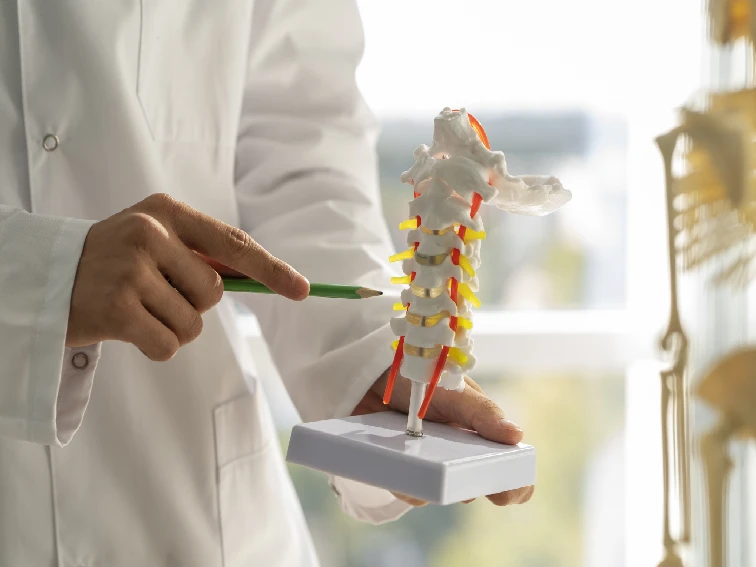
Osteonecrosis: A Silent Threat to Your Bones
Osteonecrosis causes and symptoms: Have you ever wondered how our bones stay strong and healthy? Well, they have a remarkable ability to repair and regenerate themselves. However, sometimes, a condition called Osteonecrosis can silently strike, affecting our bones without warning. In this article, we will delve into the world of Osteonecrosis, exploring its causes, symptoms, treatments, and ways to prevent it. So, let’s embark on this journey to safeguard our precious bones!
1. What is Osteonecrosis?
Osteonecrosis, also known as avascular necrosis, is a medical condition that occurs when a bone loses its blood supply, leading to bone tissue death. Without a proper blood supply, the bone weakens and collapses, causing pain and impaired function. It can affect various bones in the body, including the hips, knees, shoulders, and ankles. Osteonecrosis is a silent threat as it may not show symptoms until significant damage has occurred.
2. Understanding Bone Health – Osteonecrosis causes and symptoms
Here is a cleaner version with natural transition words added and the awkward Yoast feedback text removed:
Bones are like strong pillars that support our body structure. Moreover, they are living tissues that continuously renew and repair themselves. Therefore, maintaining healthy bones plays an important role in overall well-being, as bones protect vital organs and support movement. In addition, adequate calcium intake, sufficient vitamin D, and regular exercise can help maintain strong and healthy bones.
3. Unraveling the Osteonecrosis Causes and Symptoms
Although Osteonecrosis can affect anyone, certain risk factors can increase the likelihood of developing the condition. For this reason, understanding these risk factors can help you recognize potential warning signs and seek appropriate medical attention. The main risk factors include:
Use this version:
4. Identifying the Symptoms
In the early stages, Osteonecrosis may not cause noticeable symptoms. However, as the condition progresses, you might experience the following symptoms:
-
Pain: You may develop pain gradually, and activity can make it worse while rest may provide relief.
-
Stiffness: You may experience restricted movement and stiffness in the affected joint.
-
Cracking or Popping Sensation: You may notice a cracking or popping sensation as the bones rub against each other.
-
Limited Mobility: You may have difficulty bearing weight on the affected limb, particularly as the condition progresses.
This removes the repetitive sentence openings and also gives you natural transitions such as “However” and “particularly as the condition progresses.”
5. When to Seek Medical Attention
If you experience persistent joint pain or any of the above symptoms, it’s essential to consult a healthcare professional promptly. Early detection can prevent further damage and increase the chances of successful treatment.
6. Diagnosing Osteonecrosis
To diagnose Osteonecrosis, your doctor may perform a thorough physical examination, review your medical history, and order imaging tests like X-rays, MRI, or CT scans. These tests help identify the extent of bone damage and determine the appropriate treatment.
7. Navigating Treatment Options
The choice of treatment depends on the stage of Osteonecrosis and the affected bone. The main goals of treatment are to relieve pain, improve joint function, and prevent further bone damage. Here are some treatment options:
– Medications: Nonsteroidal anti-inflammatory drugs (NSAIDs) can be beneficial in alleviating pain and reducing inflammation. – Physical Therapy: It can enhance joint mobility and strengthen surrounding muscles. – Assistive Devices: Using crutches or braces can relieve pressure on the affected bone. – Core Decompression: This surgical procedure reduces pressure within the bone, allowing better blood flow.
8. Surgical Interventions for Osteonecrosis causes and symptoms
In advanced stages, surgical intervention may be necessary. Some surgical options include:
– Bone Grafting: Healthy bone tissue is transplanted to replace the damaged bone. – Osteotomy: The bone is reshaped to reduce stress on the affected area. – Joint Replacement: For severe cases, joint replacement surgery may be recommended.
9. Non-Surgical Treatments
If Osteonecrosis is detected in its early stages, non-surgical treatments can be effective. These include lifestyle modifications, pain management, and physical therapy. Regular follow-ups with your orthopedic doctor are essential to monitor progress and adjust the treatment plan if needed.
10. Lifestyle Tips for Bone Health
Preventing Osteonecrosis starts with maintaining strong bones. Here are some lifestyle tips to promote Bone Health:
Balanced Diet: Ensure a diet rich in calcium, vitamin D, and other essential nutrients for bone health. – Regular Exercise: Engage in weight-bearing exercises like walking, dancing, or hiking. – Limit Alcohol and Smoking: Reduce alcohol intake and avoid smoking, which can weaken bones.
11. Preventing Osteonecrosis causes and symptoms
Prevention is better than cure, and there are steps you can take to minimize the risk of Osteonecrosis:
Manage Underlying Conditions: If you have medical conditions that increase Osteonecrosis risk, work with your healthcare provider to manage them effectively. Avoid Prolonged Steroid Use: If prescribed steroids, follow your doctor’s recommendations and avoid long-term use whenever possible. – Take care of your joints: Utilize correct techniques and protective equipment while engaging in physical activities to avoid injuries.
12. Living with Osteonecrosis
Living with Osteonecrosis may present challenges, but with the right treatment and lifestyle adjustments, many individuals can manage the condition effectively. Receiving support from healthcare professionals, family, and friends can have a significant impact on how you cope with the condition.
13. Osteonecrosis and Quality of Life
Osteonecrosis can impact a person’s quality of life, especially if it affects mobility and daily activities. Engaging in physical therapy, adhering to treatment plans, and staying positive can improve overall well-being.
14. Osteonecrosis in Different Age Groups
Osteonecrosis can affect people of all ages, but certain age groups may have specific risk factors. Understanding these factors can help tailor prevention and treatment strategies accordingly.
15. Research and Future Perspectives
Medical research is continuously advancing, and there are ongoing studies to better understand Osteonecrosis and improve treatment options. Staying informed about the latest developments can help individuals make well-informed decisions about their health.
Osteonecrosis causes and symptoms FAQs
What are the early signs of Osteonecrosis?
Early signs include joint pain, stiffness, and limited mobility.
Can Osteonecrosis be cured completely?
In some cases, early detection and appropriate treatment can halt or reverse the progression of Osteonecrosis.
Is Osteonecrosis preventable?
While not all cases are preventable, certain lifestyle changes and risk management can lower the risk of Osteonecrosis.
How does Osteonecrosis affect young adults?
Osteonecrosis in young adults can be associated with trauma or underlying medical conditions.
Can physical therapy help with Osteonecrosis?
Yes, physical therapy can improve joint function and mobility in individuals with Osteonecrosis.
conclusion
understanding Osteonecrosis causes and symptoms are crucial for safeguarding our bone health. By staying informed about its causes, symptoms, and treatment options, we can take proactive steps to protect our bones and lead healthier lives. Remember, early detection and timely medical intervention can make all the difference in managing this silent threat effectively. So, let’s prioritize our bone health and take the necessary steps to keep our bones strong and resilient.
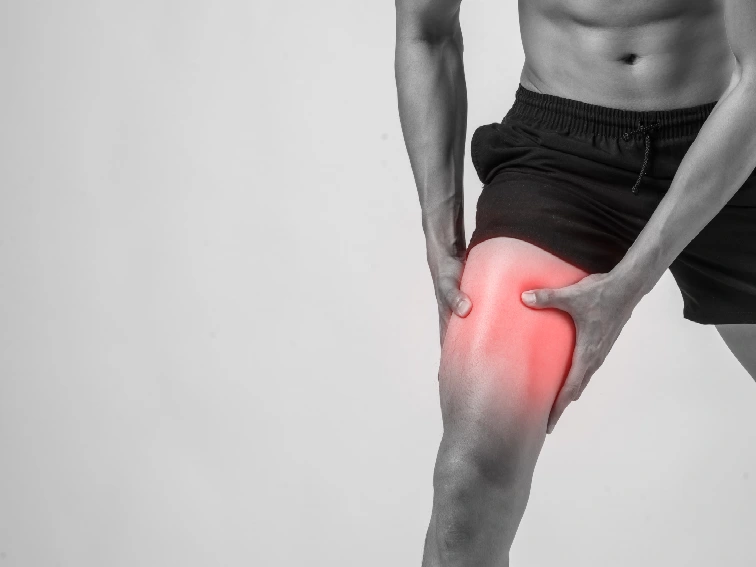
Diaphyseal Femur Fractures, Symptoms & Treatment
Diaphyseal femur fracture, also known as femoral shaft fracture, is a common type of bone fracture that occurs in the long bone of the thigh, known as the femur. These fractures typically happen due to high-energy trauma, such as car accidents or falls from a significant height. Understanding the causes, symptoms, treatment options, and recovery process is crucial for individuals dealing with diaphyseal femur fractures. In this article, we will explore these aspects in detail to provide you with valuable information.
Causes of Diaphyseal Femur Fracture
Diaphyseal femur fractures can occur as a result of various causes. The most common cause is trauma, which often results from high-energy accidents such as car crashes, motorcycle accidents, or falls from heights.
. Sports-related injuries, such as those occurring in contact sports like football or skiing, can also lead to femur fractures. Additionally, individuals with weakened bones due to conditions like osteoporosis or bone tumors may be more susceptible to diaphyseal femur fractures even from minor trauma.
Symptoms of Diaphyseal Femur Fractures
When a diaphyseal femur fracture occurs, there are several symptoms that may manifest. These include:
- Severe pain in the thigh or groin area
- Inability to bear weight or walk
- Swelling and bruising around the affected area
- Visible deformity or angulation of the leg
- Limited range of motion in the hip or knee joint
- Numbness or tingling in the leg, indicating potential nerve damage
If you experience any of these symptoms after a traumatic event or suspect a diaphyseal femur fracture, it is important to seek immediate medical attention.
Treatment Options for Diaphyseal Femur Fractures
The treatment of diaphyseal femur fractures depends on various factors, including the severity of the fracture and the patient’s overall health. Here are some common treatment options:
Here is the fully active-voice version, keeping your original meaning and structure:
Non-Surgical Treatment
In some cases, doctors may choose non-surgical treatment if the fracture remains stable and the bones stay properly aligned. This approach typically involves placing the leg in a cast or brace, allowing the bones to heal naturally over time. However, doctors use this approach less often for diaphyseal femur fractures because these fractures tend to remain unstable.
Surgical Treatment
Doctors often prefer surgery for diaphyseal femur fractures, especially when the fracture has displaced or remains unstable. Surgical options include:
Intramedullary Nailing
Surgeons commonly use intramedullary nailing to treat diaphyseal femur fractures. The surgeon inserts a metal rod into the marrow canal of the femur to stabilize the fracture. The surgeon then secures the rod with screws or locking mechanisms to provide stability during the healing process.
Plate and Screw Fixation
In some cases, the surgeon uses a plate and screws to stabilize the fractured bone. The surgeon attaches the plate to the outside of the bone and inserts screws to hold the fractured fragments together.
External Fixation
Surgeons use external frames and pins to stabilize the fracture with this technique. They typically choose this approach when significant soft-tissue damage exists or when other methods cannot provide a suitable solution.
Recovery Process for Diaphyseal Femur Fractures
The recovery process for diaphyseal femur fractures can be lengthy and requires patience and adherence to medical guidance. Here are some important points to consider during the recovery phase:
Physical Therapy: Following surgery or immobilization, physical therapy plays a crucial role in the recovery process. A physical therapist will guide you through exercises to improve strength, flexibility, and range of motion in the affected leg. This helps prevent muscle atrophy and promotes proper healing.
Weight-Bearing Progression: Initially, you may need to avoid putting weight on the affected leg. As healing progresses, your healthcare provider will gradually allow partial or full weight-bearing activities. It is important to follow their instructions and not rush the process to prevent complications.
Nutrition and Lifestyle: A balanced diet rich in essential nutrients like calcium, vitamin D, and protein is vital for bone healing. Quitting smoking and reducing alcohol consumption can also aid in the recovery process by promoting better bone health.
Follow-up Care: Regular follow-up appointments with your orthopedic specialist are crucial to monitor the healing progress and make any necessary adjustments to your treatment plan.
Conclusion
Diaphyseal femur fractures are significant injuries that require prompt medical attention and appropriate treatment. By understanding the causes, symptoms, treatment options, and recovery process associated with these fractures, individuals can make informed decisions and actively participate in their own healing journey. If you suspect a diaphyseal femur fracture or experience any symptoms, do not hesitate to consult a healthcare professional for a proper diagnosis and guidance towards recovery. Remember, the road to recovery may be challenging, but with proper care and perseverance, you can regain mobility and return to an active lifestyle.
FAQs
What is a diaphyseal femur fracture?
A diaphyseal femur fracture is a type of bone fracture that occurs in the long bone of the thigh, known as the femur. It involves a break in the middle (diaphysis) of the femur bone.
What causes diaphyseal femur fractures?
Diaphyseal femur fractures are commonly caused by high-energy trauma, such as car accidents, falls from heights, or sports-related injuries. Weakened bones due to conditions like osteoporosis can also increase the risk of these fractures.
What are the symptoms of a diaphyseal femur fracture?
Symptoms of a diaphyseal femur fracture may include severe pain in the thigh or groin area, inability to bear weight or walk, swelling and bruising around the fracture site, visible deformity or angulation of the leg, limited range of motion in the hip or knee joint, and numbness or tingling in the leg.
How are diaphyseal femur fractures treated?
Treatment options for diaphyseal femur fractures depend on various factors. Non-surgical treatment methods, such as casting or bracing, may be used for stable fractures. However, surgery is often necessary for displaced or unstable fractures. Surgical options include intramedullary nailing, plate and screw fixation, or external fixation.
What is the recovery process like for diaphyseal femur fractures?
The recovery process for diaphyseal femur fractures can be lengthy. It typically involves physical therapy to regain strength, flexibility, and range of motion in the affected leg. Weight-bearing progression, nutrition and lifestyle considerations, and regular follow-up care are also important aspects of the recovery process.
