
Fibrous Dysplasia Symptoms, Causes & Treatment
This is a type of bone condition wherein abnormal fibrous tissue develops in the normal bone replacing healthy bone tissue. This is a benign (noncancerous) bone condition. Over some time, fibrous tissue grows and spreads within the bone making it brittle and weak. A weak bone can become prone to fractures or deform.
In some people, the condition becomes severe affecting multiple bones and causing symptoms. Some people may experience a few or no symptoms at all.
When fibrous dysplasia becomes severe affecting multiple bones and causing severe symptoms, surgery becomes necessary to remove affected bones and prevent deformity or bone fractures.
Cause
Fibrous dysplasia is a rare genetic condition. It accounts for around 7% of all benign bone tumors. A gene mutation is responsible for making an abnormal type of fibrous bone.
Diagnosis
To diagnose this condition, your orthopedic doctor will take into account your medical history and overall health and ask you about your symptoms. The doctor will order X-rays and other tests to confirm the diagnosis of fibrous dysplasia.
X-rays – In a typical case of fibrous dysplasia. An X-ray may show:
Bone deformity – abnormal curvature or bowing
Expansion of affected bone
Abnormality in the affected bone
MRI or CT scan
An orthopedic doctor may order an MRI or a CT scan to further evaluate the lesion. An MRI scan clearly shows the extent of bone involved. It helps determine whether the lesion has turned cancerous.
A CT scan can help your doctor see the fracture better and determine the quality of the bone.
Bone scan: This scan helps in detecting additional lesions and abnormal bone structures in the body.
Treatment
Medications: Doctors prescribe medications and pain relievers to offer relief from pain and to decrease the frequency of fractures associated with weak bones.
Observation: If the condition doesn’t cause any symptoms, your orthopedic doctor may recommend monitoring and observation during regular follow-up consultations to check whether the condition is progressing.
Surgical treatment
Fibrous dysplasia is a progressive bone condition. It causes severe pain, weak bones, abnormal growths, and bone deformity. Your orthopedic doctor may recommend surgery to prevent bone fractures when you have progressive deformity of the bone; cracks in the bone; symptomatic lesions; displaced fractures; large lesions and lesions that have become cancerous.
Your orthopedic doctor scrapes a benign tumor out of the bone using a surgical procedure called Curettage to treat fibrous dysplasia.

How to Preserve Your Knee Health as You Grow Older
As we age, it’s crucial to pay attention to our joint health, especially our knees. Knee problems can significantly impact our mobility and quality of life. In this article, we will discuss various strategies to preserve your knee health as you grow older, ensuring that you can stay active and pain-free.
Understanding the Importance of Knee Health
Why Are Knees Vulnerable
The knee joint is a complex structure, making it vulnerable to wear and tear.
Aging leads to the natural breakdown of cartilage, a crucial component of the knee joint.
Ensuring the well-being of your knees is crucial for your overall health.
The Consequences of Neglecting Knee Health
Neglected knee health can result in chronic pain, reduced mobility, and impaired daily activities.
Knee issues can escalate to conditions like osteoarthritis, which are challenging to manage.
Lifestyle and Diet for Knee Health
Maintaining a Healthy Weight
Carrying excess weight places additional pressure on the knees.
Weight management is critical to reduce the risk of knee problems.
A Balanced Diet
Consuming foods rich in antioxidants and anti-inflammatory properties can benefit knee health.
Nutrients like omega-3 fatty acids and vitamin C can help maintain joint health.
Staying Hydrated
Proper hydration keeps the cartilage lubricated and healthy.
Ensure proper hydration by drinking a sufficient amount of water throughout the day.
Exercise and Physical Activity
Low-Impact Exercises
Engage in activities like swimming, cycling, and yoga.
These exercises are gentle on the knees and promote strength and flexibility.
Strengthening the Muscles Around the Knee
Focus on building strong quadriceps and hamstrings.
Strong muscles provide better support to the knee joint.
Range of Motion Exercises
Perform exercises that improve the knee’s range of motion.
Simple stretches can help prevent stiffness and maintain flexibility.
Proper Footwear and Orthotics
Choosing the Right Shoes
Opt for comfortable footwear with appropriate arch support and cushioning.
Well-fitted footwear reduces the strain on your knees.
Orthotic Insoles
Custom orthotic insoles can provide additional support and correct any gait abnormalities.
Consult a podiatrist for recommendations.
Preventing Injuries Warm-Up and Cool Down
3. Are there any natural treatments for alleviating knee discomfort?
Some people find relief through natural remedies like turmeric or ginger, which have anti-inflammatory properties.
4. When should I consult a doctor regarding my knee pain?
If you experience persistent or severe knee pain, it’s advisable to consult a healthcare professional for a proper evaluation.
5. How can I make my home knee-friendly?
Making simple adjustments like installing handrails, using non-slip mats, and ensuring good lighting can help prevent falls and reduce the risk of knee injuries.
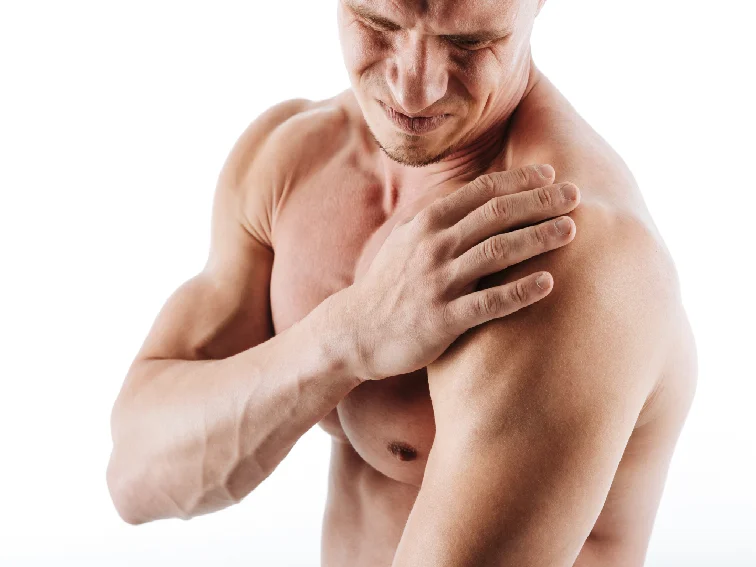
Biceps Tendon Injuries: Treatment and Prevention
Biceps tendon injuries treatment | Dr. Praharsha Mulpur
Biceps tendon injuries are a common issue that many people face, often as a result of overuse, aging, or sports-related activities. In this comprehensive guide, we will delve into what biceps tendon injuries are, their types, causes, symptoms, diagnostic methods, treatment options, recovery, prevention strategies, and how to cope with this condition.
Understanding Biceps Tendon Injuries
Biceps tendons are strong, lengthy, cord-like structures that connect the biceps muscle to the bones in your shoulder and elbow. They play a crucial role in various arm movements. The biceps are essential muscles that enable you to bend your elbow and rotate your forearm. They connect to your bones through tendons, which can become damaged or torn due to various reasons. Let’s explore biceps tendon injuries in detail.
Types of Biceps Tendon Injuries
There are two primary types of biceps tendon injuries: proximal and distal. Proximal injuries occur at the shoulder, while distal injuries happen at the elbow.
Causes of Biceps Tendon Injuries
Biceps tendon injuries can result from overuse, aging, heavy lifting, or sports activities.
Are you at risk of biceps tendon injuries?
People who are in certain sports, activities, and occupations could be at risk.
Therefore, they should take appropriate precautions. For instance, people who frequently engage in activities that involve throwing, rotating the hands, lifting, or pulling, whether for recreation or work, may face a higher risk of biceps tendon injuries. In particular, weightlifters and rock climbers have reported biceps tendon ruptures in limited data and clinical studies.
Furthermore, biceps tendon injuries and degenerative tendinosis occur more frequently in older people. In contrast, isolated tendonitis commonly occurs in middle-aged people and younger men. As a result, the risk and type of biceps tendon injury can vary depending on age and the activities a person performs.
Recognizing Biceps Tendon Injuries Symptoms
Symptoms associated with biceps tendon injuries include:
- Moving, lifting, and rotating the arm becomes difficult and painful.
- Pain in the shoulder and swelling in the vicinity of the shoulder.
- Progressively worsening pain in the upper arm or shoulder during physical activity
- A popping sound is audible If the tendon is torn completely.
- Bruising on the shoulder area
- Sensitivity to touch.
Understanding the symptoms is crucial for early diagnosis. If you experience these symptoms and recognize the signs of a biceps tendon injury, then consult an orthopedic doctor.
Treatment Options
Non-Surgical Approaches
Non-surgical treatments for biceps tendon injuries include rest, ice, anti-inflammatory medications, and physical therapy. These methods are often effective for mild injuries.
Early intervention, diagnosis, and treatment can help resolve the condition completely.
The application of cold packs and ice helps in relieving pain and swelling. Aspirin and ibuprofen can help in reducing pain and swelling.
Your doctor will recommend you stop or avoid physical activities that put pressure, force, and workload on your shoulder.
Your doctor will suggest physical activity that will help in the recovery of the condition.
To provide relief from severe pain, and inflammation and promote healing, doctors recommend corticosteroid injections
Surgical Interventions
In severe cases, surgical intervention may be necessary to repair or reattach the torn tendon. Arthroscopic surgery, a procedure performed on an outpatient basis, can be utilized to reposition bones and repair torn tendons. Surgery is typically recommended for distal biceps tendon injuries. Following surgery for tendonitis, most patients can move their arms without pain and regain their full range of motion.
Prevention Strategies
Proper Warm-up and Stretching
Preventing biceps tendon injuries involves proper warm-up and stretching exercises before engaging in physical activities that strain the arm.
Strength Training
Strengthening the biceps and surrounding muscles through resistance training can help prevent injuries and improve overall arm health.
FAQs
Can a biceps tendon injury heal without surgery?
Yes, some minor biceps tendon injuries can heal with rest and physical therapy. However, severe injuries may require surgery for proper healing.
How long does recovery take after biceps tendon surgery?
Recovery time can vary but typically takes several months. Your healthcare provider will give you a personalized timeline based on your injury and the type of surgery performed.
Are biceps tendon injuries common in athletes?
Yes, biceps tendon injuries are relatively common in athletes, especially those involved in sports that require repetitive arm movements or heavy lifting.
What exercises can help strengthen the biceps tendon?
Specific exercises, like resistance training and physical therapy, can help strengthen the biceps tendon and prevent injuries.
Is it possible to re-injure the biceps tendon after treatment?
While it’s possible to re-injure the biceps tendon, following your doctor’s advice on post-treatment care and rehabilitation can minimize this risk.
Bottom Line
In conclusion, understanding biceps tendon injuries is essential for prevention and timely treatment. Whether you’re an athlete or someone prone to overuse, knowing the risks and how to mitigate them is crucial.
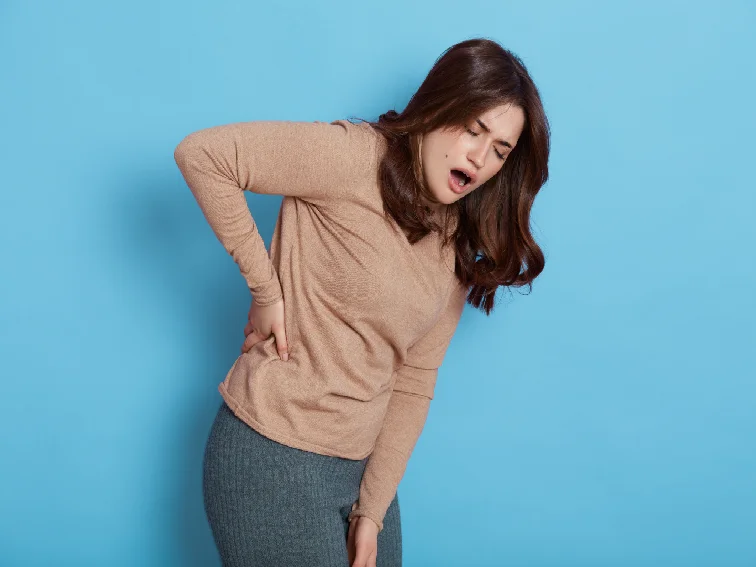
Knee Pain Due to Back Problems: Understanding the Connection
Knee pain is a common ailment that affects people of all ages and lifestyles. Although knee pain often originates from problems within the knee joint, issues in the lower back can also contribute to knee pain. In this article, we will explore how back problems can lead to knee pain and what you can do to alleviate it.
The Anatomy of the Connection
To understand the relationship between knee pain and back problems, it’s essential to grasp the interconnected nature of our musculoskeletal system. Our body is a complex network of bones, muscles, and joints, all working in harmony to facilitate movement.
The lumbar spine, located in the lower back, is comprised of five vertebrae. These vertebrae are connected by intervertebral discs, which act as shock absorbers and allow for flexibility. Nerves from the spinal cord branch out from the lumbar region, traveling down to various parts of the body, including the legs and knees.
Knee Pain due to Back Problems
1. Nerve Compression: One of the primary ways that back problems can lead to knee pain is through nerve compression. When the spinal nerves in the lower back become compressed or irritated due to issues like herniated discs or spinal stenosis, the pain can radiate down the legs and affect the knees.
This referred pain can feel intense, and people often mistake it for a primary knee problem.
2. Altered Gait and Posture: Back problems can also change your gait and posture. When you experience pain or discomfort in your lower back, you may unconsciously change the way you walk or stand. These changes can place extra stress on your knee joints and cause pain over time.
3. Muscle Imbalances: Back problems can also disrupt the delicate balance among the muscles that support your spine and pelvis. When this happens, your body may compensate with different movements, which can place additional strain on your knee joints.
For example, weak or tight muscles in the lower back and hip area can affect the alignment of the knees.
Common Back Problems Linked to Knee Pain
Several back problems are commonly associated with knee pain:
1. Herniated Discs: When the soft inner material of a spinal disc protrudes through its outer shell, it can press on nearby nerves, causing pain that radiates down to the knees.
2. Muscle Imbalances: As mentioned earlier, imbalances in the muscles that support the spine and pelvis can contribute to knee pain.
Seeking Relief
If you’re experiencing knee pain due to back problems, it’s crucial to seek professional medical advice. A healthcare provider can conduct a thorough evaluation, which may include imaging tests, to pinpoint the root cause of your pain. Treatment options may include physical therapy, pain management techniques, exercises to strengthen core and leg muscles, and in some cases, surgery.
Bottom Line
knee pain can be a symptom of underlying back problems, emphasizing the importance of a holistic approach to healthcare. Understanding the interconnected nature of our musculoskeletal system and seeking prompt medical attention when experiencing pain can lead to effective treatment and a better quality of life. Remember, addressing the root cause is key to finding lasting relief from knee pain due to back problems.

Capitellar Fractures Symptoms, Causes, and Treatment
Capitellar fractures, though relatively uCapitellar fractures, though relatively uncommon, can have a significant impact on a person’s life. Therefore, understanding the causes, symptoms, diagnosis, and treatment options can help patients recognize the condition and seek timely medical attention. In addition, early evaluation can help an orthopedic specialist assess the severity of the fracture and recommend an appropriate treatment plan. Furthermore, proper treatment and rehabilitation can help restore elbow movement, reduce pain, and support a return to normal activities.ncommon, can have a significant impact on a person’s life. These fractures, often caused by traumatic incidents, affect the rounded end of the humerus bone in the elbow joint. In this comprehensive article, we’ll delve into the various aspects of capitellar fractures, from their causes and symptoms to the available treatment options.
Capitellar fractures can affect the elbow joint and may interfere with normal arm movement and function. Therefore, understanding the causes, symptoms, diagnosis, and treatment options can help you recognize the condition and seek appropriate medical care. In addition, early evaluation can help your orthopedic specialist determine the severity of the fracture and choose the most suitable treatment.
Capitellar Fractures Symptoms and Types
Capitellar fractures refer to injuries to the rounded head of the humerus bone, which forms part of the elbow joint. They are typically classified into three main types:
Type I – Non-displaced Fractures
In non-displaced fractures, the broken bone fragments remain in their original position. This type of fracture is less severe and painful and often requires conservative treatment.
Type II – Partially Displaced Fractures
Partially displaced fractures involve a shift in the position of some bone fragments. These fractures may require more advanced treatment approaches.
Type III – Displaced Fractures
Displaced fractures occur when bone fragments separate significantly. As a result, these fractures can cause more severe pain and greater disruption to normal elbow function. In addition, displaced fractures often represent complex capitellar injuries that may require surgical treatment. Therefore, prompt evaluation by an orthopedic specialist can help determine the severity of the fracture and the most appropriate treatment approach.
Causes of Capitellar Fractures
Understanding how capitellar fractures occur is important for identifying risk factors and taking appropriate precautions. In particular, these fractures are most commonly associated with the following causes:
Trauma: For example, high-impact injuries such as falls, sports accidents, or automobile collisions can cause capitellar fractures. As a result, a strong force directed toward the elbow can damage the capitellum and surrounding structures.
Direct Blows: Similarly, a direct blow to the elbow can cause a capitellar fracture. In addition, a forceful impact during sports, accidents, or other physical activities can place significant stress on the elbow joint. Therefore, prompt evaluation can help identify a fracture and determine the appropriate treatment.
A direct blow to the elbow, especially when the arm is extended, can lead to this type of fracture.
Overuse: Chronic overuse of the elbow joint, common in sports like gymnastics and baseball, can weaken the bone and increase the risk of fractures.
Capitellum fracture symptoms
Identifying the symptoms of a capitellar fracture is essential for prompt diagnosis and treatment:
Pain: Severe pain in the elbow, which worsens with movement, is a common symptom.
Swelling: Swelling around the elbow joint may be noticeable.
Limited Range of Motion: Difficulty in bending or straightening the elbow is a key indicator.
Tenderness: The affected area is tender to the touch.
Diagnosis and Treatment Options
Proper diagnosis is crucial in determining the appropriate treatment. It typically involves:
Imaging: X-rays and sometimes CT scans help in assessing the extent of the fracture.
Non-Surgical Treatment
For non-displaced or some partially displaced fractures, non-surgical approaches may be effective:
Immobilization: Wearing a cast or brace to immobilize the elbow allows the bone to heal.
Physical Therapy: Rehabilitation exercises can aid in regaining strength and range of motion.
Surgical Intervention
For more severe fractures, surgery is often necessary
Open Reduction and Internal Fixation (ORIF): Surgeons realign and stabilize the bone fragments using pins, screws, or plates.
Joint Replacement: In extreme cases, joint replacement may be considered.
FAQs (Frequently Asked Questions)
Can capitellar fractures heal without surgery?
Yes, non-displaced fractures can often heal with non-surgical treatment like casting and physical therapy.
How long does the recovery process take after surgery?
Recovery time varies, but it can take several weeks to months to regain full strength and function.
Are there any long-term complications associated with capitellar fractures?
While most patients recover well, some may experience reduced range of motion or arthritis in the elbow over time.
Can children experience capitellar fractures?
Yes, children involved in sports or accidents can sustain these fractures, and their treatment may differ from adults.
Is there any way to prevent capitellar fractures?
Wearing protective gear during sports and avoiding risky behaviors can reduce the risk of such fractures.
Are there any advancements in the treatment of capitellar fractures?
Ongoing research is exploring new surgical techniques and materials for more effective treatment.
Bottom Line
Capitellar fractures can be challenging; however, with an accurate diagnosis and appropriate treatment, many individuals can regain full function of the elbow joint. Therefore, recognizing the symptoms and seeking medical attention promptly can play an important role in recovery. In addition, early evaluation allows your orthopedic specialist to assess the injury and recommend the most appropriate treatment. As a result, timely intervention can support better recovery and help you return to your normal activities.
We hope this article has provided you with valuable insights into the causes, symptoms, and treatment options for capitellar fractures. Stay informed, stay safe, and prioritize your elbow health.
