Understanding Hip Problems: Causes and Treatments
Hip problems can significantly affect your daily life, often limiting mobility and causing persistent pain. Therefore, understanding the common causes of hip pain and exploring the available treatment options can help you manage these issues more effectively. In addition, this blog explains the common causes and problems associated with hip pain and explores the various treatment options available.
Common Hip Pain Causes
Several conditions can cause hip pain, and each one can affect the joint in a different way. For this reason, identifying the underlying cause plays an important role in choosing the right treatment. Below, we discuss some of the most common causes of hip pain and the symptoms they may produce.
1. Osteoarthritis
First, osteoarthritis is a degenerative joint disease in which the cartilage cushioning the hip joint gradually wears down over time. As a result, you may experience pain, stiffness, and reduced range of motion. Over time, these symptoms can interfere with walking, climbing stairs, and other everyday activities. Furthermore, advanced osteoarthritis can significantly affect your mobility and quality of life.
2. Rheumatoid Arthritis
Similarly, rheumatoid arthritis is an autoimmune disorder that causes inflammation in the joints, including the hip. In addition, persistent inflammation can affect normal joint function and mobility. Consequently, rheumatoid arthritis can result in severe pain and joint deformity. Therefore, early evaluation and appropriate treatment can help manage the condition and protect joint function.
3. Hip Fractures
In older adults, hip fractures commonly occur because of falls or osteoporosis. In particular, weakened bones can increase the risk of fractures following even a relatively minor fall. As a result, a hip fracture can cause intense pain and make standing or walking extremely difficult. Therefore, anyone with a suspected hip fracture should seek immediate medical attention.
4. Bursitis
Another common cause of hip pain is bursitis, which occurs when the bursae, small fluid-filled sacs that cushion the hip joint, become inflamed. In addition, this inflammation can make movement painful and uncomfortable. As a result, activities that involve repeated movement or pressure on the hip may become more difficult. Furthermore, reducing activities that aggravate the hip may help ease discomfort.
5. Tendinitis
Likewise, tendinitis involves inflammation of the tendons around the hip joint and often develops because of overuse or repetitive motion. For example, activities that repeatedly place stress on the hip can contribute to tendon irritation. Consequently, tendinitis can cause pain and tenderness around the hip. In addition, continuing the activity that triggers the pain may make the symptoms more noticeable.
6. Hip Labral Tear
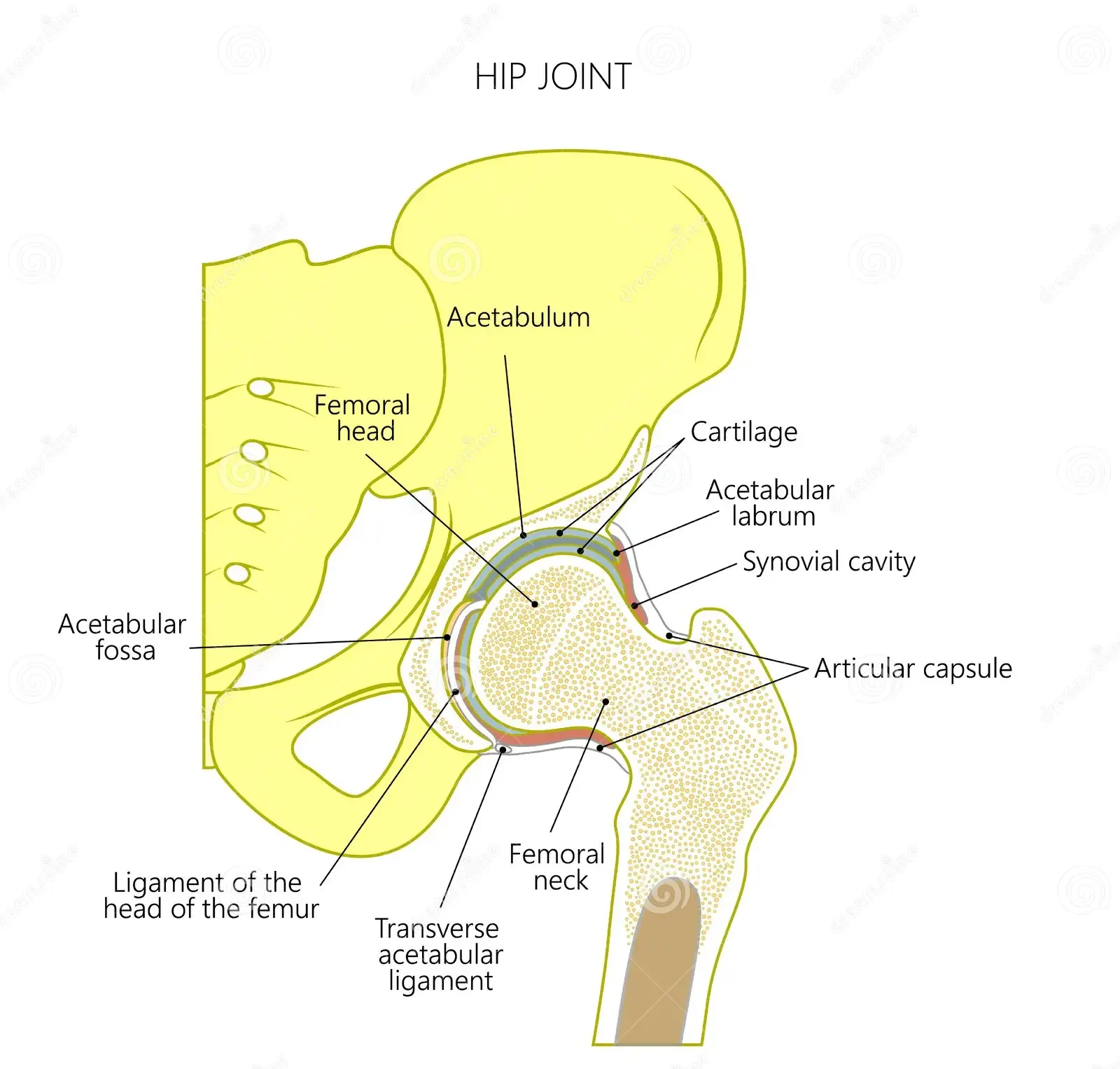
In addition, the labrum forms a ring of cartilage around the outer rim of the hip joint socket. When this cartilage tears, you may experience hip pain along with a catching sensation during movement. Moreover, certain movements may increase the discomfort or produce a noticeable clicking or catching feeling. As a result, persistent symptoms may interfere with normal hip movement and daily activities.
7. Avascular Necrosis
Additionally, avascular necrosis occurs when the blood supply to the hip bone becomes disrupted, eventually leading to bone death and joint damage. As the condition progresses, the affected bone can weaken and cause increasing discomfort. Consequently, avascular necrosis can cause severe pain and disability. For this reason, persistent or worsening hip pain requires appropriate medical evaluation.
8. Snapping Hip Syndrome
Finally, snapping hip syndrome causes a snapping sensation or sound in the hip during movement. In some cases, tight muscles or tendons can move over the bony structures of the hip and produce this sensation. As a result, you may notice a snapping feeling or discomfort when moving the hip. However, the severity of symptoms can vary, and persistent pain or movement problems may require evaluation by a healthcare professional.
Symptoms of Hip Problems
- Pain in the hip joint, thigh, groin, or buttocks
- Stiffness and reduced range of motion
- Swelling and tenderness
- Difficulty walking or standing
- A feeling of instability or the hip “giving out”
Diagnosis of Hip Problems
Diagnosing hip problems typically involves:
- Medical History and Physical Examination
- The doctor will ask about your symptoms, medical history, and any injuries or activities that may have contributed to your hip pain.
- A physical examination will assess your range of motion, strength, and areas of tenderness.
- Imaging Tests
- X-rays: To check for fractures, arthritis, or other bone abnormalities.
- MRI: To examine soft tissues like cartilage, tendons, and ligaments.
- CT Scan: To get a detailed view of the hip joint and surrounding structures.
- Laboratory Tests
- Blood tests can help diagnose conditions like rheumatoid arthritis or infections.
Treatment Options for Hip Problems
1. Medications
- Pain Relievers: Over-the-counter options like acetaminophen or NSAIDs (e.g., ibuprofen) can help manage pain and inflammation.
- Corticosteroids: Injected directly into the hip joint to reduce inflammation and pain.
- Disease-Modifying Antirheumatic Drugs (DMARDs): For conditions like rheumatoid arthritis.
2. Physical Therapy
- Tailored exercises to improve strength, flexibility, and range of motion.
- Techniques to reduce pain and improve mobility.
3. Lifestyle Modifications
- Weight management to reduce stress on the hip joint.
- Avoiding activities that exacerbate hip pain.
- Dietary changes and supplementation
4. Assistive Devices
- Canes, crutches, or walkers can help take pressure off the hip and improve mobility.
5. Surgical Treatments
- Hip Arthroscopy: Minimally invasive surgery to repair labral tears or remove loose fragments.
- Osteotomy: Realigning bones to relieve stress on the hip joint.
- Hip Replacement: Replacing the damaged hip joint with a prosthetic one, typically used for severe arthritis or hip fractures.
- Hip Resurfacing: An alternative to hip replacement for younger, active patients.
Prevention of Hip Problems
- Maintain a Healthy Weight: Reduces stress on the hip joints.
- Regular Exercise: Strengthens muscles around the hip joint, improving stability and flexibility.
- Avoid Repetitive Stress: Be mindful of activities that put repetitive stress on the hips.
- Fall Prevention: Especially important for older adults to prevent hip fractures.
Conclusion
Hip problems can range from mild discomfort to severe pain, significantly impacting your quality of life. Therefore, understanding the causes of hip pain, recognizing the symptoms, and seeking appropriate treatment can help you manage these issues effectively. In addition, lifestyle changes, medication, physical therapy, and surgery can provide several options to help alleviate hip pain and improve mobility. Ultimately, if you experience persistent hip pain, consult a healthcare professional to determine the most appropriate course of action.
How to Heal Fractures Faster: A Simple Approach
Fractures are common injuries that can disrupt daily life and take weeks or even months to heal. While the body naturally works to repair broken bones, there are several strategies you can employ to help speed up the healing process.
How to Heal Fractures Quicker
If you have a fractured bone and you are concerned about the duration of bone fracture healing, then you should know this first:
A bone fracture healing time mostly depends on the location, type and severity of the bone fracture – and also, on your age and health status. Another crucial factor is the time you took before seeking medical treatment. For instance, if you meet an orthopedic doctor as soon as you have a fractured bone, the better your prognosis.
Let us explore effective ways to promote faster fracture healing through proper nutrition, lifestyle adjustments, and medical interventions.
Understanding Fracture Healing
Before diving into the tips, it’s essential to understand the basic stages of fracture healing:
- Inflammatory Phase: Immediately after the fracture, blood clots form around the break to protect it and create a foundation for new bone cells.
- Reparative Phase: Over the next few weeks, a soft callus made of collagen forms around the fracture, which then hardens into a hard callus of new bone.
- Remodeling Phase: Finally, the new bone is reshaped and strengthened over several months, returning to its original shape and structure.
How to Heal Fractures Quicker
1. Nutrition: Fuel Your Healing
Proper nutrition plays a crucial role in bone healing. Ensure your diet includes:
- Calcium: Essential for bone strength, found in dairy products, leafy greens, and fortified foods.
- Vitamin D: Helps the body absorb calcium, found in sunlight exposure, fatty fish, and fortified foods.
- Protein: Necessary for tissue repair and regeneration, found in lean meats, beans, and legumes.
- Vitamin C: Aids in collagen formation, found in citrus fruits, strawberries, and bell peppers.
- Zinc: Supports tissue repair, found in meat, shellfish, and nuts.
2. Stay Hydrated
Hydration is vital for overall health and aids in the delivery of nutrients to the healing site. Aim for at least 8 glasses of water a day.
3. Follow Medical Advice
Adhering to your doctor’s recommendations is crucial for optimal healing. This includes:
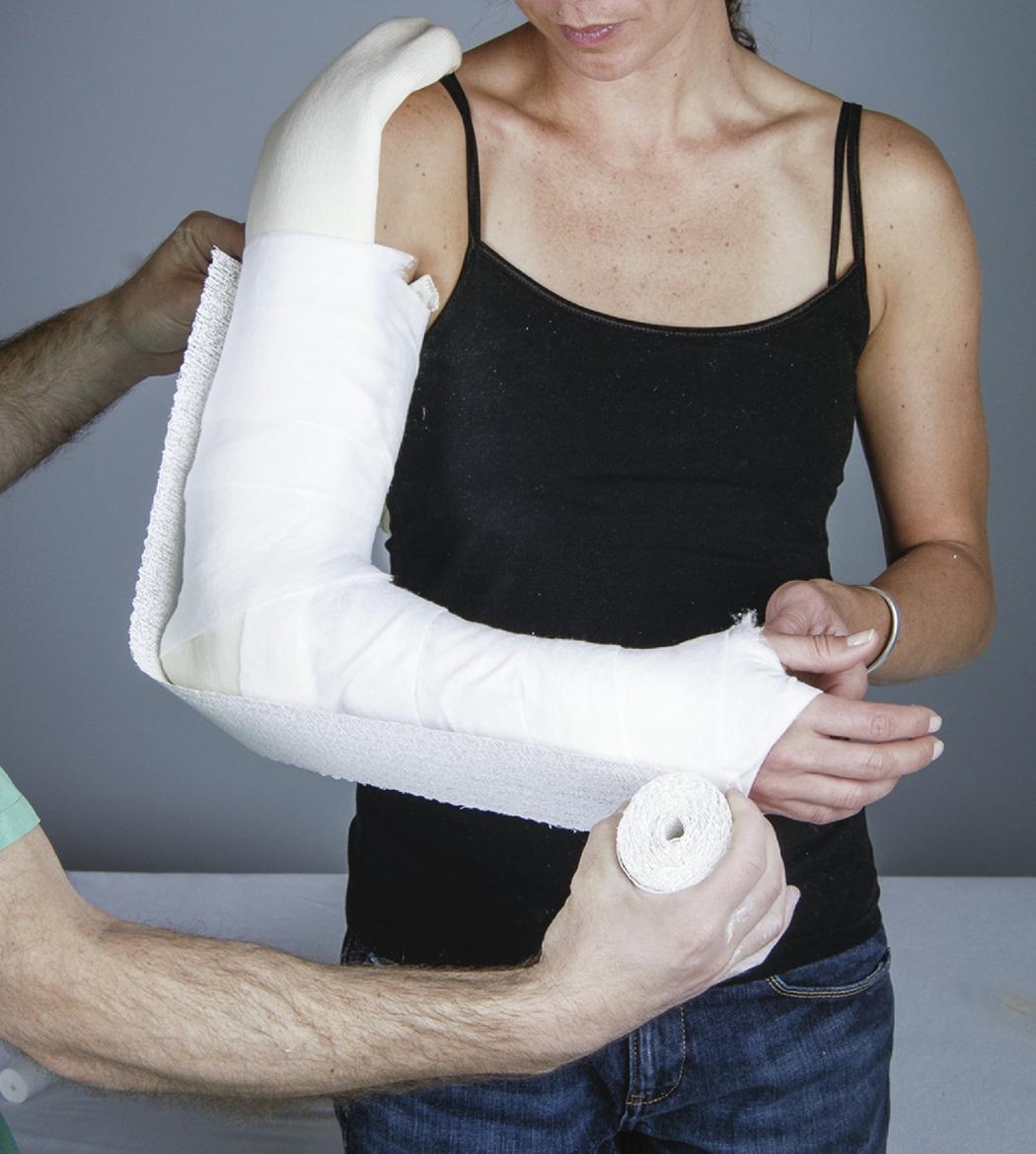
- Immobilization: Using casts, splints, or braces to keep the fractured bone in place.
- Pain Management: Taking prescribed pain relievers to manage discomfort and allow better rest.
- Physical Therapy: Engaging in recommended exercises to maintain strength and flexibility without stressing the fracture.
4. Avoid Smoking and Alcohol
Smoking and excessive alcohol consumption can hinder bone healing. Smoking reduces blood flow to the bone, while alcohol interferes with the formation of new bone tissue. Avoiding these can significantly enhance your healing process.
5. Consider Supplements
In some cases, supplements may be beneficial. Consult with your orthopedic doctor about:
- Calcium and Vitamin D supplements: If your diet lacks these nutrients.
- Collagen supplements: May support bone health.
- Omega-3 fatty acids: Found in fish oil, they can reduce inflammation and support healing.
6. Get Adequate Rest
Rest is essential for recovery. Make sure to get enough sleep and avoid activities that could strain the injured area. Elevate the fractured limb to reduce swelling and pain.
7. Stay Active Safely
While rest is crucial, light, controlled movements as advised by your healthcare provider can promote blood circulation and prevent stiffness. Always follow professional guidance to avoid re-injury.
8. Use Bone Stimulation Devices
For severe fractures, bone stimulation devices may be recommended. These devices use ultrasonic or electrical waves to stimulate bone growth and speed up healing. Always consult with your doctor to see if this option is suitable for you.
Conclusion
The healing period usually ranges from a few weeks to months ( 6 weeks to 6 months or longer). Healing a fracture faster involves a multifaceted approach combining nutrition, lifestyle changes, and adherence to medical advice. By following these tips, you can support your body’s natural healing process and get back to your normal activities as soon as possible. Always consult with healthcare professionals before making significant changes to your diet or activity level to ensure the best outcome for your specific situation.
If you still want to know more about ‘how to heal fractures quicker,’ then talk to your orthopedic doctor.
Take care of your body, and it will take care of you. Happy healing!
Osteoarthritis of the Knee Joint – Symptoms, Causes & Treatment
The knee joint is formed by the upper end of the shinbone (tibia), the lower end of the thighbone (femur), and the kneecap (patella). Smooth, slippery cartilage covers the ends of these three bones and cushions the knee joint when you move, straighten, or bend your knee. The synovial membrane lines the joint and releases fluid that lubricates the cartilage and reduces friction. This lubrication allows the bones to move smoothly and helps protect the joint during everyday activities.
Osteoarthritis of the knee
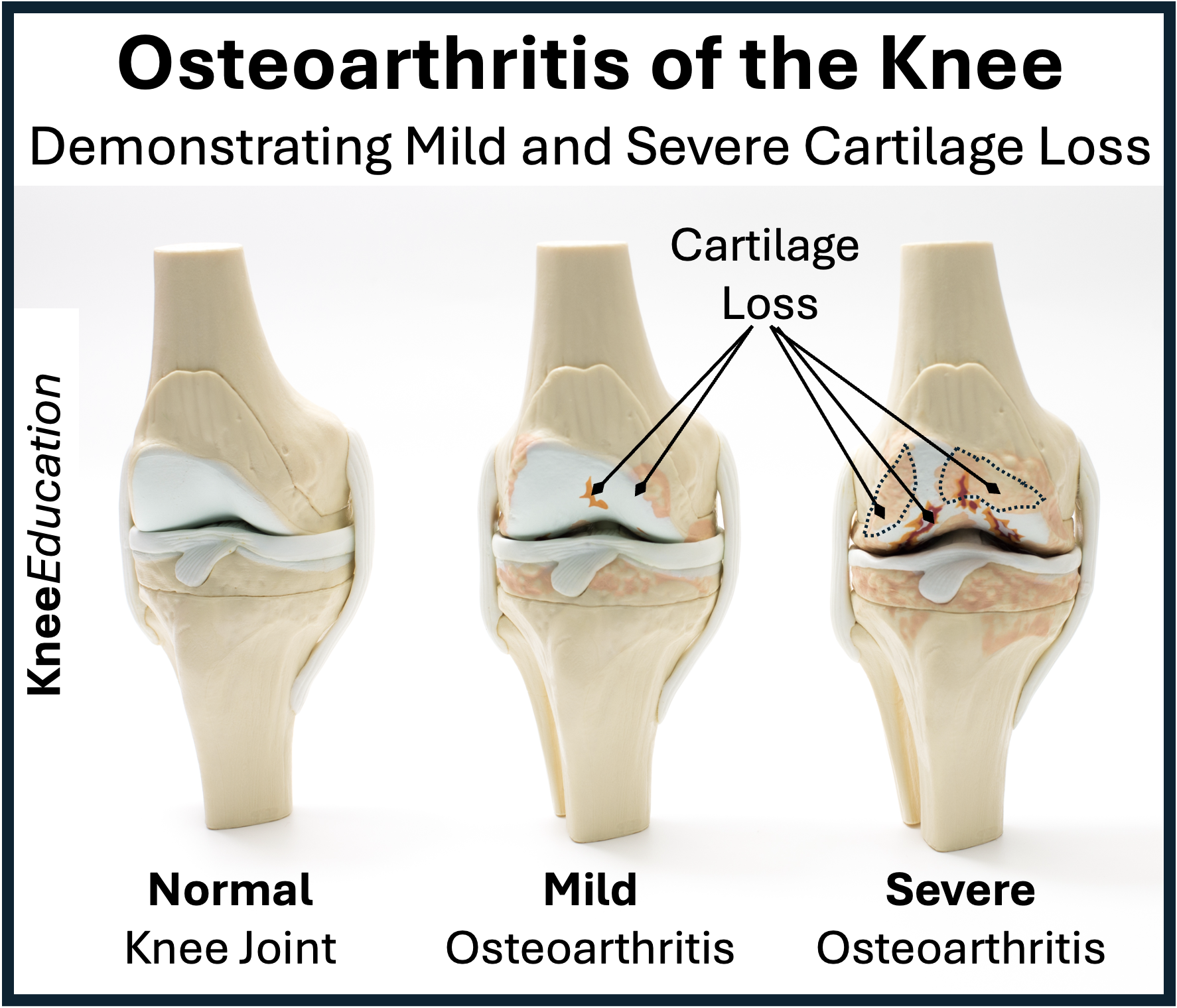
Between joints a natural cushioning cartilage is present. It acts just like a shock absorber. Over time this soft cartilage wears away resulting in a condition known as osteoarthritis. It is also known as wear-and-tear arthritis. When the cartilage wears away over time, the bones of the joint come closer and begin to rub against each other.
As the cartilage wears away and is lost, it becomes rough. When this happens, the space between the bones decreases resulting in bones rubbing against each other and the formation of painful bone spurs
Osteoarthritis usually develops slowly, and the pain it causes worsens over time.
The loss of cushioning results in friction as the bones rub and cause joint pain, swelling, stiffness, and diminished ability to move.
Most commonly osteoarthritis affects these joints: hands, knees, hips, and spine.
What are the signs and symptoms of Osteoarthritis of the knee?
Osteoarthritis is a progressively degenerative joint condition. The symptoms manifest slowly and worsen over time.
Joint pain is the most common symptom. It becomes severe with activity and movement.
Joint stiffness: easily observable after remaining inactive for some time or waking up from sleep.
Swelling: mostly seen around the joint due to soft tissue inflammation.
Popping or crackling sound or grating sensation while moving the knee joint
Restricted movement and loss of flexibility in the knee joint.
Difficulty in moving the joint through a full range of motion.
Tenderness: when you apply light pressure, you can feel it.
Who gets osteoarthritis of the knee joint?
This type of arthritis is common. Young people too can get it, but the risk most likely increases after age 45 and in older people. Compared to men women are more likely to get this condition.
What are the risk factors for osteoarthritis of the knee joint?
Age is the most common risk factor for osteoarthritis. There is some degree of risk for osteoarthritis for all with advancing age. However, excess body weight; family history due to hereditary predisposition; gender (being women), and repetitive stress injuries can increase the risk manifolds.
People who participate in long-distance running, tennis, soccer, and hockey face a higher risk of developing osteoarthritis. Rheumatoid arthritis, certain metabolic disorders, excess growth hormone, or iron overload can also increase the risk.
What should you do to manage osteoarthritis symptoms?
Although joint damage cannot currently be reversed, you can manage the symptoms. To minimize the effects of arthritis, stay active, maintain a healthy body weight, and perform physical exercises under the supervision of an experienced physiotherapist. These measures can help slow the progression of osteoarthritis while improving joint mobility and function and reducing pain.
How is arthritis diagnosed?
Your orthopedic doctor examines your joints for tenderness, swelling, redness, or warmth. The doctor also checks your joint stability and range of motion. In addition, the doctor checks for pain while you bear weight, previous injuries, and movement problems. The doctor may also check for a grating sensation when you move the joint.
After a physical examination, your orthopedic doctor may order X-rays and other imaging tests.
Treatment for Arthritis
Your doctor initially recommends non-surgical treatment based on the severity of your condition – mostly when it is mild to moderate. Your orthopedic doctor will recommend:
- Lifestyle modifications: weight reduction, involvement in low-impact activities such as swimming or cycling.
- Minimizing activities such as climbing stairs, and high-impact activities such as tennis, jogging, and other sports.
- Physical therapy to help improve flexibility and a range of motions
- Assistive devices such as supportive or unloader braces, use of a cane, or wearing plastic bandages.
- Over-the-counter medications or cortisone injections.
Surgical Treatment
Your doctor may recommend surgery if arthritis pain causes disability and nonsurgical treatments do not provide enough relief. In such cases, your orthopedic surgeon may recommend surgery when other treatment options fail to control your symptoms adequately. There are different surgical procedures and techniques based on the severity of your condition. It is better to consult your orthopedic doctor to know which is the best procedure in your case.
05 Common Causes of Joint Pain
Most common causes of joint pain
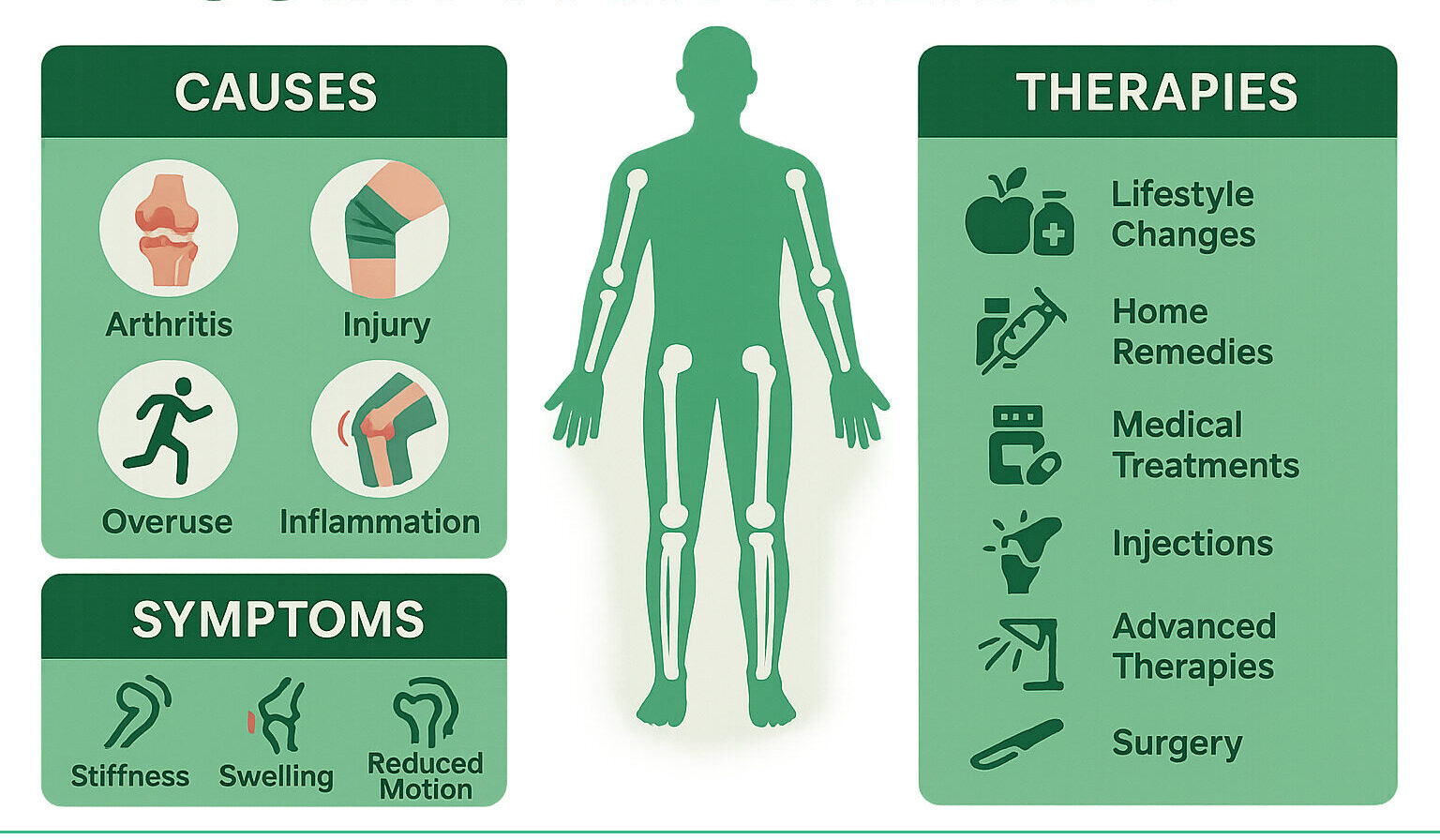
Joints help your skeletal bones to move. Some of the common joints include the shoulder, elbow, knee, and hip joint. Any discomfort, soreness, or pain in any of the joints refers to joint pain. The most common cause of joint pain is arthritis. Any illness, injury, or disease can also cause joint pain.
The most common causes of joint pain include
Arthritis
- A common condition in people with advancing age. It damages your joints and causes joint pain, inflammation, and stiffness. Advancing age naturally leads to wear and tear of joints. However, certain joint conditions and injuries can also cause arthritis. It commonly affects the hands & wrists, knees, and hip joints. There are more than 100 different types of arthritis, but osteoarthritis and rheumatoid arthritis are the most common ones.
Osteoarthritis: This is the most common type. It can lead to joint stiffness, pain, and inflammation. It affects people above 40 years of age and is common in women. Osteoarthritis is one of the most common causes of joint pain.
Rheumatoid Arthritis: It is an autoimmune condition. An inflammatory type of arthritis. In this condition, the body’s immune system mistakenly attacks the body’s healthy tissues in the joints causing pain and inflammation. Rheumatoid arthritis can cause permanent damage to joints.
Avascular necrosis
In this condition, bone tissue dies due to a cut-off in the blood supply. It is also known as osteonecrosis. The bone breaks into tiny pieces and collapses. The condition may take several months to years to develop. Mild to severe pain develops gradually.
Bursitis
Small cushion-like sacs filled with fluid called bursae cushion the muscles, tendons, and bones around the joints. The large joints such as the shoulder, elbow, knees, and hips have major bursae. Inflammation of these bursae is known as bursitis. Injuries, overuse, and infections can cause bursitis. It causes joint pain.
Adult Still Disease
Adult-onset Still’s disease or Wissler-Fanconi syndrome is a type of arthritis with no known cause (idiopathic). It affects both men and women equally. In the beginning, it causes pain in a few joints, but over time, the pain spreads to the entire body.
The disease onset with a high fever (102.2 degrees Fahrenheit) and a pinkish rash on the arms, legs, back, chest, and abdomen. The rash disappears once the fever drops.
The other symptoms may include fatigue, sore throat, headache, abdominal pain, and swollen lymph glands in the neck. A few weeks later, the muscles and joints in the wrists and knee joint begin to swell, pain, and become stiff.
Ankylosing spondylitis
Ankylosing spondylitis (axial spondyloarthritis) is a type of inflammatory arthritis that mostly affects the bones (vertebrae) of the spine. Over time, the vertebrae fuse making the spine less flexible and leading to a hunched posture. The symptoms may include back pain, and stiffness in the lower back and hip joint.
Bottom Line
Joint pain can be due to normal wear and tear or advancing age. However, it can also be due to certain health conditions such as osteoarthritis, rheumatoid arthritis, or an infection or injury. Therefore, if you experience persistent joint pain that doesn’t get better with rest and medication, then you should see a specialist orthopedic doctor. Your orthopedic doctor can comprehensively evaluate your condition based on the symptoms, physical examination, and X-rays. Once the underlying cause is determined, the doctor provides effective treatment.
Meet Dr. Praharsha Mulpur, if you experience persistent joint pain.
Hip Labral Tear Symptoms, Causes & Treatment
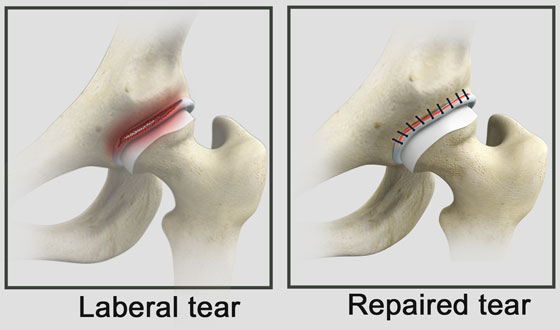
The hip joint is a ball-and-socket joint. The femoral head (the top of the femur bone) is the ball; and, the part of the pelvis bone – acetabulum forms the socket. A ring of cartilage on the socket is the labrum. It helps keep the bones of the hip joint in place as you move. An injury to this labrum is known as the labral tear of the hip. Labrum cushions the hip joint. It also acts like a rubber seal to hold the thighbone securely in the hip socket and assist in frictionless motion by keeping the joint fluid inside.
Labral tears are common in people who play golf, football, soccer, and hockey. It can also occur due to structural problems in the hip joint.
Types of Labral Hip Tears
A tear can occur anywhere along the labrum. Depending on the part of the affected joint, hip labral tears are classified as anterior or posterior tears.
Anterior Hip Labral Tears: This type of tear occurs on the front of the hip joint
Posterior Hip Labral Tears: This type of tear occurs on the back of the hip joint.
What are the symptoms of hip labral tear?
Irrespective of the cause and type, the symptoms associated with hip labral tears look similar.
However, you may experience symptoms differently depending on the location of the tear — whether it affects the front or back of the hip labrum. In addition, the symptoms can vary in severity and may affect your daily activities.
Symptoms include:
- Restricted hip joint motion
- Additionally, stiffness in the hip joint
- Furthermore, pain in the buttocks, groin, or hip joint when you walk, run, sit idle, or sleep
Therefore, persistent symptoms may make normal movement and everyday activities more difficult.
- A locking or clicking sensation in the hip joint when you move
- Some hip labral tears go unnoticed for years as they do not cause any symptoms.
Causes of hip labral tear
- Regular wear and tear of the hip joint
- Overuse of hip joint, repetitive hip motions
- Traumatic hip injuries
- Indulgence in some sports and occupations
- Abnormal hip bone shape, hip dysplasia, and other deformities of the hip joint
Anterior hip labral tears are associated with sports such as hockey, football, golf, and ballet. Whereas traumatic injuries, high-impact sports injuries, accidents, or falls can lead to posterior hip labral tears.
Diagnosis of Hip Labral tears
An orthopedic doctor physically examines the patient to assess whether the patient has inflammation, swelling, and pain in the hip joint with movements.
The doctor may order an X-ray to detect abnormalities in the alignment and shape of the hip joint and also to see the signs of arthritis. To have a clearer view of the tissue surrounding the hip joint including the hip labrum, the doctor may order an MRI scan as well.
Treatment of the Hip Labral Tears
Minor hip labral tears not causing severe pain or restricting movement, can be managed without requiring surgical repair. In some cases, an orthopedic doctor provides nonsurgical treatments first, but when the labral tear and pain are severe, surgical repair remains the best option.
Non-surgical treatments include over-the-counter medications to manage pain, and inflammation, rest, activity modification, physiotherapy, and injection use.
Surgery
When nonsurgical options do not provide any relief from pain, your orthopedic doctor may recommend surgery. The common procedure to repair labral tears is orthoscopic surgery. The procedure is minimally invasive with a faster recovery period.
If you have any concerns with your hip joint with severe pain and walking difficulty, meet Dr. Praharsha Mulpur.
