Hip replacement surgery recovery: After undergoing hip replacement surgery, individuals often experience a transformative journey toward improved mobility and reduced pain. This surgical procedure is commonly recommended for those suffering from severe hip joint damage due to conditions like osteoarthritis or injury. While the surgery itself marks a significant milestone, understanding what to expect in the days, weeks, and months following the procedure is crucial for a smooth recovery.
Immediate Postoperative Period (Days 1-3)
The first few days after hip replacement surgery are spent in the hospital, where medical professionals closely monitor your condition. Pain management is a priority during this period, and medications are prescribed to control discomfort. Physical therapy begins early to promote joint movement and prevent complications such as blood clots.
Returning Home (Days 4-14)
Upon discharge, patients typically return home equipped with guidelines for postoperative care. Physical therapy becomes a crucial aspect of recovery, emphasizing exercises to strengthen the hip muscles and improve flexibility.While you may initially need walking aids such as crutches or walkers, your physical therapist will gradually reduce your reliance on these aids as your strength and mobility improve.
Mid-Term Recovery (Weeks 2-6)
During the second to sixth weeks post-surgery, most patients witness a noticeable improvement in mobility. Physical therapy sessions continue, focusing on strengthening exercises, gait training, and activities to enhance overall endurance. While pain may persist, it generally diminishes over time.
Patients gradually transition from using walking aids to walking unassisted. However, it’s crucial to strike a balance between pushing towards improvement and avoiding overexertion.
Long-Term Recovery (Months 2-6)
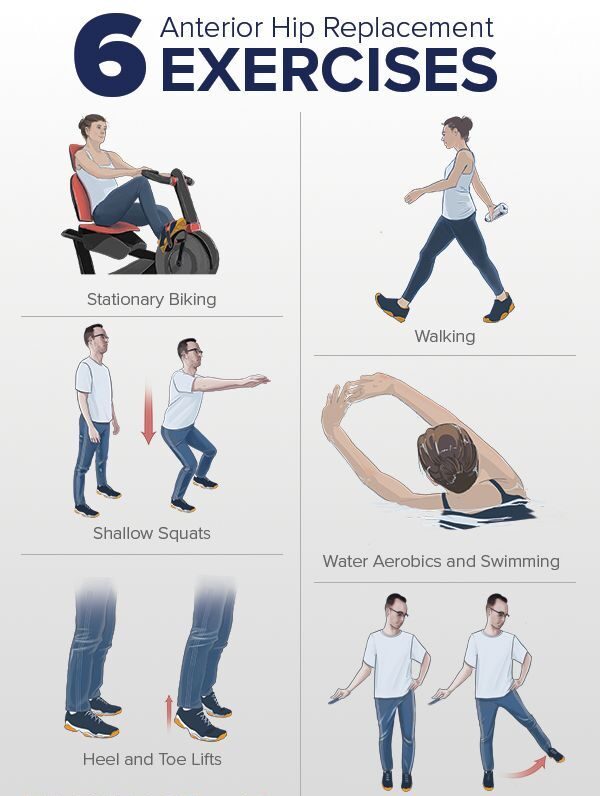
After hip replacement surgery, you can gradually return to your normal activities over the following months.. Physical therapy may continue but with a decreasing frequency. Individuals often experience enhanced joint function, reduced pain, and improved quality of life. Engaging in low-impact exercises, such as swimming or stationary cycling, becomes more feasible and beneficial for maintaining joint health.
It’s essential to stay vigilant about any persistent pain, swelling, or unusual sensations.
Hip Replacement Surgery Recovery – Lifestyle Adjustments (Months 6-12 and beyond)
Around the six-month mark, many individuals find themselves resuming their usual activities, albeit with some modifications. Although hip replacements can last for several decades, you should make certain lifestyle adjustments to help protect the prosthetic joint. Maintain a healthy weight, stay physically active, and avoid activities that put excessive stress on your hip joint. These habits can help protect your hip and support long-term joint health.
Long-term management may involve periodic medical check-ups and imaging studies to monitor the condition of the artificial joint.
Bottom Line
In conclusion, hip replacement surgery recovery follows a gradual process that can bring steady improvements in mobility and quality of life. Although you may experience challenges and discomfort along the way, hip replacement surgery can offer substantial long-term benefits.Commitment to postoperative care, adherence to rehabilitation protocols, and open communication with healthcare providers contribute significantly to a successful recovery after hip replacement surgery.
